The Skalds: Preserving Norse Myths Through Oral Tradition
The Skalds: Preserving Norse Myths Through Oral Tradition
In the annals of history, few cultures have captured the imagination quite like the Norse. Their sagas, gods, and heroes are woven into the very fabric of Western mythology. Yet, behind the tales of Odin, Thor, and the fearsome giants lay the skalds—poets who served as the custodians of these myths and stories, preserving them through an intricate oral tradition.
The Role of the Skalds
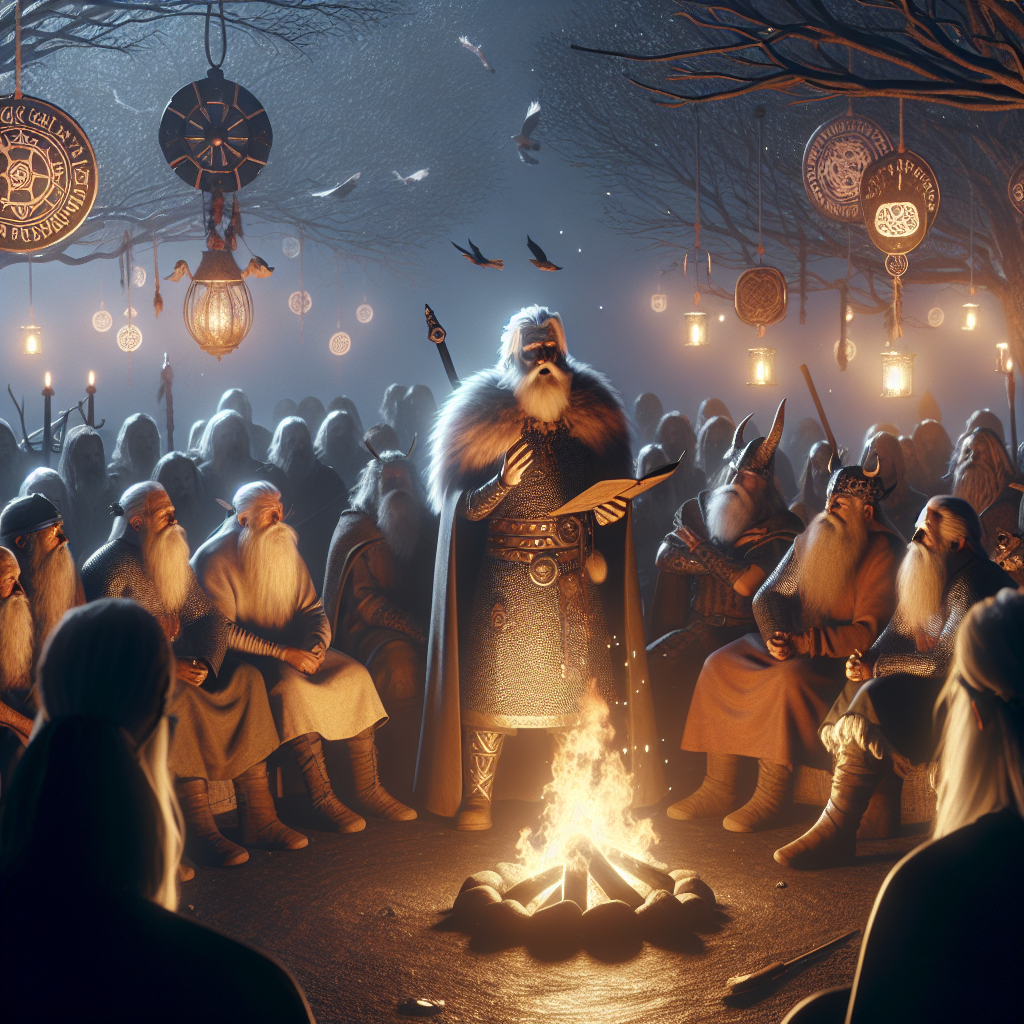
The skalds were not merely storytellers; they were sophisticated poets, educators, and historians. Their primary role was to compose and recite poetry that chronicled historical events and celebrated the victories of kings and warriors. Unlike the skaldic verse, which was characterized by its complex structure and intricate wordplay, the poetry of the skalds also served as a media to transmit cultural values and beliefs. The skalds were often associated with the courts of kings and chieftains, where they recited their works during feasts and gatherings—transforming mere entertainment into acts of political significance and cultural identity.
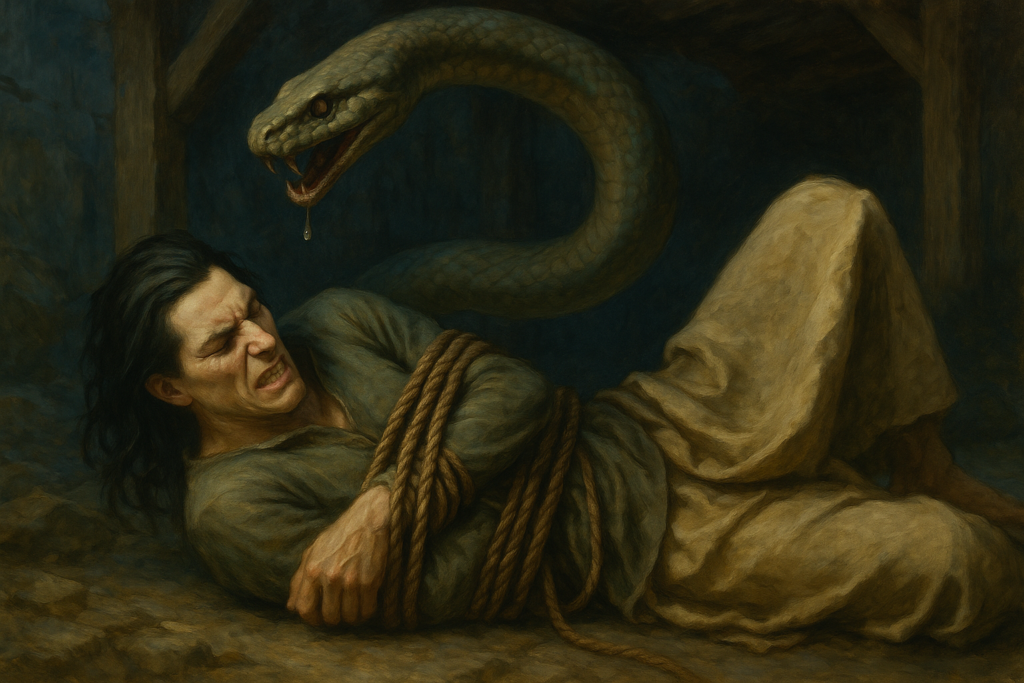
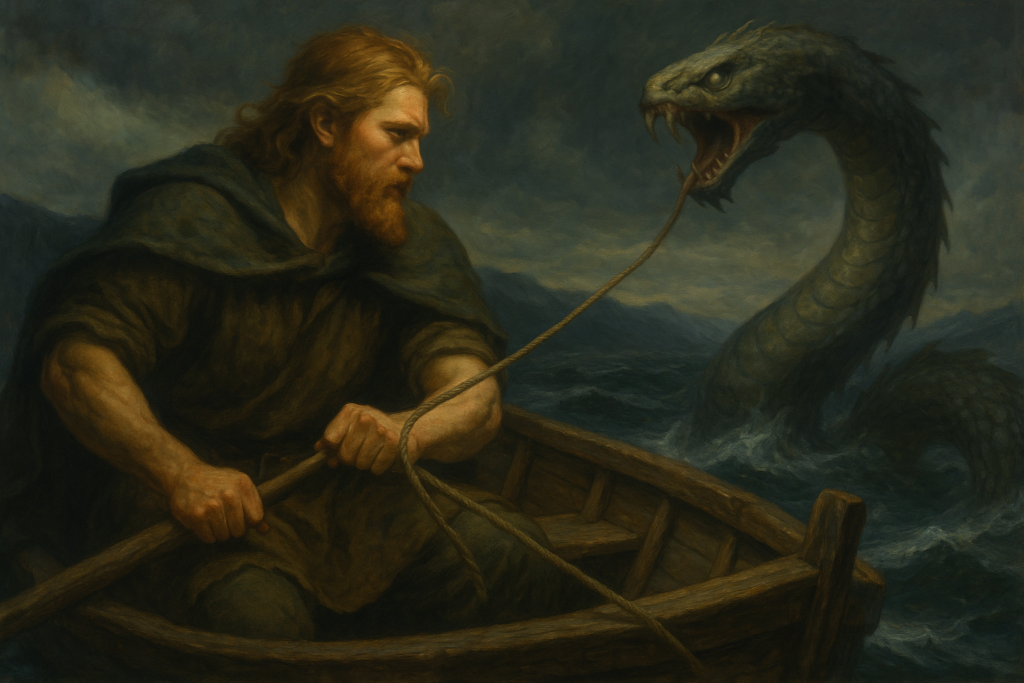
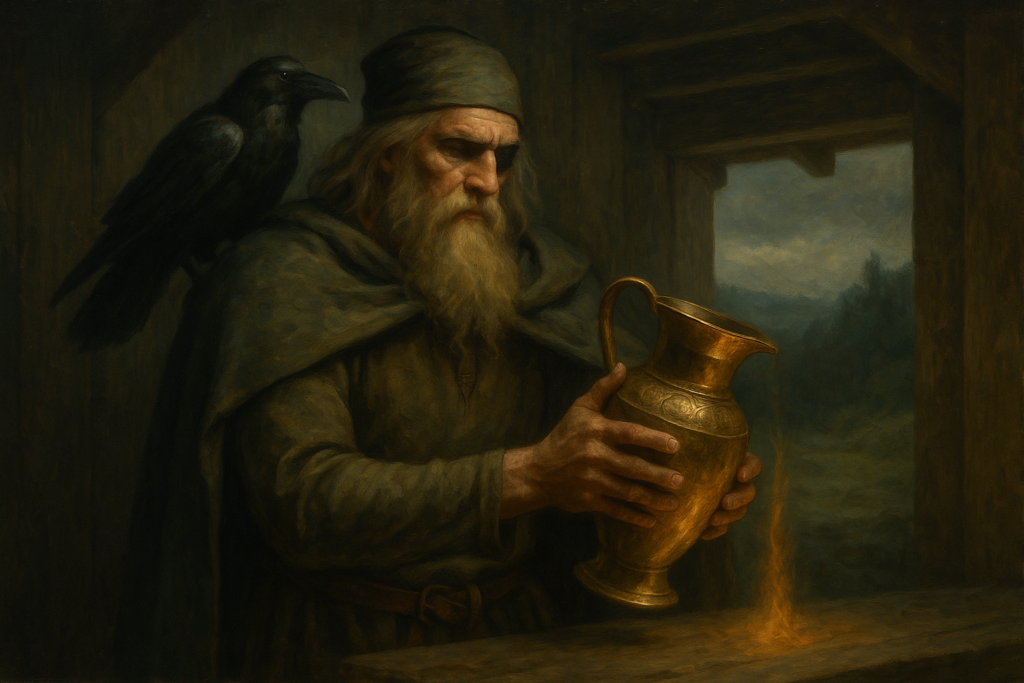
The themes of their poetry often drew on the rich tapestry of Norse mythology. These poems revealed both the gods’ grandeur—depicting their heroism and wisdom—and their frailties, thus delivering a more relatable narrative. By illustrating the vulnerability of these deities, the skalds provided their audience not only with entertainment but also with valuable moral lessons embodied in myth.
Language and Meter: The Art of Skaldic Poetry
A distinct feature of skaldic poetry was its complex structure—usually composed in a meter known as “fornyrðislag” (a traditional Old Norse meter that emphasizes alliteration and syllable count). Skalds employed techniques like “kenningar” (a type of metaphorical expression that uses elaborate phrases to describe something more simply) and “heiti” (a poetic synonym) to elevate their verses. For example, instead of just saying “the sea,” a skald might refer to it as “the whale’s road.” These creative language choices not only demonstrated the poet’s artistry but also served to engage the audience’s imagination, drawing them deeper into the narrative.
This intricate linguistic tapestry was a critical means of accessibility to the larger cultural mythological landscape. With every verse, the skalds invited their listeners into a world where giants battled the gods and epic heroes rose and fell, sowing the seeds of an oral tradition that would echo through generations.
Oral Tradition: A Living Legacy
The oral tradition was paramount in Norse culture. Before the advent of writing, stories were passed down through the generations, ensuring that beliefs, history, and cultural values remained intact. The skalds played a critical role in this process, transforming each narrative session into a powerful communal experience that fostered a collective identity. When skalds recited their works, each performance was unique, responding to the mood of the audience or current events, thus keeping the tradition alive and fluid.
With each retelling, tales morphed, reflecting the needs and perspectives of the audience. This adaptability allowed Norse mythology to remain vibrantly relevant, embedding values of bravery, honor, and loyalty in every narrative twist and turn. In a way, the skalds acted as cultural custodians, navigating the delicate balance between preservation and creativity.
The Historical Impact of Skaldic Poetry
Though many of the skalds’ stories would eventually be transcribed in documents like the “Poetic Edda” and the “Prose Edda” during the Middle Ages, the essence of skaldic poetry remained firmly rooted in its oral roots. These texts, while invaluable for their historical content, were often compiled centuries after the original stories were likely told, meaning the scribes’ interpretations added layers of meaning.
Moreover, the skalds inadvertently influenced the literature of the region. Their style can be seen echoed in other literary works, culminating in a blending of myths and sagas that would transcend their origins. As Christianity spread into Scandinavia, the skalds adapted, ensuring that the ancient stories remained relevant even in a fundamentally changing cultural landscape.
Modern Recognition and Revival
Today, the legacy of the skalds is felt not only in literature but also in popular culture. The allure of Norse mythology has surged in contemporary times through various media, from movies like “Thor” to bestselling book series such as Neil Gaiman’s “Norse Mythology.” While modern portrayals may simplify or remix the original tales, they often pay homage to the complexity and richness of skaldic poetry.
Additionally, in recent years, there has been a renewed interest in the performance of skaldic poetry. Workshops, festivals, and gatherings dedicated to this oral tradition allow new generations to experience the art meaningfully and dynamically. Enthusiasts often engage in creating their own skaldic verses, blending ancient techniques with modern experiences, thereby encapsulating the spirit of the skalds.
Conclusion
The skalds represent a critical link between the ancient past and contemporary culture, standing as pillars of Norse tradition and heritage. Through their powerful words, they preserved the intricate narratives of gods and heroes and cultivated a profound sense of community among their listeners.
As we continue to explore and reinterpret these stories, we not only honor the legacy of the skalds but also acknowledge the enduring human affinity for storytelling as a means of making sense of the world. In this weave of myth and reality, one can find a shared narrative that transcends time—a legacy that reminds us of the ordinary and the extraordinary, the mortal and the divine. The skalds achieved much more than poetic mastery; they built an immortal bridge between the echoes of the past and the heartbeat of the present, forever enriching our understanding of ourselves and our shared humanity.