The Mystique of Norse Runes: More Than Just Writing
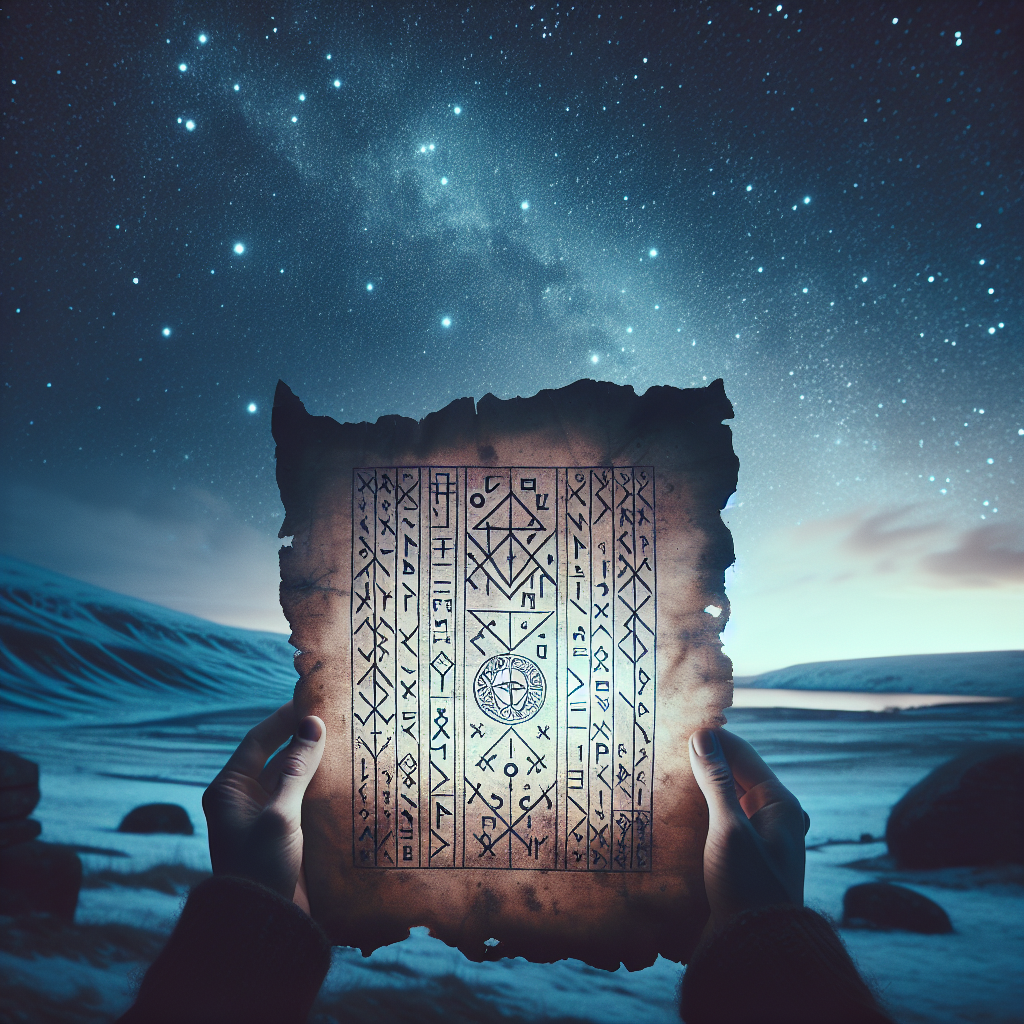
In the annals of human civilization, few systems of writing carry as much intrigue and cultural significance as Norse runes. Emerging from the mists of ancient Nordic societies, these symbols go far beyond mere letters; they represent a deep connection to history, spirituality, and the very essence of the culture from which they arose. Norse runes—the letters of the Elder Futhark, the runic alphabet used in various Germanic languages—embody a mystique that has captivated scholars, occultists, and enthusiasts alike.
A Glimpse into History
The origin of runes can be traced back to the late 1st century CE. It is believed that they were influenced by the Etruscan and Latin alphabets as transcribed by Germanic tribes. The earliest inscriptions are found on artifacts such as stones, weapons, and jewelry, serving both functional and ceremonial purposes. Runes were in use well into the Middle Ages, with transitional systems like the Younger Futhark developing later.
What makes Norse runes particularly compelling is their dual ability to serve as both a writing system and a symbolic medium. Unlike the Roman alphabet, which primarily focuses on phonetic representation, runes are imbued with rich cultural meanings. They served not just to communicate, but also to invoke thoughts and emotions tied to the Norse worldview.
Symbolism and Meaning
Each rune in the runic alphabet has a name and meaning—often connected to natural elements, animals, or spiritual concepts. They were believed to encapsulate the essence of whatever they represented, highlighting a fundamental worldview prevalent in ancient Norse culture, where interconnectedness and reverence for nature played a central role.
For instance, the rune Fehu (ᚠ), often associated with wealth and prosperity, also symbolizes nourishment and abundance. Similarly, Algiz (ᛉ) represents protection and has a connection to the divine. The naming of these runes reflects a philosophy in which every aspect of life, from material wealth to emotional well-being, is interwoven with spiritual significance.
This intrinsic connection between language and mysticism is deeply rooted in the Norse belief system, wherein every rune could catalyze change and impact an individual’s fate. Runes were often employed in divination practices, with practitioners casting stones or pieces of wood marked with runes to seek guidance on personal matters or communal decisions.
Runes in Ritual and Magic
The mystical properties attributed to runes extend into the realm of magic and ritualistic practices. Ancient Norse peoples believed that runes were not merely passive symbols but active forces with the ability to shape reality. This belief culminated in practices often referred to as “rune magic.”
In sagas and historical texts, we see numerous accounts of runes being utilized for specific purposes: healing, protection, and even cursing an enemy. For instance, a warrior might carve a rune for Tiwaz (ᛏ), the rune of victory, before entering battle. Such practices highlight a worldview in which intent and artifice are inextricably linked—a notion that resonates across various cultures but holds a distinctive place in Norse mythology.
The use of runes for divination, known as “rune casting,” has also captured the modern imagination. Many contemporary practitioners partake in this ancient practice, drawing on the runes as tools for guidance and insight. The act of casting runes is viewed not merely as a means of foreseeing the future but as a dialogue with the universe, a way to tap into a collective unconscious threaded with ancestral wisdom.
The Aesthetic Appeal
Beyond their cultural significance, runes also hold an aesthetic allure. The stark, angular forms of the characters are inherently striking, evoking a sense of ancient mystery. Artists and designers have incorporated runic symbols into various forms of art ranging from jewelry to tattoos, reflecting their contemporary resonance.
The allure of runes is further amplified in popular culture, ranging from fantasy literature and films to role-playing games where Norse mythology plays a pivotal role. Works by authors like J.R.R. Tolkien and the creators of “Game of Thrones” have helped popularize the imagery and significance of runes, albeit sometimes in sensationalized forms. Yet, this modern engagement reflects a broader human fascination with ancient wisdom, mysticism, and lost civilizations.
The Modern Reclamation of Runes
In recent decades, there has been a resurgence of interest in Norse runes, particularly in the context of neo-pagan movements. These groups often strive to resurrect ancient practices, adapt them for modern spirituality, or even forge a new path informed by historical traditions. Uplifting elements of the pre-Christian past, runes have become a point of identity and cultural pride for many seeking to connect with their ancestral roots.
However, this reclamation is not without its complications. The commercialization of runes can sometimes lead to the trivialization of cultural significance and mishandling of sacred symbols. A respectful and informed approach is essential, as the subtlety and depth of runic lore have been in danger of being overshadowed by their aesthetic appeal. Scholars emphasize the importance of understanding the historical and cultural contexts before appropriating or using runes, ensuring that the original meanings are honored.
Conclusion
The mystique of Norse runes transcends the boundaries of mere writing; they are symbols of a rich and complex cultural heritage. From their historical significance to their role in personal and collective spirituality, runes encapsulate a worldview that sees language as a living force capable of shaping reality.
In a world increasingly dominated by digital communication and rapid change, the enduring allure of runes offers a poignant reminder of our human connection to history, nature, and the metaphysical. As individuals and cultures continue to explore these ancient symbols, the runes serve as a doorway to understanding not just the past but the intricacies of human existence itself. Whether as vessels for communication, tools for magic, or as artistic expressions, Norse runes maintain their mystical edge, calling out to those willing to engage with their profound legacy.