Understanding Lokasenna: Loki’s Insults and Social Commentary
Introduction
The Lokasenna is one of the most intriguing poems from the Icelandic Poetic Edda, a collection of Old Norse poetry that provides invaluable insights into Norse mythology and culture. This poem, which translates to “Loki’s Flyting” or “Loki’s Insults,” presents a unique blend of wit, social commentary, and mythological narrative, primarily featuring Loki, the trickster god, and a host of other divine beings. In understanding Lokasenna, we can glean insights not only into the character of Loki but also into the social and moral dynamics of Viking Age society.
The Structure of Lokasenna
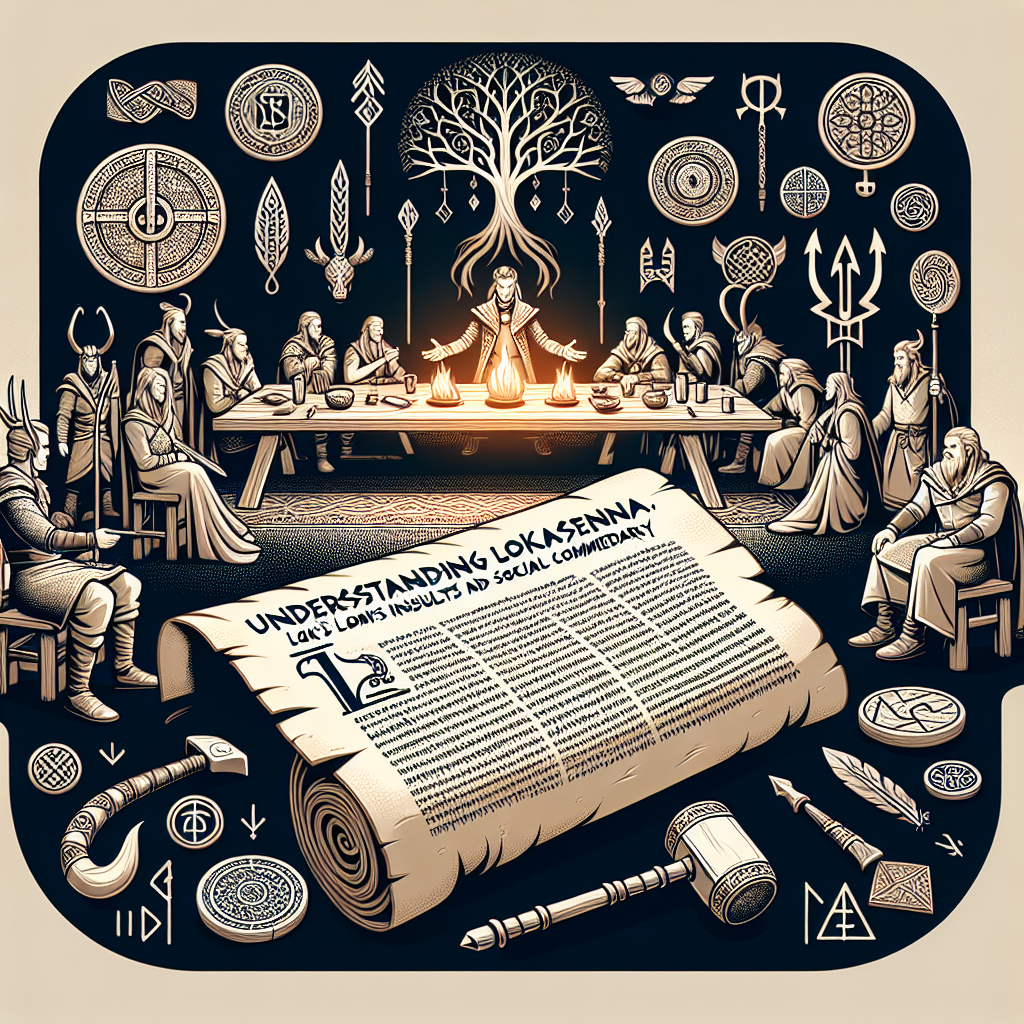
The poem takes place as a feast in the hall of Ægir, a sea giant who invites the gods to a banquet. As the feast progresses, Loki crashes the gathering, uninvited, and proceeds to insult each of the attending gods and goddesses. The structure of the poem follows a back-and-forth pattern, typical of flyting or poetic contests where rivals exchange taunts in a public setting. This form allows Loki to exert his influence and reveal deeper truths about the nature of the gods and society.
Social Context
In the Viking Age, public gatherings were significant. The way people interacted—whether through feasting, storytelling, or even insult—was a reflection of their values and social order. The Lokasenna brings this notion to the forefront. By insulting the gods, Loki challenges not just individual character traits but also the very hierarchies and social norms upheld by these deities.
The Role of Loki
Loki serves as a multifaceted character—part trickster, part outcast, part insightful critic. His role in Lokasenna is particularly important as it reflects the tension between societal norms and the human condition. While the gods represent order, virtue, and social stability, Loki epitomizes chaos, individuality, and subversion.
The Trickster Archetype
Loki embodies the archetype of the trickster, a figure found in many cultures whose disruptive actions often lead to revelations or societal questioning. His function in Lokasenna goes beyond mere insults; he acts as a catalyst for exposing truths about the morality, flaws, and vulnerabilities of the gods.
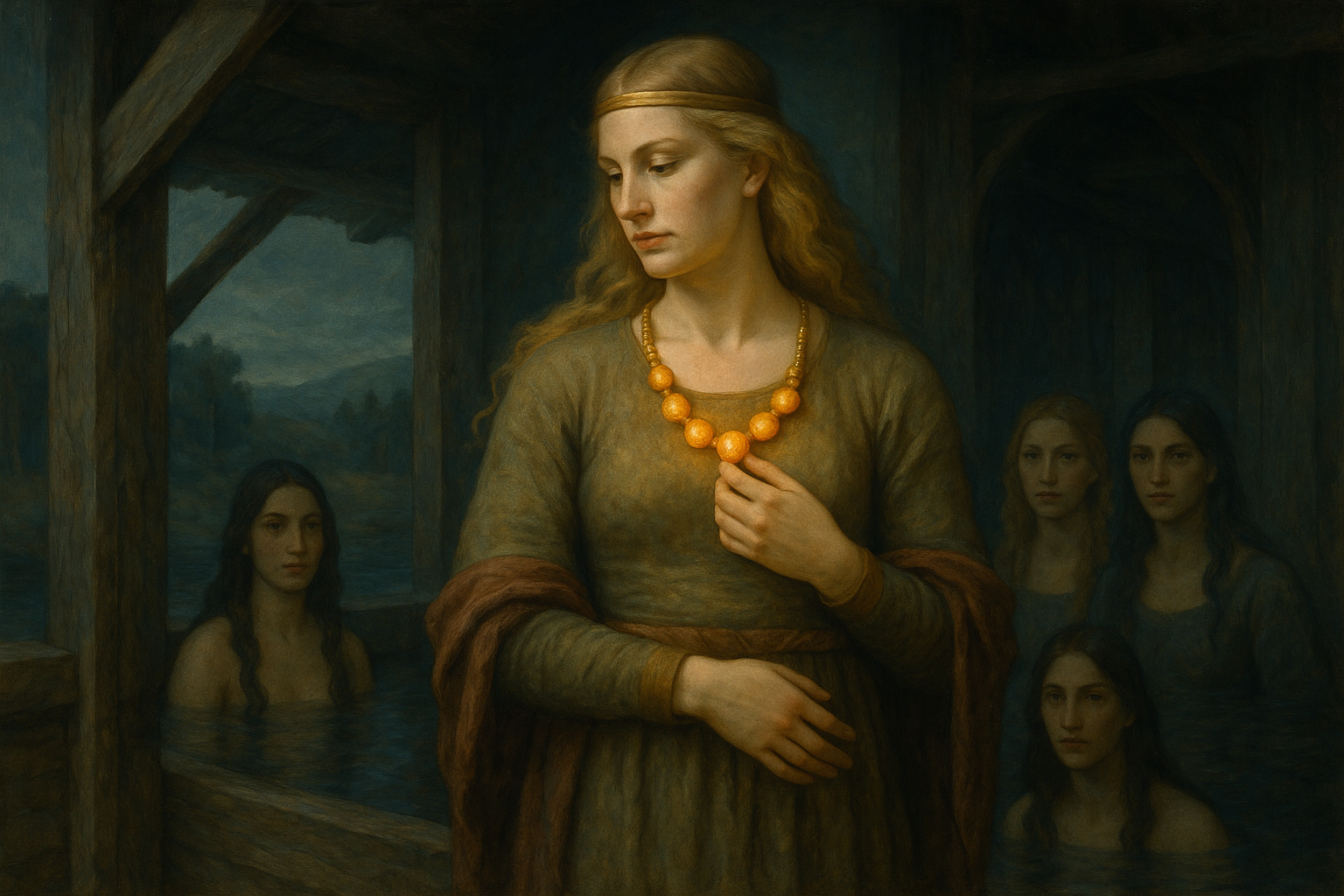
For instance, as he mocks Freyja for her promiscuity and Njord for his failures as a father, he raises concerns about their moral integrity. Through these barbs, Loki forces the gods—and, by extension, the audience—to confront uncomfortable truths about their behaviors and reputations.
The Divine Hierarchy
One of the central themes in Lokasenna is the exploration of divine hierarchy. The poem paints a picture of a pantheon rife with flaws and insecurities. Rather than being infallible beings, the gods display human-like traits—jealousy, pride, and dishonor. Loki’s insults serve to break down their exalted status, asking readers to ponder the imperfections present in all forms of authority.
Analyzing Specific Insults
Take, for example, Loki’s taunts directed at Odin about his sacrifices and loss of wisdom. By questioning Odin’s decisions and sacrifices, Loki illustrates that even the Allfather is fallible and subject to the consequences of his actions. Similarly, when Loki ridicules Thor’s impulsiveness, he sheds light on the raw power dynamics that govern their behavior.
Loki’s insults prompt the audience to reevaluate their perception of these deities, positioning the gods not as perfect paragons but as beings enmeshed in the same moral dilemmas facing humans.
The Function of Insults
The function of Loki’s insults extends beyond mere provocation. The insults serve several purposes:
-
Social Commentary: Loki holds up a mirror to the gods, prompting audiences to reflect on their own societal values. His insults, while often humorous, delve into significant societal issues. They challenge the audience to reassess their moral compass in light of the gods’ imperfections.
-
Conflict Resolution: The exchanges of words—albeit harsh—often function as a form of resolution. By airing grievances publicly, the gods are forced to confront their flaws. This can be likened to communal discourse where problems must be addressed openly to reach shared understandings.
-
Exploration of Identity: Loki’s character challenges the rigidity of social categories. As a trickster, he exists in a liminal space that transcends the god-human divide, prompting explorations of identity and societal roles. His fluidity reflects the uncertainties in social structures, where strict definitions often come apart.
The Poem’s Conclusion
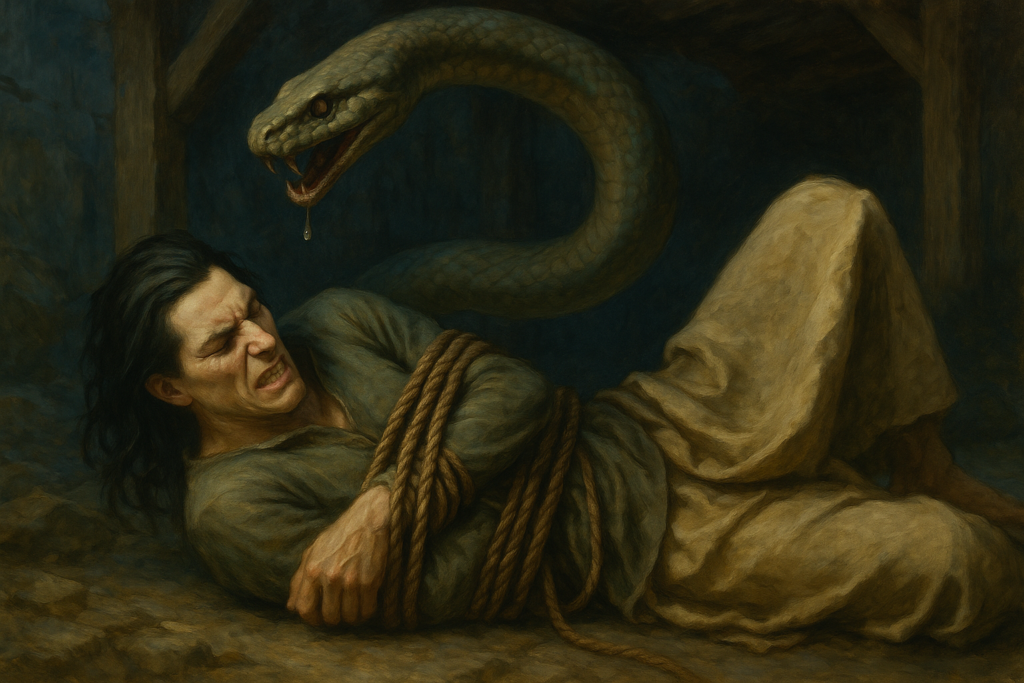
The climax of Lokasenna culminates in Loki being shunned and bound as a punishment for his insufferable nature. This resolution—his downfall—invites a critical reflection on the cost of outspokenness and the rebellion against established order.
Thematic Interpretation
In the narrative arc, one can see a representation of a fundamental aspect of Norse culture: the inevitable conflict between order and chaos. Loki’s cleverness and audacity bring social flaws to light, yet ultimately his fate serves as a warning against crossing societal boundaries—a dichotomy that resonates within many cultures, both historical and contemporary.
Conclusion
The Lokasenna offers profound social commentary through its skilled use of wit and insult. As Loki navigates the tensions between the divine and the human, he opens a dialogue on vulnerability, morality, and the consequences of social dynamics. The poem stands as a rich historical artifact that not only entertains but also incites critical thought about the nature of authority, virtue, and identity in society. Through Loki’s lens, we observe the imperfections of the gods and the inherent flaws in human behavior, illuminating universal truths that transcend time.