The Eternal Struggle: Order vs. Chaos in Norse Myths

The rich tapestry of Norse mythology offers a glimpse into the human psyche, where themes of order and chaos perpetually clash. Rooted in the ancient Scandinavian worldview, these myths are not mere tales of gods, monsters, and heroes; they embody the fundamental struggle that underscores human existence. This article explores how the duality of order and chaos shapes the Norse mythological narrative and reveals broader philosophical insights relevant to our understanding of life today.
The Cosmos of Norse Mythology
Norse cosmology is structured around nine realms interconnected by the great tree Yggdrasil, the World Tree, which symbolizes the axis mundi—the connection between the heavens, earth, and the underworld. The realms of Asgard, where the Aesir gods dwell, represent order and structure, while realms like Jotunheim, inhabited by giants known as Jotunn, embody chaos and unpredictability.
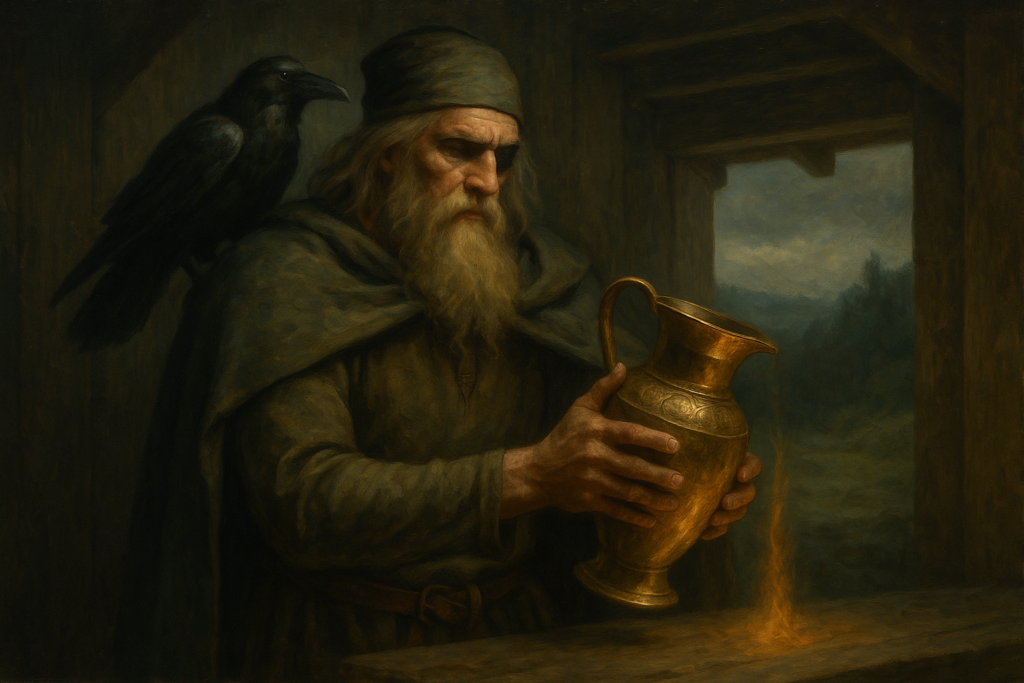
The Aesir, particularly Odin, Thor, and Frigg, serve as archetypes of order. They establish laws, cultivate civilization, and maintain harmony within the cosmos. In contrast, the Jotunn, ancient beings akin to the primal chaos, challenge the very fabric of the worlds, representing instability and destruction. This inherent conflict between the Aesir and Jotunn serves as a microcosm of the broader theme of order versus chaos.
The Role of Runes
Runes, the mystical alphabet of the Norse peoples, also reflect this struggle. Each rune holds symbolic meaning, often embodying concepts tied to both order and chaos. For example, the rune “Fehu” represents wealth and prosperity, a marker of societal stability, while “Algiz” symbolizes protection against chaos and danger. The runes were not merely tools for writing; they were thought to hold magical powers that could influence life’s order and confront chaotic forces.
Ragnarok: The Ultimate Cataclysm
Central to Norse mythology is the concept of Ragnarok, the prophesied apocalypse that encapsulates the eternal struggle between order and chaos. During this cataclysmic event, the Aesir face a series of destructive battles against the giants and other chaotic entities. The world is engulfed in fire and water, leading to the death of several key figures, including Odin and Thor, which symbolizes the collapse of order.
Ragnarok is also a rebirth—a cyclical reinvention of existence. After chaos consumes the world, a new order arises. This cyclical nature of creation and destruction highlights the philosophical understanding that chaos is not just an adversary to order but an inherent part of life. Without chaos, order would be stagnant, and without order, chaos would spiral into oblivion. In this way, Ragnarok serves as both a conclusion and a beginning, portraying the duality of existence.
The Complexities of Individual Heroes
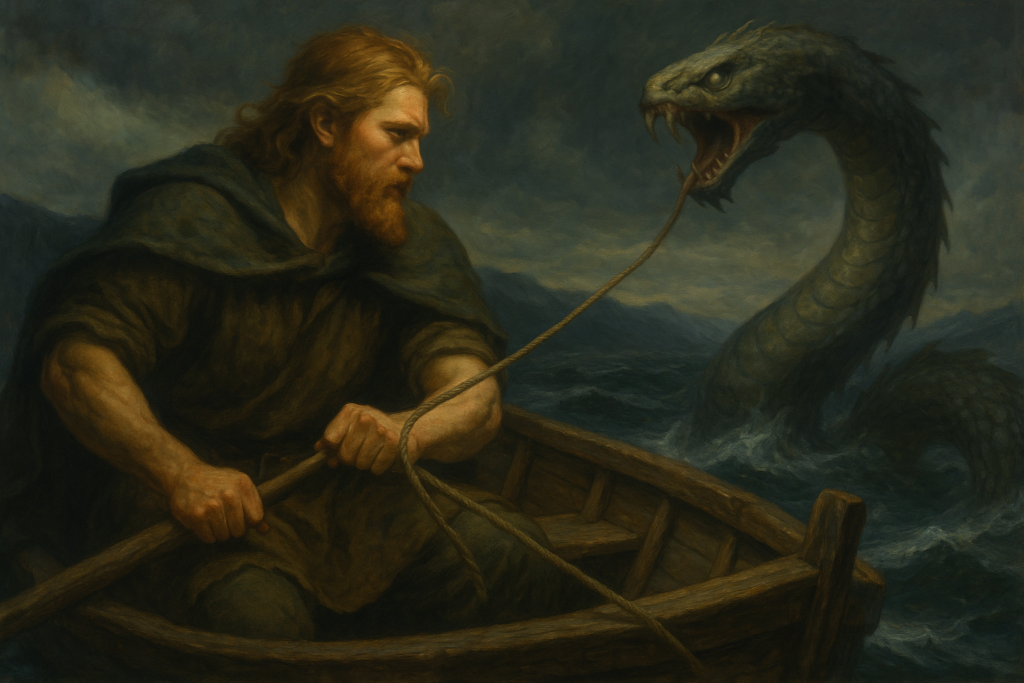
The heroes of Norse mythology often exist in the tension between order and chaos. Take, for instance, the god Thor, revered for his strength and valor in battle. He embodies order through his roles as a protector of Asgard and the human realm. His battles against the giants serve not merely to vanquish foes, but to restore balance in the universe. Yet, his reliance on brute strength sometimes leads to chaotic incidents, demonstrating that even the embodiments of order can be entangled in disorder.
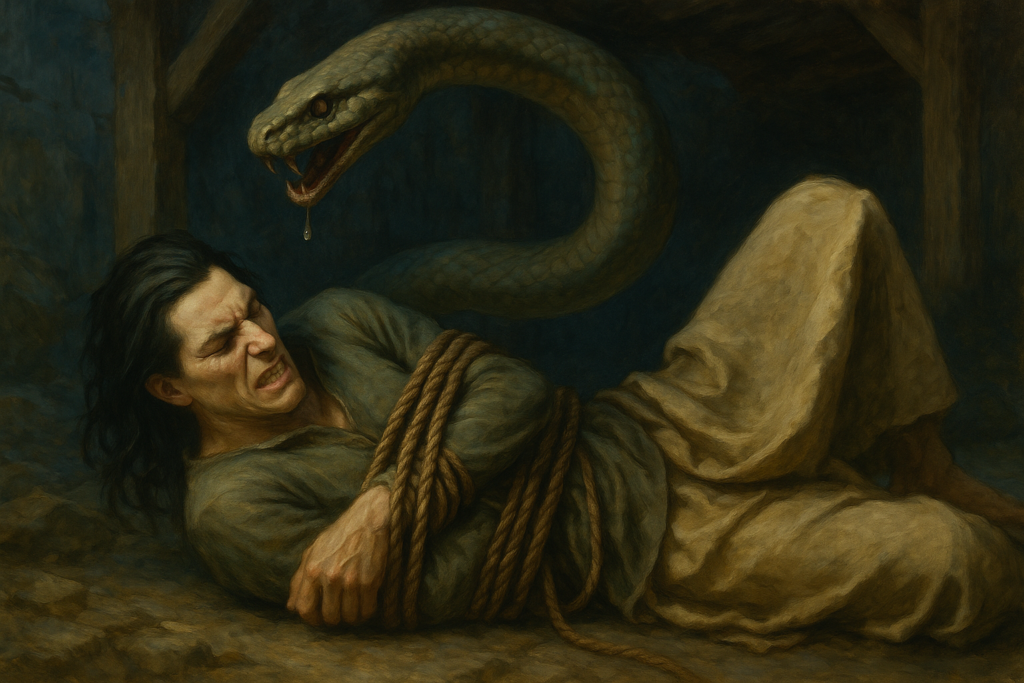
Similarly, Loki, the trickster god, presents a more complex picture. While he is often aligned with chaos, his actions also bring about necessary changes that facilitate personal growth and development. Loki’s dual nature—bringing both trouble and resolutions—illustrates the intricate dance between order and chaos, encouraging individuals to embrace the unpredictability of life.
The Influence of Nature
Nature in Norse mythology also reflects this ongoing struggle. The harsh Scandinavian landscape, with its unpredictable weather and rugged terrain, serves as a constant reminder of chaos. The powerful forces of nature—storms, avalanches, and floods—serve as metaphors for the chaotic aspects of life that challenge human understanding and impose limitations on human endeavors.
Yet nature is also a source of order. The cyclical patterns of the seasons, the rising and setting of the sun, and the moon’s phases represent the reliable rhythms of life. In this duality lies a rich understanding of existence. The Norse viewed nature not as something to be conquered but as a living, dynamic force that must be respected and revered.
Philosophical Implications
The perpetual struggle between order and chaos in Norse mythology invites philosophical reflection. It underscores an essential aspect of the human condition: the navigating of unpredictability and the search for meaning amidst life’s uncertainties. It highlights that order and chaos are not opposites but coalescing forces that shape our experiences.
In modern terms, this dichotomy resonates with the psychological struggle many individuals face today. In a world often perceived as chaotic—marked by rapid technological advancements, socio-political upheavals, and existential threats—Norse myths remind us of the importance of seeking balance and finding our own paths between structure and spontaneity.
Furthermore, embracing this struggle can lead to personal growth and resilience. Just as the gods and heroes endure chaos to emerge transformed, individuals can learn to adapt, find strength in vulnerability, and foster connections that allow them to create their own order within the chaos of life.
Conclusion
The eternal struggle of order versus chaos in Norse myths is far more than a simple battle between two forces; it is a reflection of existence itself. Through the stories of gods and heroes, we are reminded that while chaos may threaten to disrupt our lives, it is also a catalyst for growth and transformation. As we navigate our paths through the unpredictability of the modern world, the echoes of Norse mythology encourage a deeper understanding of the balance between order and chaos—a timeless lesson that continues to resonate.