Norse Deities and Their Associations with Days of the Week
Norse Deities and Their Associations with Days of the Week
The fascinating world of Norse mythology is replete with extraordinary deities, each embodying unique attributes, powers, and stories that have captivated imaginations for centuries. One interesting aspect of this mythos is the alignment between specific Norse gods and the days of the week. This association, while rooted in ancient traditions, persists in modern languages and cultural practices, primarily through the names of the days. This article explores the key Norse deities related to the weekdays, delving into their myths, attributes, and significance.
Monday: Moon’s Day (Mánadagr)
The name for Monday in English derives from “Moon’s Day,” which traces its roots to the Old English word “Monandæg” and the Old Norse “Mánadagr.” The Norse deity associated with the moon is Máni, often depicted as a male figure who governs the moon’s phases. Máni, alongside his sister Sól (the sun), was monstrous in the eyes of the frost giants, who sought to snuff out their light. In mythology, the moon was also seen as a guide for travelers and a symbol of change and renewal. Monday, therefore, serves as a tribute to the lunar cycle—a reminder of the ebb and flow of existence.
Tuesday: Tiu’s Day (Týsdagr)
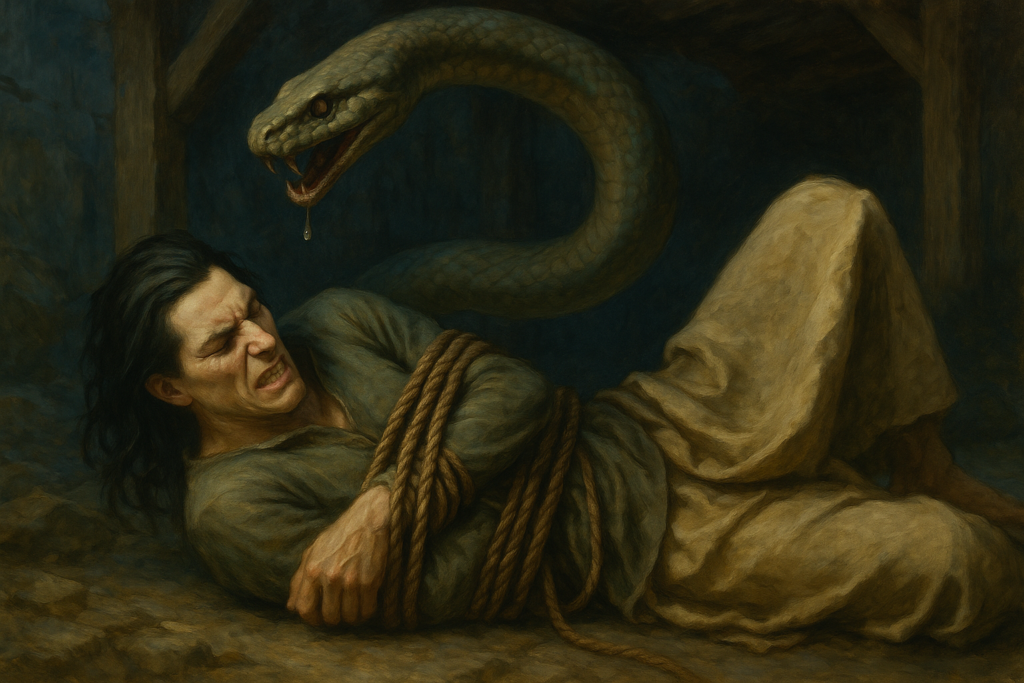
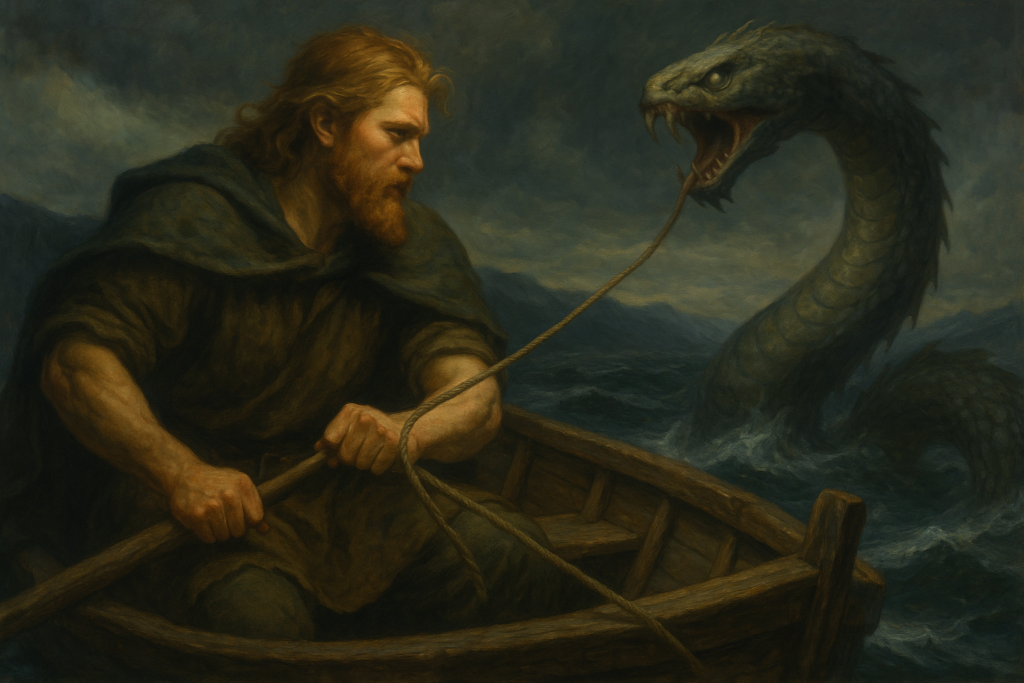
Tuesday is known as “Tiu’s Day,” drawing from the Old English “Tiwesdæg” and the Old Norse “Týsdagr.” Tiw (Týr) is the Norse god of war and law, representing honor, courage, and conflict resolution. In many myths, Týr is portrayed as noble, having sacrificed his hand to bind the fearsome wolf Fenrir—an act that showcases his commitment to maintaining order and peace among the gods.
Týr’s warrior spirit and associations with law make Tuesday an appropriate day for tactical pursuits and assertiveness. It is said that those who honor Týr on this day would find success in new ventures and conflicts. Týr’s dual representation of war and justice emphasizes the balance between aggression and morality, a theme that resonates in many cultures.
Wednesday: Woden’s Day (Óðinsdagr)
Wednesday, or “Woden’s Day,” is named after Odin (Óðinn), the chief of the Aesir gods and a figure enveloped in wisdom, poetry, and death. The Old English “Wodnesdæg” and the Old Norse “Óðinsdagr” underscore Odin’s central role in Norse mythology. Known for his relentless quest for knowledge, Odin sacrificed an eye to drink from the Well of Wisdom, demonstrating his commitment to enlightenment.
Odin’s associations with war and prophecy also color interpretations of Wednesday. Various legends depict him leading the souls of warriors to Valhalla, highlighting his responsibilities in the afterlife. This day is often viewed as auspicious for creativity, seeking wisdom, and connecting with the divine. Odin invites followers to engage in introspection and seek higher truths.
Thursday: Thor’s Day (Þórsdagr)
Thursday derives its name from “Thor’s Day” (Þórsdagr), honoring Thor, the thunder god known for strength, protection, and integrity. The thunder god was revered for his ability to guard both gods and humanity against chaos and evil, particularly the threats posed by giants. The Old English “Þūnresdæg” and Old Norse “Þórsdagr” signify his paramount status in Norse culture.
Thor’s hammer, Mjölnir, symbolizes his protective nature and is often invoked in rituals meant to safeguard against evil forces. Thursday, therefore, is regarded as a day of strength and protection. Many still seek Thor’s blessings on this day for resilience in the face of obstacles and a reaffirmation of morale, echoing the ancient notion of fortifying one’s spirit against misfortune.
Friday: Frigg’s Day (Frīgedagr)
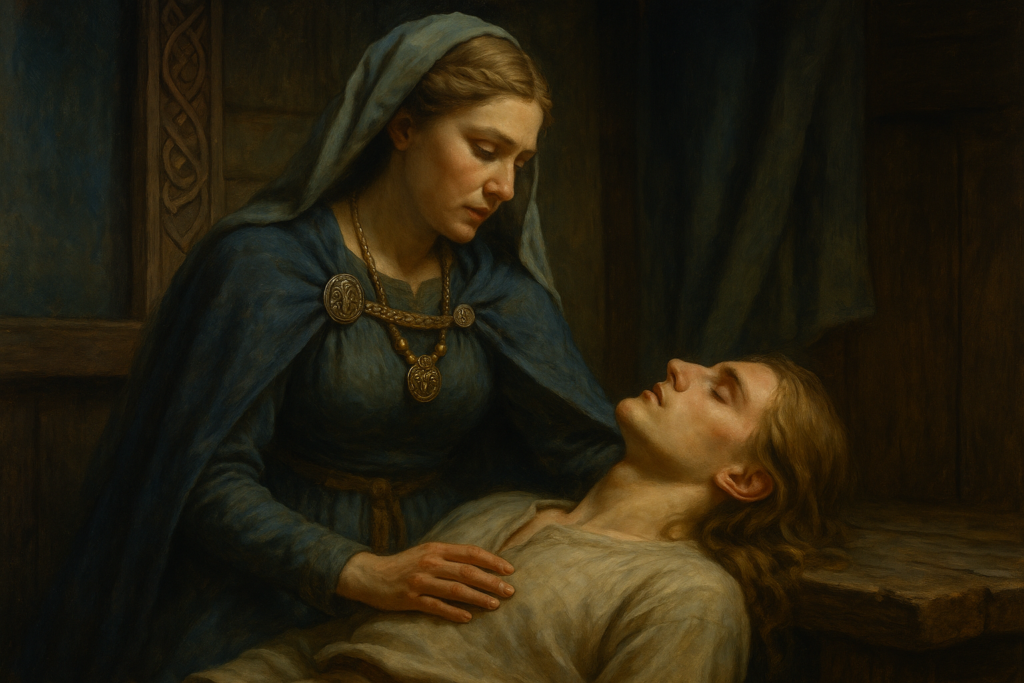
Friday, known as “Frigg’s Day” (Frígedagr), pays homage to Frigg (Frigga), the goddess of love, marriage, and motherhood. The day’s name also reflects the importance of romantic and marital relationships—mirroring Frigg’s significance as a mother and wife to Odin. The Old English “Frīgedæg” and the Old Norse “Friggadagr” link this day to nurturing, love, and domestic harmony.
Frigg is also associated with fertility and the home, symbolizing stability and emotional strength. Fridays are often seen as ideal for family gatherings, romantic endeavors, and building emotional connections. The invocation of Frigg highlights the delicate balance between love and responsibility, a theme that resonates through personal relationships even today.
Saturday: Saturn’s Day (Laugardagur)
Though not directly linked to a Norse deity, Saturday’s name draws from the Latin “Saturni dies,” honoring the Roman god Saturn. In the Old Norse terminology, “Laugardagur” means “day of bathing” and is connected to rituals of cleansing and relaxation. This speaks to the importance of self-care and community gathering, although Saturn’s connection pertains more to agrarian cycles and the concept of harvest.
While not traditionally Norse, Saturday represents a time for rejuvenation—a chance to reflect, relax, and care for one’s physical and emotional well-being. The day embodies a blend of ancient practices emphasizing community, rest, and preparing for the week ahead.
Sunday: Sun’s Day (Sunnudagr)
Finally, Sunday, “Sun’s Day,” or “Sunnudagr,” honors Sól, the goddess of the sun. Sól is portrayed as a vibrant figure who drives the sun across the sky, battling the wolf Sköll, who seeks to devour her light. The sun symbolizes vitality, clarity, and growth—qualities deeply cherished in Norse culture.
Sól’s significance is reflected in Sunday as a day devoted to revitalization and cultivation, be it personal or spiritual. Observing the sun is a reminder to seek enlightenment, encouraging focus on spiritual growth and success in one’s endeavors.
Conclusion
The names of the days of the week provide a rich tapestry of connections to Norse mythology, showcasing the profound impact of these ancient deities on modern society. From Týr’s valor to Frigg’s nurturing love, each day invites contemplation of the qualities these gods embody. Understanding these associations sheds light on our cultural heritage, revealing how ancient beliefs continue to influence our everyday lives. As we move through the week, invoking the attributes of these deities—whether consciously or unconsciously—allows us to connect deeper with the timeless stories that shape our existence.