Rituals and Practices in Ancient Norse Religion
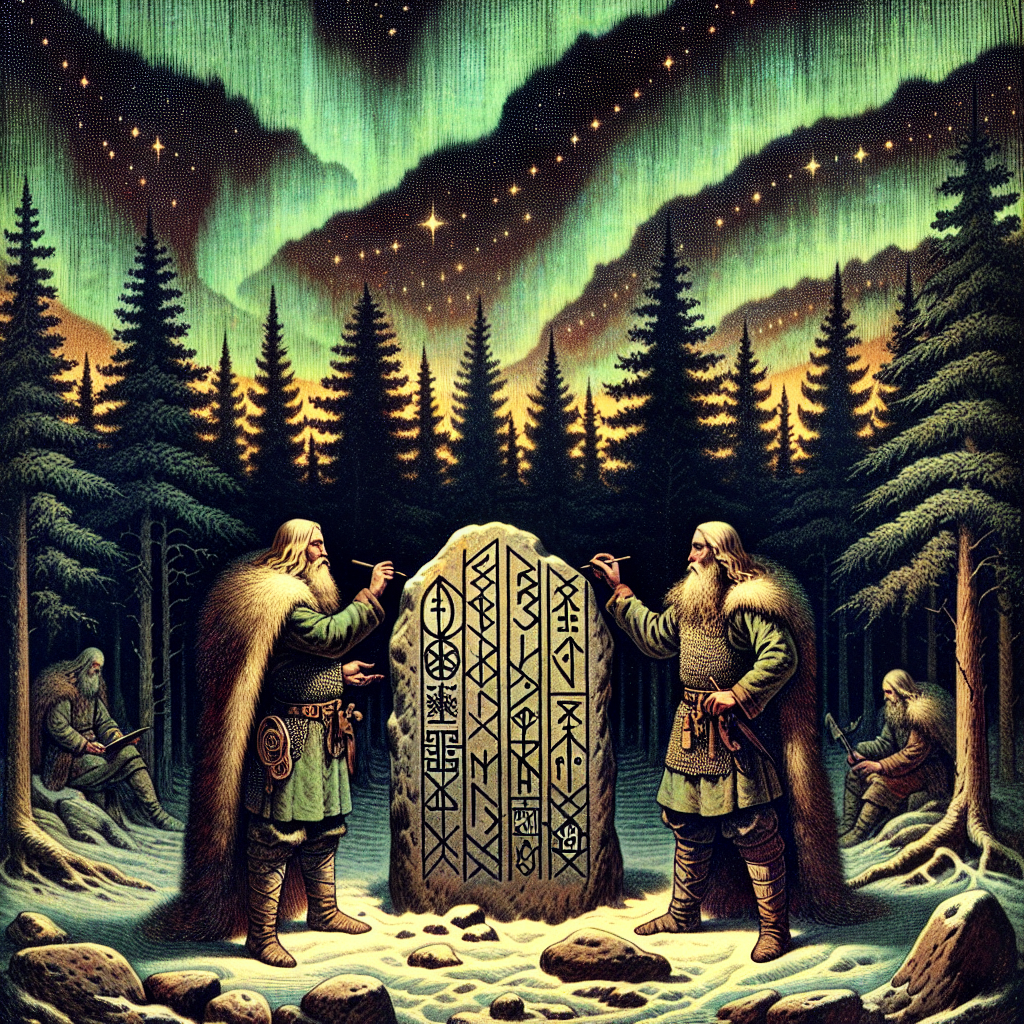
The ancient Norse religion, often referred to as Ásatrú or the Old Norse paganism, forms a fascinating aspect of Norse culture, rich in traditions, rituals, and practices. Emerging in the Scandinavian region before the advent of Christianity, these beliefs reflected deep connections with nature, the cosmos, and a pantheon of deities, characterized by an array of spiritual practices and communal rituals.
The Pantheon of Deities
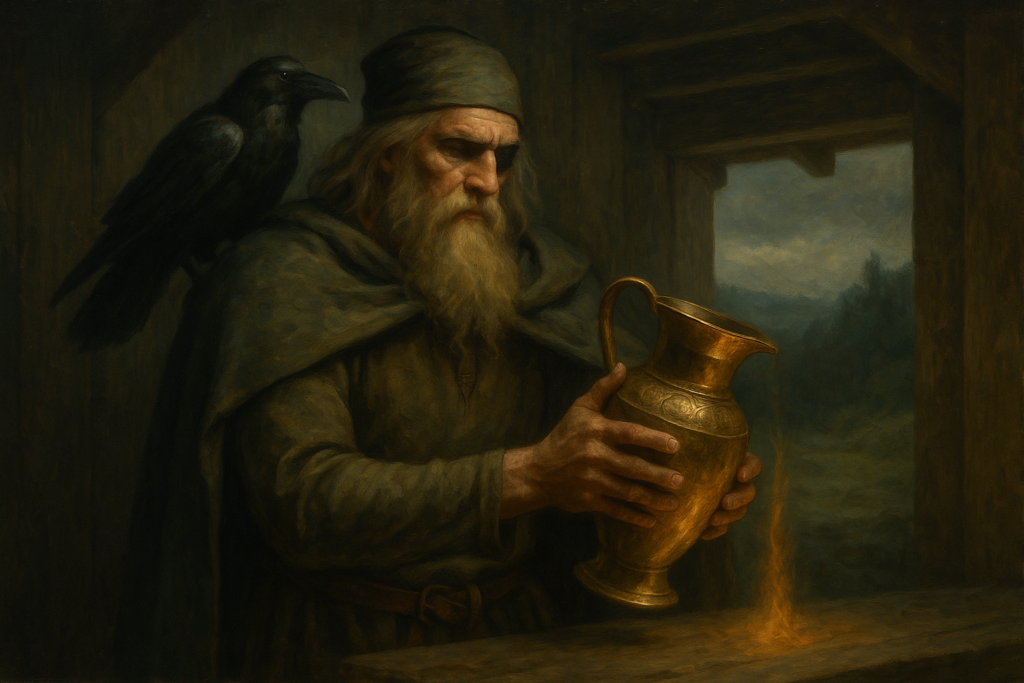
Central to Norse religion is the pantheon of gods and goddesses, including Odin, Thor, Freyja, and Loki. Each deity represented different aspects of life and the cosmos. Odin, the Allfather, was associated with wisdom, war, and death; Thor embodied strength, protection, and thunder; Freyja was linked to love, fertility, and war. These deities were often invoked in rituals, with followers seeking their favor for various aspects of daily life, from agricultural success to protection in battle.
Cosmology and Mythology
The Norse cosmology is structured around nine worlds connected by the great tree Yggdrasil, which symbolizes the interconnectedness of all beings. The myths surrounding these worlds and their inhabitants provided a narrative framework that informed the practices and rituals of the Norse. The creation myth, the stories of Ragnarök (the end of the world), and the tales of the gods’ adventures served as a moral and ethical guide for followers, promoting values such as bravery, honor, and loyalty.
Rituals and Their Significance
Blóts
One of the most significant rituals in ancient Norse religion was the blót, a sacrificial rite held to honor the gods and gain their favor. Blóts could be conducted for various reasons, including celebrating seasonal changes, seeking fertility, or invoking victory in battle. Animals, such as horses, pigs, and goats, were commonly sacrificed, with the blood of the sacrificed creature poured over altars and participants. The meat was often shared among the community, creating bonds of kinship and reverence among worshippers.
Sumbel
The sumbel was another important ritual that involved the communal sharing of mead or ale, where each participant would make toasts to the gods, ancestors, and each other. This ritual served to solidify bonds within the community and establish a sense of mutual support and loyalty. During the sumbel, participants would recite boasts or vows, often reflecting their strengths, achievements, or aspirations. The act of making oaths was considered sacred, with villagers believing that breaking them could have dire consequences.
Seasonal Festivals
The Norse calendar was marked by a series of festivals that aligned with agricultural cycles, celestial events, and seasonal changes. Midwinter festivals, a celebration of Yule, were held at the winter solstice to honor the rebirth of the sun, while summer solstice festivities celebrated the peak of fertility and abundant light. Other seasonal rites, such as Jól (Yule) and Þorri, were marked by feasting and communal activities, often honoring specific deities or ancestors.
Ancestor Worship
The veneration of ancestors was a fundamental aspect of Norse religious practice. Families would honor their forebears through rituals known as vörðr, inviting ancestral spirits to participate in communal gatherings. This connection with the past reinforced the importance of lineage and heritage, promoting a sense of identity within the community. Ancestor shrines, adorned with offerings, were common in homes, emphasizing a continued relationship with those who had passed on.
Seidr
Seidr was a form of magic and divination practiced primarily by women in Norse society, often associated with the goddess Freyja. This practice involved entering altered states of consciousness to access knowledge or foretell the future. Practitioners, known as völvas, would often conduct rituals in sacred groves or by seashores, using tools such as runes or the Eddaic verses to guide their practice. The use of seidr was viewed with respect and sometimes suspicion, as it was believed to manipulate fate and elude the natural order.
The Role of Community
In ancient Norse culture, religious practices were inherently communal. Each ritual reinforced social bonds and maintained the collective identity of the community. Leaders known as goðar often overseen ceremonies, acting as intermediaries between the deities and the people. Responsibilities included conducting blóts, leading sumbels, and ensuring the community’s needs were met through rituals that appealed to divine favor.
The concept of hygge (coziness) also played a role in religious practices, fostering connections among community members. During ceremonies, feasts, and gatherings, shared experiences of joy and reverence deepened relationships, reinforcing a collective spiritual identity.
Transition to Christianity
The transition from Norse paganism to Christianity in the 11th century marked significant changes in religious practice. With the rise of Christian missionaries came the gradual assimilation of Norse beliefs into Christian traditions. Many ancient rituals were adapted or absorbed, resulting in the syncretism of cultural practices. For instance, Yule celebrations were transformed into Christmas festivities, blending old customs with new beliefs.
However, remnants of Norse pagan practices continue to resonate within Scandinavian culture today. Modern Neopagan movements, including Ásatrú, have emerged, reviving ancient beliefs and rituals alongside contemporary life, ensuring that the legacy of Norse religion remains vibrant.
Conclusion
The rituals and practices of ancient Norse religion reflect a rich tapestry of beliefs, intertwining the natural world, communal ties, and a complex pantheon of deities. Through blóts, sumbels, seasonal festivals, and ancestor worship, the Norse people navigated their existence, facing the uncertainties of life with courage and connection. While modern Christianity has transformed the spiritual landscape of Scandinavia, the echoes of Norse traditions continue to thrive, reminding us of the enduring power of ancient beliefs and the communal spirit that defined an era.