How Norse Mythology Influenced Viking Culture
The Influence of Norse Mythology on Viking Culture
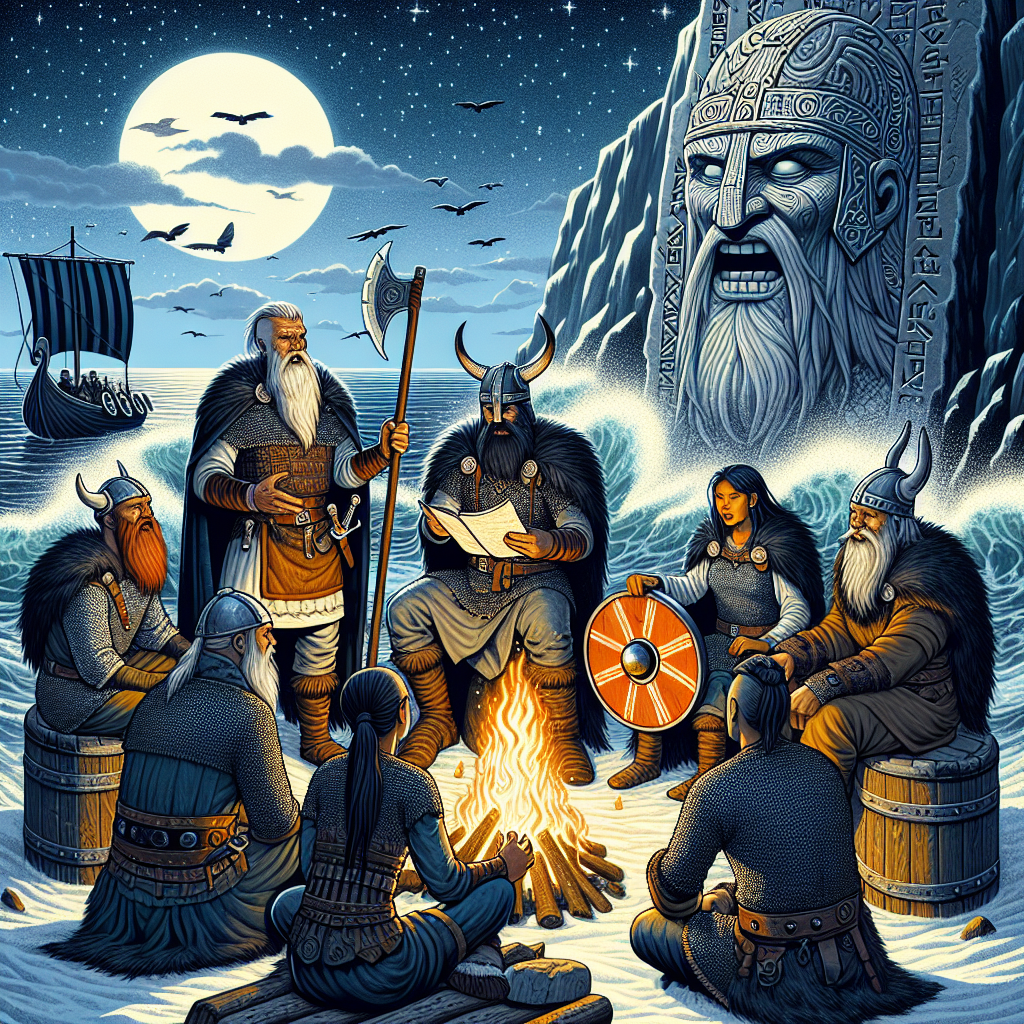
Norse mythology, a rich tapestry of stories and deities, played an integral role in shaping Viking culture, beliefs, and societal structures. As the Vikings, who spanned from the late 8th to the early 11th century, navigated both the seas and their complex inner worlds, their understanding of mythology served as a guiding force, influencing everything from their social norms to their everyday practices. This article delves into the multitude of ways in which Norse mythology permeated Viking culture, exploring its impact on their values, customs, and societal organization.
Spiritual Framework
At the heart of Norse mythology is a vast array of gods and goddesses, each representing different facets of existence and the natural world. Deities like Odin, Thor, and Freyja were not merely figures to be worshipped; they served as embodiments of societal ideals and human traits. Odin, the all-father, encapsulated wisdom, war, and death, while Thor represented strength and protection. The presence of these deities fostered a framework for moral values and ethical conduct, where bravery, honor, and loyalty were celebrated while cowardice and treachery were condemned.
Viking society imbued their daily lives with the spiritual significance of these beliefs. Rituals and ceremonies were common, often occurring to honor the gods or seek their favor in times of need, be it in battle or during significant life events such as weddings and funerals. The Norse sagas, epic tales that chronicled the exploits of gods and heroes, reinforced the cultural values that were paramount among the Norse, making them eager participants in their collective mythology.
Social Structure and Governance
Norse mythology also played a vital role in the hierarchy and governance of Viking society. Chieftains and leaders often claimed descent from gods or legendary figures to legitimize their authority, instilling a divine right to rule. This connection to the gods provided a powerful tool for unifying people under a central figure, as the belief in divine favor was a means to garner loyalty and respect from followers.
The concept of the “Thing,” an assembly of free men, was a crucial element of Viking governance. Many decisions were made in these gatherings, rooted in a blend of mythology and tradition. Tales of the gods’ interactions influenced Viking concepts of justice and community decision-making. Leaders were expected to maintain the qualities embodied by deities—honor, wisdom, and strength—thus fostering a culture that held leaders to a standard dictated by the very stories woven into the fabric of their civilization.
Military Ethics and Warfare
The Viking Age is often characterized by its notorious raids and conquests, an aspect shaped significantly by Norse mythology. Warfare was not only about territory or treasure; it served as a means to achieve glory and valhalla—a paradise for warriors slain in battle. The notion that fallen warriors were chosen by Valkyries to reside in Valhalla created a culture that glorified bravery and valor. The desire for a noble death and the everlasting honor it afforded influenced Viking approaches to combat.
Rituals, such as those performed before battles, invoked divine support. Skalds, or poets, would recite tales of heroic feats, invoking the gods’ favor while boosting the morale of warriors. This interplay between mythology and warfare stylized the Viking approach to conflict and deeply influenced their societal norms regarding honor and valor. A warrior’s reputation could be built upon their deeds in life, which were seen as manifestations of divine favor and prowess.
Art and Symbolism
The influence of Norse mythology also permeated Viking art, adorning everything from everyday objects to grand burial sites. Intricate designs, symbols, and motifs featuring mythology, like the serpentine patterns of Jörmungandr or the ravens of Odin, became iconic representations of the culture. Artistic expression was a significant avenue through which mythology was interwoven into the Viking identity.
In craft-making, the stories of the gods often informed styles and techniques showcased in jewelry, weapons, and even architecture. The construction of longhouses, ships, and burial mounds frequently employed motifs inspired by mythological narratives, creating a cultural landscape richly embedded with spiritual significance. Such artistic representations not only served aesthetic purposes but also functioned as statements of identity and belief, emanating the values and stories that Viking society held dear.
The Role of Women
Norse mythology’s representation of women was multifaceted, influencing Viking culture profoundly. Figures such as Freyja, the goddess of love, fertility, and war, exemplified the complex roles women played. Women were viewed not just as homemakers but as integral parts of society with agency and significance, reflected in mythology through their involvement in battles and political decisions.
The existence of Valkyries, warrior maidens who chose those who would die in battle, reinforced the idea of powerful women in Viking culture. This duality of femininity as both nurturing and fierce prompted Viking men and women alike to accept a broader spectrum of gender roles, contributing to a society that valued a diversity of strengths and abilities.
Conclusion
In summary, Norse mythology was not merely a collection of stories for the Viking people; it was the very essence of their culture and identity. The spiritual framework provided a moral compass, the hierarchy influenced governance, and the ideals of warfare shaped societal norms. Furthermore, the artistic expressions and roles of women reflected a nuanced understanding of the vast narratives that defined their existence.
As the Vikings engaged with their mythology, they wove it into the very fabric of their society, influencing everything from their relationships to their understanding of life and death. In examining the profound interplay between Norse mythology and Viking culture, one gains insight into how deeply interwoven belief systems and societal structures can shape civilizations, leaving a legacy that continues to resonate through history and mythology to this day.