Greek Myths in Art: An Exploration of Iconography
Greek mythology has long been a wellspring of inspiration for artists across the ages. From the classical sculptures of ancient Greece to contemporary interpretations, the rich tapestry of myths and legends has provided a myriad of themes, characters, and narratives that artists have adapted in myriad ways. This exploration of Greek myths in art focuses on the significance of iconography—the visual imagery and symbols used to represent the myths—illuminating how these elements have shaped our understanding and appreciation of Greek culture.
The Origins of Greek Mythology
Before diving into the artistic representation of Greek mythology, it is crucial to understand its origins. Greek myths served several purposes in ancient society, including explaining natural phenomena, providing moral lessons, and offering insights into human behavior. Central figures like Zeus, Athena, and Hercules became archetypes whose stories came to symbolize broader human experiences—creativity, wisdom, strength, and even folly.
Iconography in Ancient Art
In ancient Greece, the depiction of mythological subjects was prevalent in various art forms, including pottery, sculpture, and frescoes. The iconography associated with these myths almost functioned as a visual language, employing detailed symbols and imagery to convey complex narratives.
- Pottery and Vase Painting
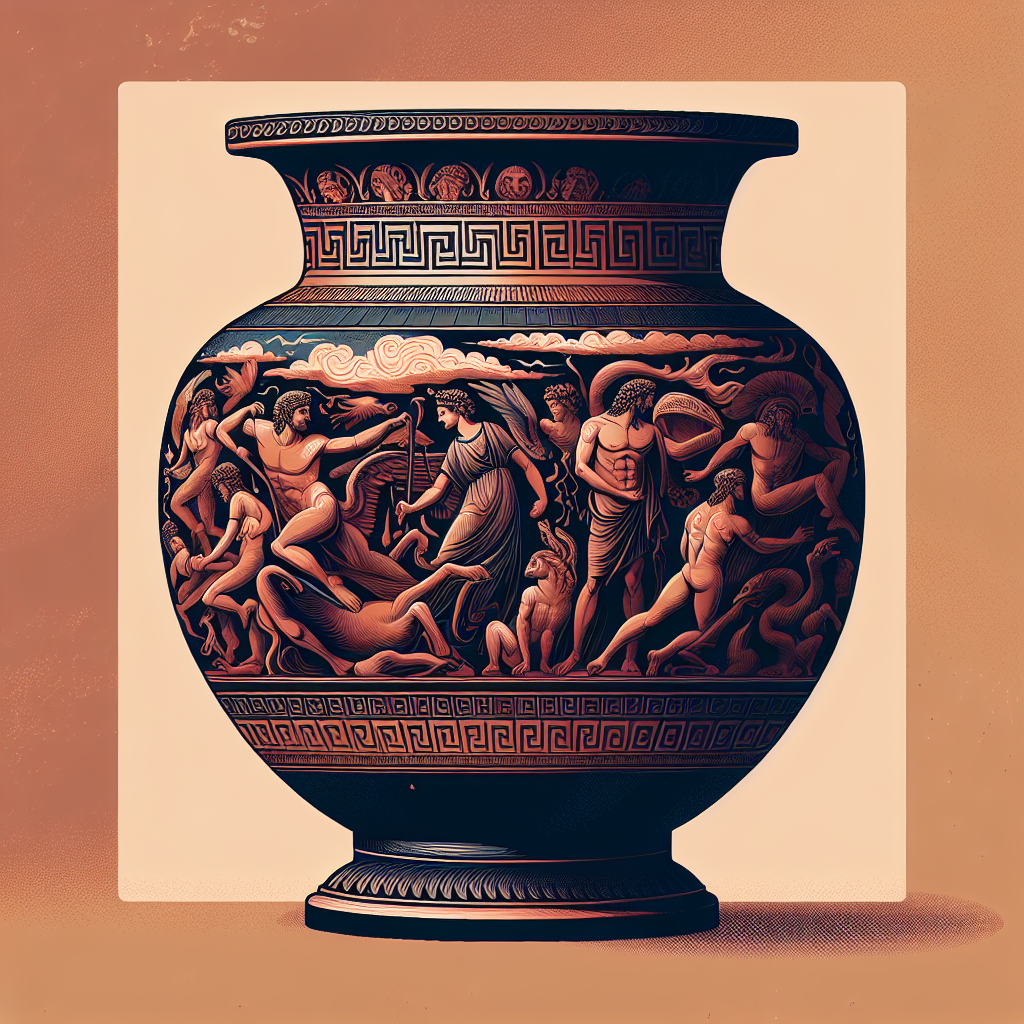
One of the best-preserved forms of ancient Greek art is pottery, which often features scenes from mythology. Black-figure and red-figure techniques allowed artisans to depict stories from myths in rich detail. For example, on a famous vase, the scene of Achilles and Patroclus depicts themes of friendship and valor, symbolized by the armor and weapons they carry.
The use of specific symbols—like the lyre for Apollo or the owl for Athena—enabled viewers to quickly identify the figures involved in the narratives. The repetitive imagery on pottery not only showcased the skills of the potters but also educated the populace about their cultural heritage.
- Sculpture
Greek sculpture attained a high level of sophistication by the classical period, particularly in the representation of mythological figures. The sculptures of gods and heroes often aimed to express ideal beauty and perfection, embodying the virtues those figures represented.
For example, the statue of Athena Parthenos by Phidias, housed in the Parthenon, depicted the goddess as an embodiment of wisdom and warfare. Athena, depicted with her helmet and shield, serves as an icon of strategy and skill in conflict. The Parthenon itself is adorned with relief sculptures that narrate the story of Athena’s contest with Poseidon, illustrating the ways in which architecture and storytelling were intertwined.
- Frescoes and Mosaics
Frescoes and mosaics provided another method for conveying mythological iconography. These artworks often decorated public spaces, allowing for communal engagement with the stories they depicted. For instance, the Villa of the Mysteries in Pompeii boasts a series of frescoes that illustrate the rites and mysteries of Dionysus, the god of wine, offering viewers a glimpse into both myth and cultural practices of the time.
Mosaics often employed complex imagery to create detailed scenes. In the famous mosaic of the Battle of Issus, mythological elements are intertwined with historical narratives, portraying figures like Achilles in heroic stances that elevate their status beyond mere mortals.
The Renaissance: A Rebirth of Greek Mythology
The Renaissance marked a renewed interest in classical antiquity, prompting European artists to draw heavily from Greek mythology. Iconography flourished once again, with a profound emphasis on humanism and acceptance of the mythological world as emblematic of human nature.
- Iconography in Painting
Artists like Sandro Botticelli and Titian embraced Greek myths as subjects for their paintings. Botticelli’s “The Birth of Venus” exemplifies the merging of mythological iconography with ideals of beauty and love. Venus, emerging from the sea, is surrounded by symbols of spring, highlighting harmony and the potential for rebirth.
Titian’s “Diana and Actaeon” captures a moment in a myth where Actaeon stumbles upon the goddess of hunting bathing. The tension of the narrative is palpable, represented through the dynamic poses and the contrasting movement of the figures. Here, the artist uses light and shadow to enhance the emotional weight of the story, reinterpreting Greek myth for a Renaissance audience while continuing to utilize familiar iconography.
- Sculptural Revival
In sculpture, the Renaissance saw the return to classical forms, and artists like Michelangelo drew inspiration from mythological narratives. Michelangelo’s “David” embodies the strength and heroism attributed to figures like Hercules, while his unfinished sculptures of the “Prisoners” reveal the struggle inherent in artistic creation, echoing the trials faced by mythological heroes.
Iconography in Modern Art
The engagement with Greek mythology did not cease with the Renaissance. Modern artists have continually reinterpreted these narratives through various mediums. Iconography remains potent as a tool for exploring the human condition and societal themes.
- Contemporary Interpretations
Contemporary artists often use Greek myths to address current issues, interpreting the stories through a modern lens. Artists like Anselm Kiefer incorporate mythological symbolism to explore themes of history, identity, and conflict. Kiefer’s work frequently includes references to figures such as Prometheus, representing the burden of knowledge and the complexity of human endeavor.
- Digital Art and New Media
In the digital age, myths find new life in animations, video games, and graphic novels, where artists have the freedom to explore the iconography of Greek myths in innovative ways. Artists and game developers like those behind “God of War” have transformed traditional narratives, recontextualizing figures like Zeus and Athena within new storylines that resonate with contemporary audiences.
Conclusion
The impact of Greek mythology on art is profound and continuously evolving. Through the lens of iconography, we can appreciate how artists from antiquity to modernity have interpreted and reinterpreted these stories, drawing upon symbols and themes that resonate across time. Greek myths have proven to be a versatile and enduring source of inspiration, allowing us to delve into the complexities of human nature, morality, and the everlasting struggle between the earthly and the divine.
As we continue to explore the iconography that underpins these ancient stories, we uncover layers of meaning that reveal not only the values and beliefs of a bygone era but also their relevance to modern society. In this way, the myths do not merely exist as relics of the past; they live on, inspiring and connecting generations.
Recommended reading
These are affiliate links. If you buy through them, we may earn a commission at no extra cost to you.
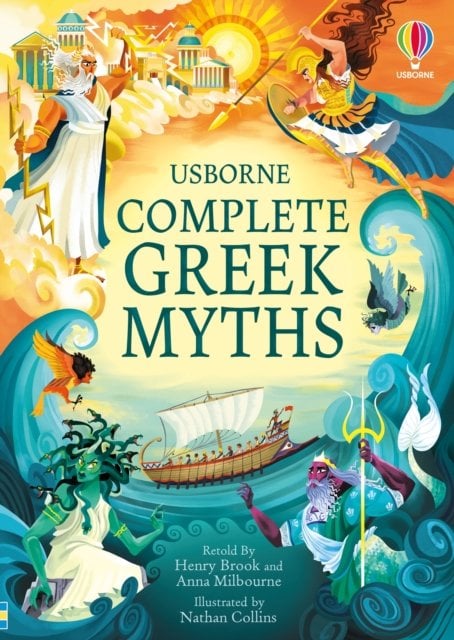
Complete Greek Myths: An Illustrated Book of Greek Myths
Featuring detailed retellings, beautiful character illustrations, and cultural background, this comprehensive volume brings the best-known and obscure Greek myths to life for readers of all ages. Complete with maps, a glossary, and a QR code for pronunciation guides and extra resources, it is an essential addition to any family bookshelf.
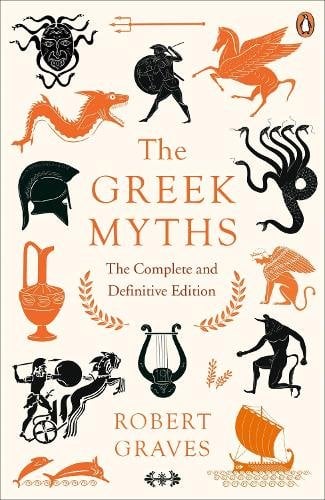
The Greek Myths: The Complete and Definitive Edition
Robert Graves’s definitive edition weaves the classic Greek myths, from the Labours of Hercules to the Trojan War, into one sweeping, authoritative narrative. Perfect for both first-time readers and classicists, this comprehensive volume combines engaging storytelling with detailed scholarly commentary and a complete index of names.
The Odyssey
Homer’s timeless epic The Odyssey follows the hero Odysseus on a perilous decade-long journey home from Troy, facing mythical monsters and divine wrath. Meanwhile, his wife Penelope and son Telemachus defend their kingdom against ruthless suitors in this classic tale of loyalty and endurance.