Sisyphus: A Study of Eternal Struggle and Purpose

Sisyphus: A Study of Eternal Struggle and Purpose
The myth of Sisyphus is one of the most enduring and thought-provoking narratives in Western literature. Originating from ancient Greek mythology, Sisyphus was a cunning king who defied the gods, leading to his eternal punishment: to roll a boulder uphill, only for it to roll back down each time he neared the summit. This story encapsulates themes of struggle, resilience, and the search for meaning in a seemingly futile existence. Beyond its mythological roots, the tale of Sisyphus has been profoundly examined in various fields, ranging from literature to philosophy, especially by thinkers such as Albert Camus.
The Mythological Background
Sisyphus, the king of Corinth, was notorious for his deceitfulness and hubris. He tricked death, Hades, and even the gods themselves, which ultimately led to his condemnation. The gods, frustrated with his defiance, decided that his punishment would highlight the essence of futile effort—a seemingly endless cycle of labor that serves no true purpose. The boulder serves as both a physical representation of his struggle and a metaphor for the burdens individuals face in life.
Eternal Struggle: The Symbolism of the Boulder
At its core, Sisyphus’s narrative reflects the concept of eternal struggle. The boulder symbolizes the challenges and obstacles that each individual faces. While Sisyphus’s task is extreme, it mirrors the challenges inherent in daily human existence—from mundane tasks to existential crises. The act of pushing the boulder represents not just work, but the effort we exert in pursuit of our goals, often in the face of overwhelming odds.
This perpetual struggle prompts an exploration of the human condition. Do we find meaning in our daily tasks, or are we just participants in a never-ending game? Sisyphus’s plight raises the question of whether striving toward something is itself a worthy endeavor, even if the outcome appears futile.
Camus and the Absurd
French philosopher Albert Camus famously interpreted the story of Sisyphus in his essay “The Myth of Sisyphus.” He used the narrative to illustrate his concept of the Absurd—the conflict between the human desire for meaning and the indifferent universe that offers none. According to Camus, Sisyphus embodies a hero who embraces his fate without illusion.
In Camus’s view, the struggle itself is meaningful. He posits that one must imagine Sisyphus happy, despite the absurdity of his plight. By accepting his eternal punishment and finding purpose in the struggle, Sisyphus transcends mere existence. Camus encourages us to confront the Absurd head-on rather than seek false solace in traditional narratives of significance.
Perspectives on Purpose
The notion of purpose is central to understanding Sisyphus’s myth. Many people grapple with the question of purpose, particularly in a world that often feels chaotic and arbitrary. Is our work, effort, and dedication ultimately meaningful? The challenge, like that faced by Sisyphus, lies not in finding a definitive answer, but in engaging with the question itself.
Different philosophical schools provide varying interpretations of purpose. Existentialists, like Camus, argue that individuals must create their own meaning in a universe devoid of inherent value. In contrast, Stoics might suggest that the value lies in the virtue of perseverance and resilience. Engaging in the struggle, in whatever form it takes, becomes a pathway to personal growth.
Resilience in the Face of Futility
The story of Sisyphus emphasizes the importance of resilience. Life inevitably presents challenges that may feel insurmountable, akin to the task of rolling a boulder up a hill. Yet, it is often in the struggle that we discover our true selves. The act of pushing the boulder can be seen as a form of defiance against despair. It embodies the idea that even when we see no endpoint or result, the act of striving gives validity to our existence.
This perspective resonates deeply in contemporary society, where mental health issues and feelings of hopelessness abound. Many individuals find themselves in Sisyphean situations—whether battling personal demons, facing economic struggles, or grappling with existential angst. The myth encourages a re-evaluation of these experiences. Rather than viewing them as burdens to avoid at all costs, we can reframe them as opportunities for growth and self-discovery.
The Human Condition: A Shared Struggle
Sisyphus’s story is universal. It resonates across cultures and eras, as it encapsulates the human experience of struggle. Everyone has their boulders to push, whether they are career aspirations, personal dreams, or relationships. What binds us is the recognition that we all face our own monumental challenges in life.
Community plays an essential role in navigating these struggles. Sharing our burdens with others can provide solace and perspective; it fosters connections grounded in mutual understanding. In many ways, this collective engagement in struggle can transform Sisyphean challenges into opportunities for solidarity, cooperation, and empathy.
The Enduring Legacy of Sisyphus
The myth of Sisyphus is not just a story about punishment; it is a profound meditation on life, agency, and the search for meaning. It teaches us to confront the absurdity of our existence and to find joy in the act of striving, regardless of the outcome.
In a world where the meaning of effort is often questioned, Sisyphus stands as a reminder that struggle itself can be a source of purpose. Embracing our challenges invites us to engage deeply with life, urging us to find fulfillment even in the face of inevitable setbacks. In the end, we are all Sisyphus, pushing our boulders uphill, and perhaps, just perhaps, finding happiness in the ascent.
Recommended reading
These are affiliate links. If you buy through them, we may earn a commission at no extra cost to you.
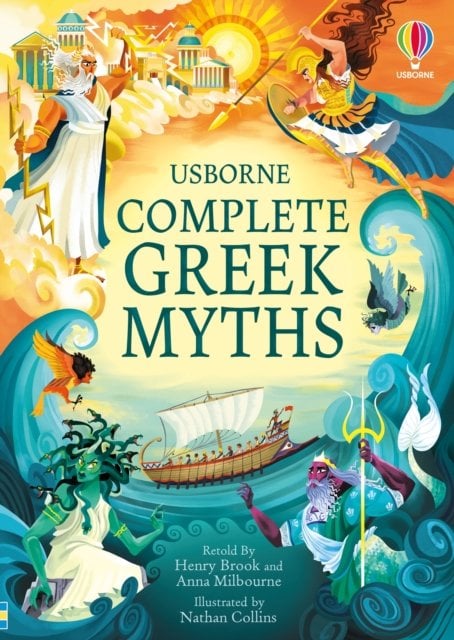
Complete Greek Myths: An Illustrated Book of Greek Myths
Featuring detailed retellings, beautiful character illustrations, and cultural background, this comprehensive volume brings the best-known and obscure Greek myths to life for readers of all ages. Complete with maps, a glossary, and a QR code for pronunciation guides and extra resources, it is an essential addition to any family bookshelf.
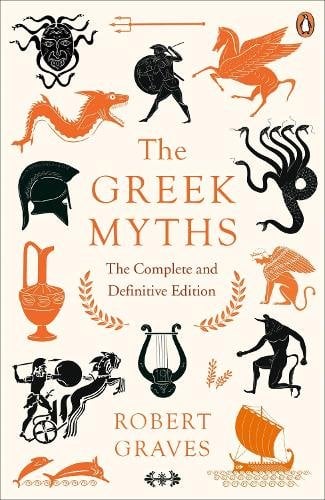
The Greek Myths: The Complete and Definitive Edition
Robert Graves’s definitive edition weaves the classic Greek myths, from the Labours of Hercules to the Trojan War, into one sweeping, authoritative narrative. Perfect for both first-time readers and classicists, this comprehensive volume combines engaging storytelling with detailed scholarly commentary and a complete index of names.
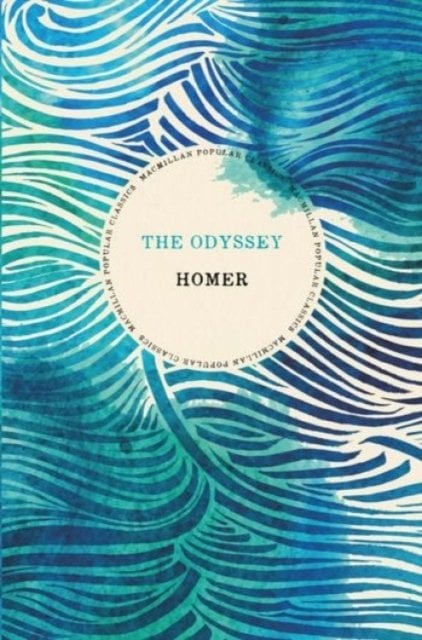
The Odyssey
Homer’s timeless epic The Odyssey follows the hero Odysseus on a perilous decade-long journey home from Troy, facing mythical monsters and divine wrath. Meanwhile, his wife Penelope and son Telemachus defend their kingdom against ruthless suitors in this classic tale of loyalty and endurance.