Understanding the Book of the Dead: A Guide to Ancient Egyptian Funerary Texts
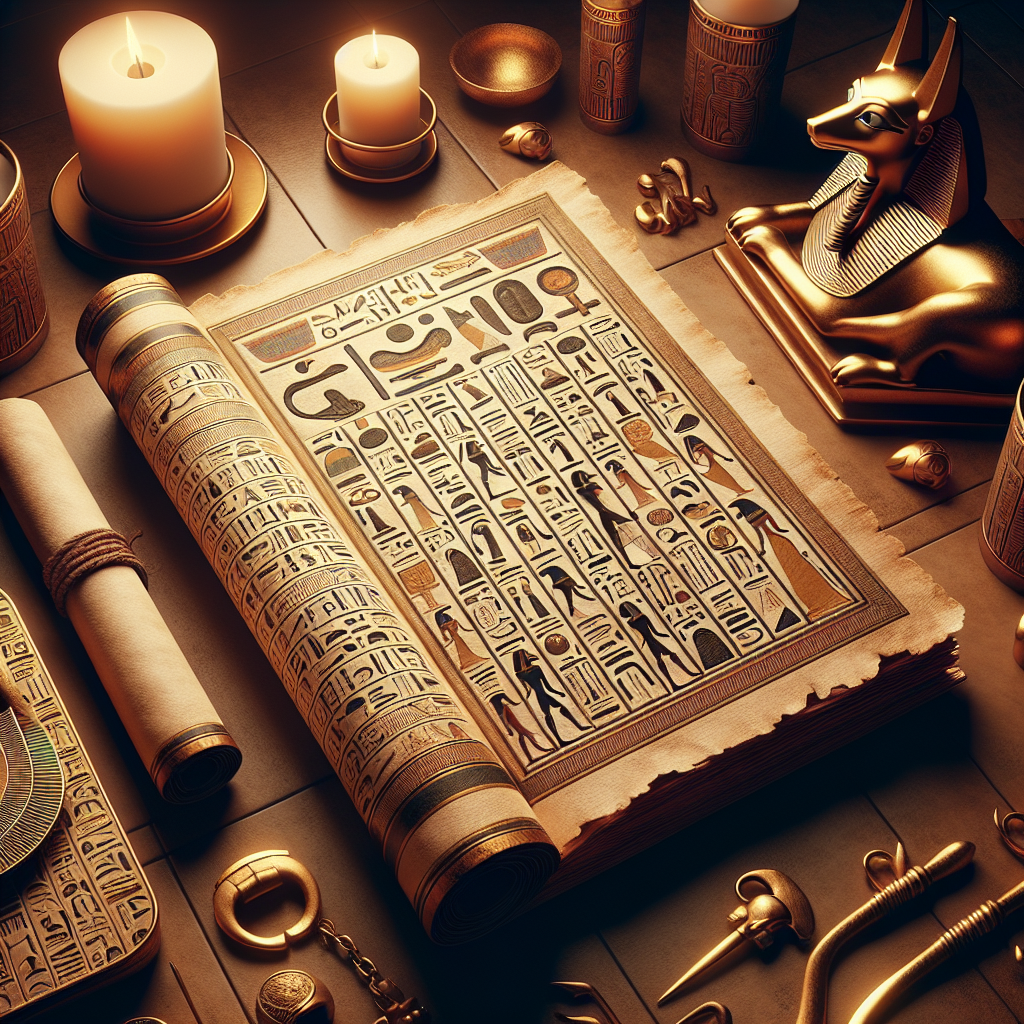
The Book of the Dead, a compilation of ancient Egyptian funerary texts, is one of the most significant and well-known pieces of ancient literature. Composed over a period of several centuries, between 1550 BCE and 50 BCE, this collection served as a guide for the deceased navigating the afterlife. The work not only provides insight into ancient Egyptian beliefs about death and the afterlife but also reflects the social, religious, and cultural values of the civilization. In this article, we will explore the origins, structure, significance, and enduring legacy of the Book of the Dead.
Origins and Historical Context
The Book of the Dead is not a single text but rather a collection of spells and incantations. It evolved from earlier funerary texts, such as the Pyramid Texts and Coffin Texts. The Pyramid Texts, found in the burial chambers of kings, date back to around 2400 BCE and primarily served the elite. By the Middle Kingdom (around 2050-1650 BCE), the Coffin Texts made their appearance, which were more inclusive and available to nobility and wealthy individuals. However, it wasn’t until the New Kingdom (around 1550-1070 BCE) that the Book of the Dead took its definitive form.
The Book of the Dead was written on papyrus scrolls and often elaborately illustrated, becoming tailor-made for the deceased individual. It was a personalized guide—a custom-made manual for the afterlife based on the beliefs and needs of the person it was meant for. While the title “Book of the Dead” was given in the 19th century by modern scholars, the ancient Egyptians referred to it as “The Coming Forth by Day,” signaling a journey or transition into the afterlife.
Structure and Content
The Book of the Dead consists of around 200 spells, each intended to facilitate the deceased’s passage through the underworld and ensure a successful judgment before Osiris, the god of the afterlife. The texts are highly varied in content, ranging from hymns and prayers to specific rituals and spells.
Key Components:
-
Weighing of the Heart: One of the most famous scenes depicted in the Book of the Dead is the Weighing of the Heart ceremony. In this critical moment, the deceased’s heart is weighed against a feather—symbolizing Maat, the goddess of truth and justice. If the heart is heavier than the feather, it indicates a life of wrongdoing, leading to the soul’s destruction by the monstrous creature Ammit. This moment emphasizes the moral and ethical values of ancient Egyptian society, where the heart’s purity determined one’s fate in the afterlife.
-
Spells for Protection: Many spells in the Book act as protective charms that accompany the deceased. These spells were meant to ward off malevolent spirits, ensuring a safe passage through the underworld. For instance, spells might invoke deities like Anubis, the god of mummification, to protect the dead against dangers encountered along the way.
-
Guidance and Navigation: The Book of the Dead also serves as a navigational guide through the various realms of the underworld. Its spells offer practical instructions for overcoming obstacles, encountering deities, and answering questions posed by divine judges. Knowledge of the text and its spells was believed to provide the deceased with the necessary wisdom and tools for their journey.
-
Afterlife Descriptions: The Book of the Dead contains vivid descriptions of the afterlife, filled with lush landscapes, fields of reeds, and opportunities for continued existence and enjoyment. Scenes of the deceased feasting and socializing with the gods indicate a belief in a continued life filled with joy and abundance.
Cultural and Religious Significance
The Book of the Dead is emblematic of the ancient Egyptians’ profound relationship with death and the afterlife. This text reveals not only spiritual beliefs but also the socio-political dynamics of the time.
-
Moral Framework: The concept of Ma’at, representing order, justice, and truth, governed Egyptian moral philosophy. The Book emphasizes the repercussions of one’s actions during life, underscoring the importance of ethical living and accountability.
-
Social Stratification: While the Book of the Dead was accessible to a wider range of individuals than previous texts, it still reflects the stratification of society. Wealthy families often commissioned more elaborate versions, replete with extensive illustrations and spells. This allowed an insight into social class distinctions regarding funerary practices and beliefs.
-
Cultural Innovations: The Book of the Dead reflects the culmination of centuries of religious thought and artistic expression. The incorporation of rich iconography in the illustrations enhances the texts and aids in their interpretation, making them easy to read and understand during the afterlife journey.
Enduring Legacy
The cultural impact of the Book of the Dead extends well beyond ancient Egypt. Its influence can be seen in religious thought, art, and literature throughout history.
-
Inspiration for Other Cultures: The themes of moral judgment and afterlife concepts in the Book of the Dead resonate with various spiritual and religious traditions around the world. The idea of a judgment after death shares similarities with concepts found in Christianity, Islam, and other belief systems.
-
Continued Scholarly Interest: The text has intrigued scholars, archaeologists, and Egyptologists since its rediscovery. Various manuscripts have been translated, studied, and debated, offering insights into ancient Egyptian philosophy, religion, and daily life.
-
Artistic Representations: The aesthetics of the Book of the Dead have inspired contemporary artists and writers, leading to reinterpretations that keep ancient Egyptian culture alive in modern narratives.
Conclusion
The Book of the Dead remains a testament to the complexity and richness of ancient Egyptian belief systems. Its spells and illustrations provide a unique glimpse into how the Egyptians understood life, death, and the journey beyond. By preserving and disseminating this knowledge, the Book of the Dead continues to enlighten us about the profound connections between humanity, morality, and the afterlife. As we decode its mysteries, we also uncover the enduring legacy of a civilization that sought to define existence, transcendence, and the ultimate quest for immortality.