The Myth of Osiris: Understanding Its Symbolism
The Myth of Osiris: Understanding Its Symbolism
The myth of Osiris is one of the most enduring narratives in ancient Egyptian mythology, encapsulating themes of death, resurrection, and the cyclical nature of life. Osiris, a god associated with the afterlife, fertility, and agriculture, symbolizes the interplay between life and death, and his story has profound implications on both ancient Egyptian society and modern interpretations of mythology.
The Story of Osiris
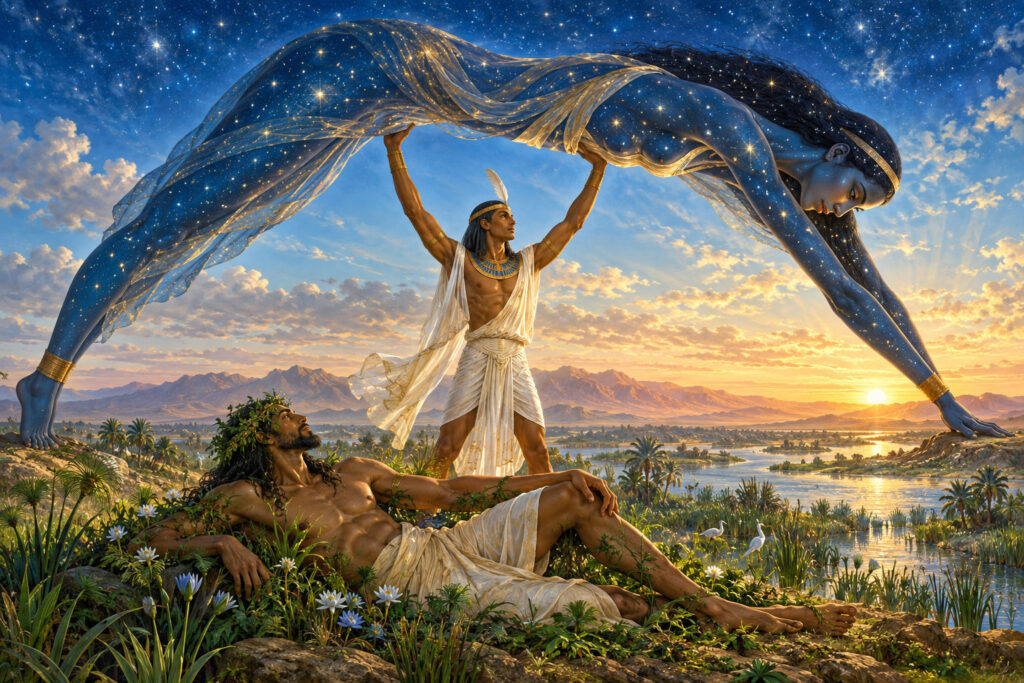
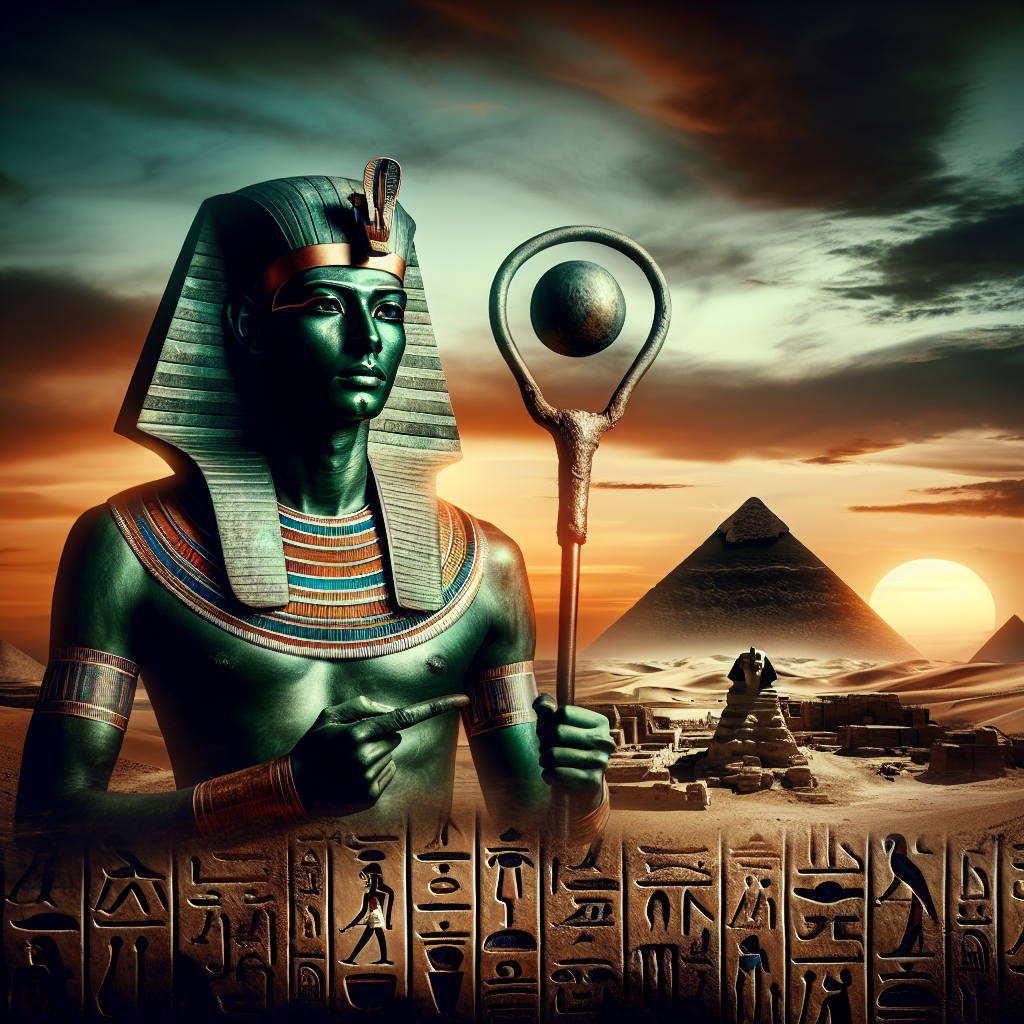
The narrative of Osiris begins with his birth as the son of Geb (the Earth) and Nut (the Sky), making him an integral figure within the Egyptian pantheon. Osiris is often depicted as a green-skinned deity, embodying fertility and rebirth, and is commonly associated with agriculture, particularly the flooding of the Nile, which was vital to Egyptian sustenance.
Osiris’s story takes a tragic turn when his brother, Set, filled with jealousy and ambition, kills him. Set’s actions are emblematic of chaos and disorder, contrasting with the order and harmony that Osiris represents. In a horrifying betrayal, Set dismembers Osiris and scatters his body parts throughout Egypt. This act of violence and dismemberment signifies a profound disruption in the cosmic order, a theme prevalent in many mythologies that illustrate the confrontation between chaos and fertility.
The Role of Isis
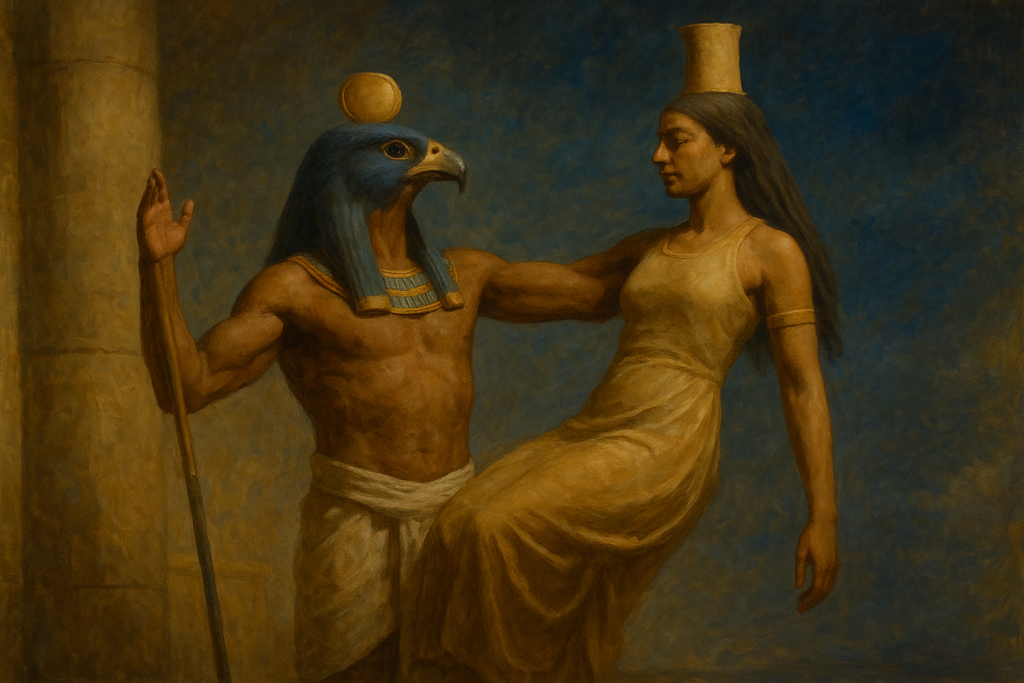
Isis, Osiris’s devoted wife, plays an essential role in the myth. Undeterred by her husband’s death, she embarks on a harrowing quest to recover his scattered remains. Her determination embodies the themes of love, loyalty, and the power of feminine energy in ancient narratives. Throughout her journey, Isis’s character serves as an archetype of the nurturing mother and powerful sorceress, emphasizing the significance of regeneration and the transformative power of love.
When she finally locates the last piece of Osiris—a phallus that had been consumed by a fish—Isis uses her magical abilities to reassemble and revive him effectively. This act not only symbolizes the cyclical nature of life and death but also demonstrates the inherent strength found in love and perseverance. Through her efforts, Osiris is resurrected, not as a god of the living but as the ruler of the Underworld, overseeing judgment and maintaining the balance of life after death.
Symbolism of the Myth
The myth of Osiris resonates with multiple layers of symbolism, making it a significant narrative in both ancient Egypt and contemporary interpretations of mythology.
Life, Death, and Resurrection
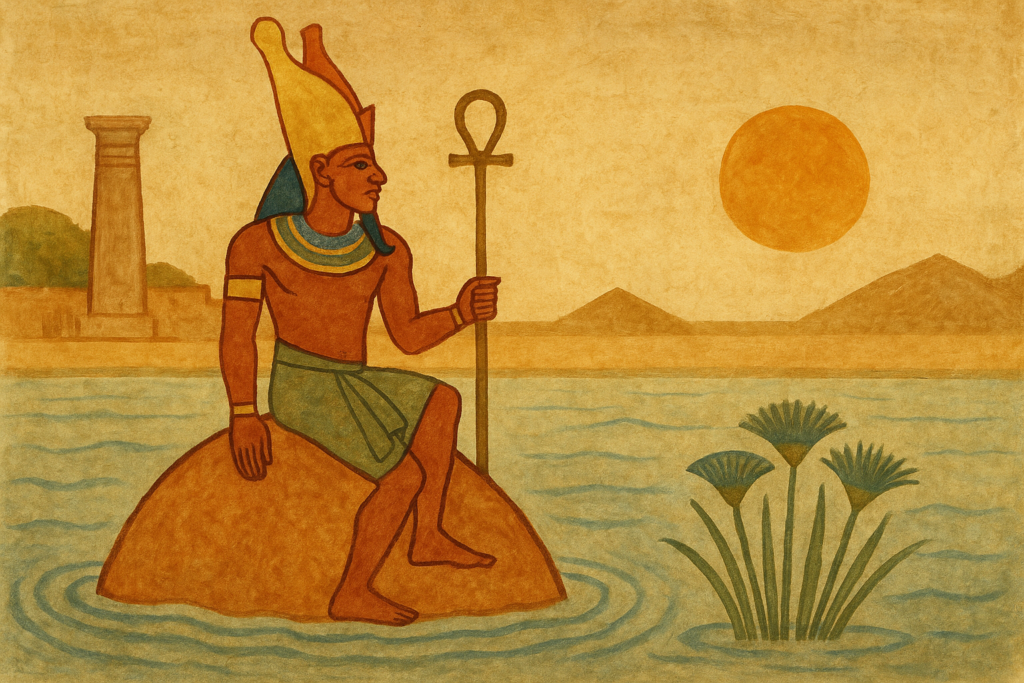
At the core of Osiris’s symbolism is the cycle of life, death, and rebirth. His resurrection is emblematic of the agricultural seasons, particularly the flooding of the Nile, which brought fertility to the land. The annual cycle of planting and harvesting mirrors the cyclical nature of Osiris’s life; the myth serves as a reminder that from death emerges life. This cyclical worldview was fundamental to ancient Egyptian beliefs, which held that the soul could achieve immortality through these cycles.
Order vs. Chaos
The conflict between Osiris and Set highlights the struggle between order and chaos. Osiris, embodying harmony and fertility, stands in stark contrast to Set’s chaotic and destructive nature. This duality is reflective of the societal values upheld in ancient Egyptian culture, where maintaining Ma’at—truth, balance, and cosmic order—was paramount. The struggle within the myth serves not only as a cosmic battle but also as a guide for individuals, reflecting the human experience of grappling with inner and outer conflicts.
Gender Dynamics
Isis’s role in the myth underscores the complexity of gender dynamics within ancient Egyptian society. While Osiris embodies the godly archetype of the male creator and sustainer, Isis represents the life-giving force and maternal protector. The interplay between these divine figures illustrates the multifaceted nature of gender roles, suggesting that both masculine and feminine energies are essential in the pursuit of balance and harmony.
Cultural Impact
The myth of Osiris permeated ancient Egyptian culture, influencing religious practices, funerary customs, and literature. Osiris became a central figure in the Egyptian pantheon, and his resurrection was celebrated in festivals, most notably the Osiris Mysteries. These rituals not only reinforced the belief in the afterlife but also served as a form of communal bonding, emphasizing the importance of collaborative efforts towards achieving prosperity and harmony.
In funerary practices, Osiris represented the ideal of resurrection and immortality, with worshippers aspiring to be united with him in the afterlife. The inscription “to be like Osiris” became a common aspiration, highlighting the impact of his story on individual beliefs and the collective psyche of ancient Egyptians.
Modern Interpretations
Today, the myth of Osiris continues to resonate across cultures, attracting scholars and enthusiasts interested in the lessons it imparts. The themes of death, rebirth, and the dichotomy of order and chaos have found their way into various artistic and literary expressions. The story has been reinterpreted in modern narratives, serving as an archetype of personal transformation and the universal quest for meaning in the face of mortality.
Additionally, contemporary discussions surrounding the archetypes presented in the Osiris myth intertwine with psychological theories, particularly those expounded by Carl Jung. The conflict between Osiris and Set may illustrate the Jungian concept of the Shadow—the darker aspects of the psyche that must be acknowledged and integrated to achieve balance and self-realization.
Conclusion
The myth of Osiris is far more than a tale of gods and cosmic battles; it is a rich tapestry woven with themes that continue to resonate today. From its exploration of the cycles of life and death to the interplay of order and chaos, Osiris’s story encapsulates the fundamental human experience. As we reflect on its symbolism, we gain insights into our own lives, recognizing the eternal struggle for balance, the power of love, and the hope of rebirth that lies at the heart of our existence.