Fertility and Agricultural Myths in Ancient Egypt
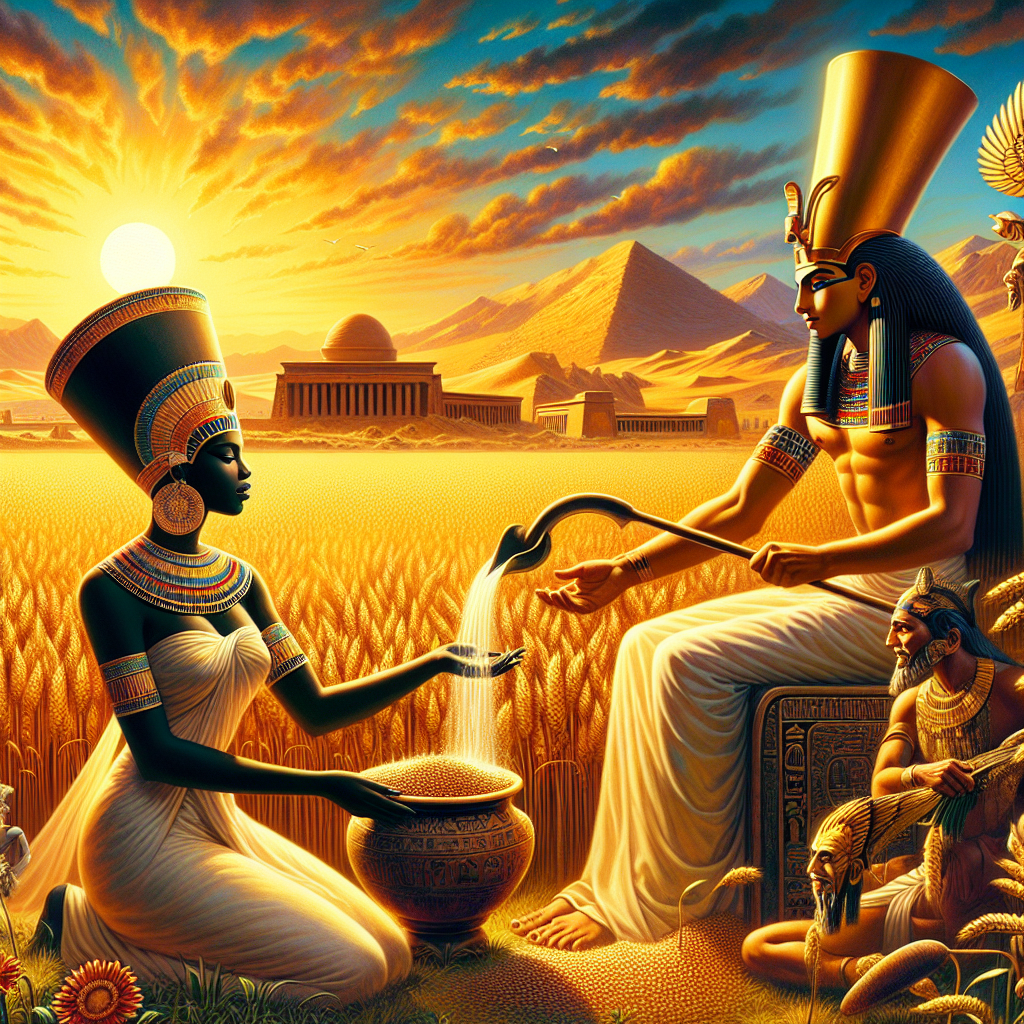
Ancient Egypt, a civilization flourishing for thousands of years along the banks of the Nile, is well-regarded for its intricate cultural tapestry, especially its mythological narratives surrounding fertility and agriculture. The ancient Egyptians viewed their environment and agricultural practices through a lens of spirituality, which permeated their mythology. Fertility in agriculture was crucial for survival, and mythological tales provided not only explanations but also rituals that aimed to appease the deities governing these vital areas.
The Nile: Sacred Lifeblood of Egypt
Central to Egyptian agricultural myth is the Nile River, often regarded as the lifeblood of the civilization. The annual flooding of the Nile, known as the inundation, was critical for boosting soil fertility and ensuring a bountiful harvest. Egyptians believed this cyclical flooding was a manifestation of divine intervention, primarily orchestrated by the god Hapi, the deity of the Nile.
According to myth, Hapi was a benevolent god associated with the growth of crops and the fertility of the land. Represented as a plump man with blue-green skin, Hapi was considered the personification of the rich, silt-laden waters deposited by the Nile. Farmers would honor Hapi through offerings and prayers in anticipation of the inundation, which they believed ensured bountiful harvests.
The seasonal rhythm of the Nile was reflected in agricultural practices and rituals. The flooding was not merely a physical phenomenon; it was embedded in the cultural psyche of the Egyptians, linking their agricultural success to the favor of the gods. This divine connection highlights the interplay between natural cycles and spirituality, demonstrating that fertility was both a physiological process and a religious experience.
Osiris: The God of Fertility and Agriculture
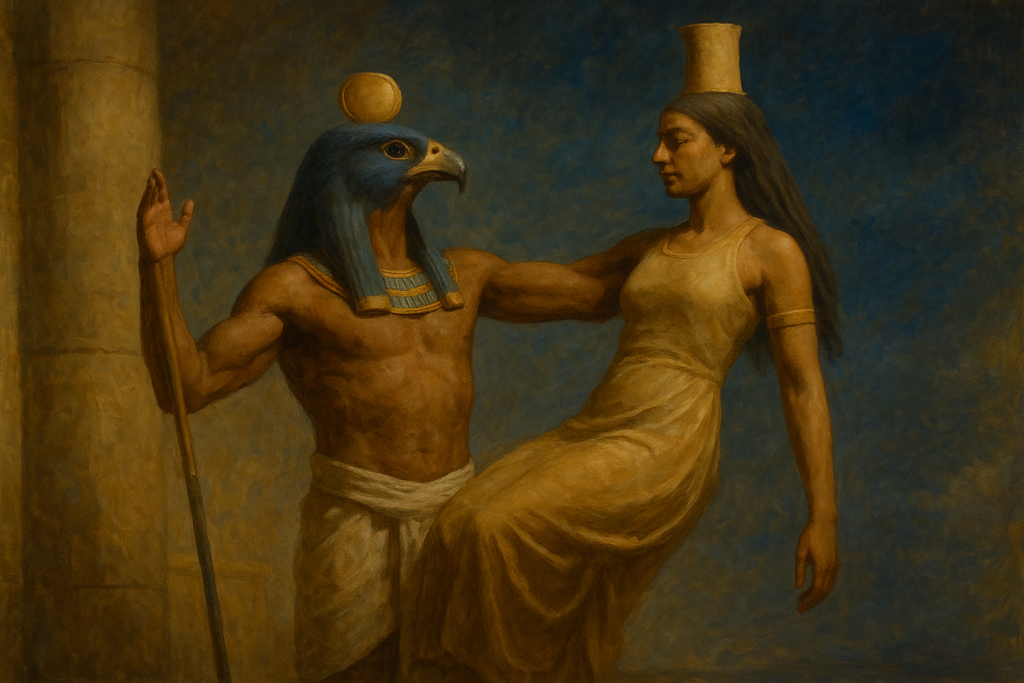
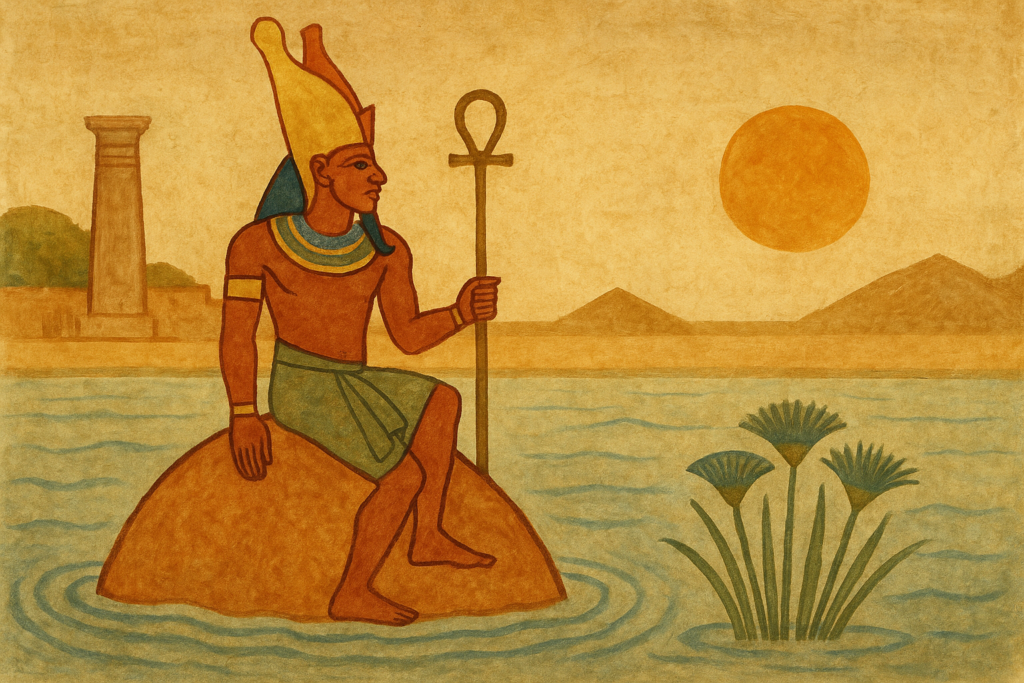
Another prominent figure in the mythology of fertility is Osiris, one of the most revered deities in the Egyptian pantheon. Osiris was associated with regeneration, fertility, and agriculture, embodying the annual cycle of growth, death, and rebirth. According to myth, Osiris was murdered by his brother Set, who was envious of his power, but was later resurrected by his wife, Isis. This tale symbolizes the fertility cycle: the death of crops in winter followed by the rebirth in spring.
Osiris’s resurrection was particularly significant for the agricultural calendar. The sowing of seeds corresponded with the myth of Osiris, linking the act of planting with divine intercession. Farmers would engage in rituals that paid homage to Osiris during planting seasons, invoking his blessing for a fruitful harvest. Consequently, Osiris became a crucial symbol of hope and life, reminding farmers that even after death – be it of crops or in life – renewal was possible.
Isis: The Goddess of Fertility
Isis, the wife of Osiris and a goddess associated with motherhood and fertility, played an essential role in fertility myths. Her image was often linked to cultivation and harvest, reflecting her nurturing and protective qualities. In many myths, Isis was also depicted as the giver of life, making her integral to agricultural success.
The myth of Osiris and Isis brought forth the concept of the divine mother, emphasizing the need for care and nurturing in both human life and agriculture. Farmers sought Isis’s favor through rituals intended to ensure the proper growth of crops. Statues of Isis were placed in fields, and farmers prayed for her blessings to ensure that grains flourished.
The mythology surrounding Isis extended into rituals that celebrated fertility in humans as well as the land. The Egyptians believed that to thrive agriculturally, harmony between human life and nature needed to be maintained, reflecting a holistic view of fertility.
The Importance of Festivals
Ancient Egyptians marked the agricultural calendar with several festivals that underscored their reverence for fertility, harvests, and the associated deities. The Festival of Opet, for instance, celebrated the flooding of the Nile and the growth of crops. During this time, the statues of Amun, Mut, and Khonsu were paraded along the Nile, representing the divine blessings for fertility and prosperity.
Similarly, the Wepet-Renpet, or the New Year, was a key festival marking the arrival of the Nile flood. This period was steeped in rituals aimed at securing a bountiful harvest. Offerings to gods and participation in public rites highlighted the collective belief in divine provision for agricultural fertility, revealing the community’s interdependence on the natural and spiritual worlds.
Symbolism in Agriculture
Symbols deeply entrenched in Egyptian mythology often connected to agricultural practices. The ankh, representing life, was frequently used in rituals to ensure the vitality of both people and vegetation. Similarly, the scarab beetle symbolized transformation, resurrection, and the cycle of life. This symbolism extended to agricultural practices, where the scarab was often invoked for prosperity in farming.
Many Egyptian farmers also employed rituals involving seeds that echoed the actions of gods. For example, the act of burying seeds in the ground resembled the resurrection narrative of Osiris, signifying hope and renewal as the seeds transformed into crops. This practice highlighted the depth of belief that intertwined their agricultural experiences with divine stories, thus enriching the cultural significance of farming.
Conclusion
Fertility and agriculture in ancient Egypt were woven intricately into the fabric of their mythology, reflecting a profound spirituality that underpinned their existence. The annual flooding of the Nile, the tales of Osiris and Isis, and the dynamics of ritual and festival blended together to create a rich narrative framework that provided meaning and structure to their agricultural practices.
These myths were not merely stories; they were manifestations of a deep-seated belief in the interconnection between the divine, the cycles of nature, and human life. As a civilization, ancient Egyptians affirmed their reliance on the divine for agricultural fertility, showcasing a powerful blend of spirituality and practical survival that continues to resonate in discussions about agriculture and society today.