The Sacred Animals of Egypt: Divine Symbols and Their Meanings

Ancient Egypt, with its rich tapestry of mythology, culture, and religious belief, revered a diverse pantheon of deities, many of whom were embodied in animal forms or closely associated with specific animals. The sacred animals of Egypt were not mere subjects of worship; they were integral to the fabric of ancient Egyptian life, serving as powerful symbols that conveyed various attributes and divine influences. This article explores some of the most significant sacred animals in ancient Egypt, delving into their meanings, associations, and roles in Egyptian society.
1. The Cat: Goddess Bastet
One of the most beloved animals in ancient Egypt was the cat, symbolized by the goddess Bastet. Represented as a lioness or as a woman with the head of a lioness or domestic cat, Bastet was the goddess of home, fertility, and childbirth, as well as the protector of the pharaoh and a goddess of war. Cats were highly regarded for their grace, hunting skills, and ability to control vermin, which protected food supplies.
In ancient Egyptian households, cats were often kept as pets and were considered bringers of good fortune. Killing a cat, even accidentally, was met with severe penalties, reflecting their elevated status. After the death of a cat, families often mourned and would keep the deceased animal’s remains in a dedicated burial area. This reverence for cats greatly influenced their legacy, leading to their status as symbols of protection and motherhood.
2. The Falcon: Horus
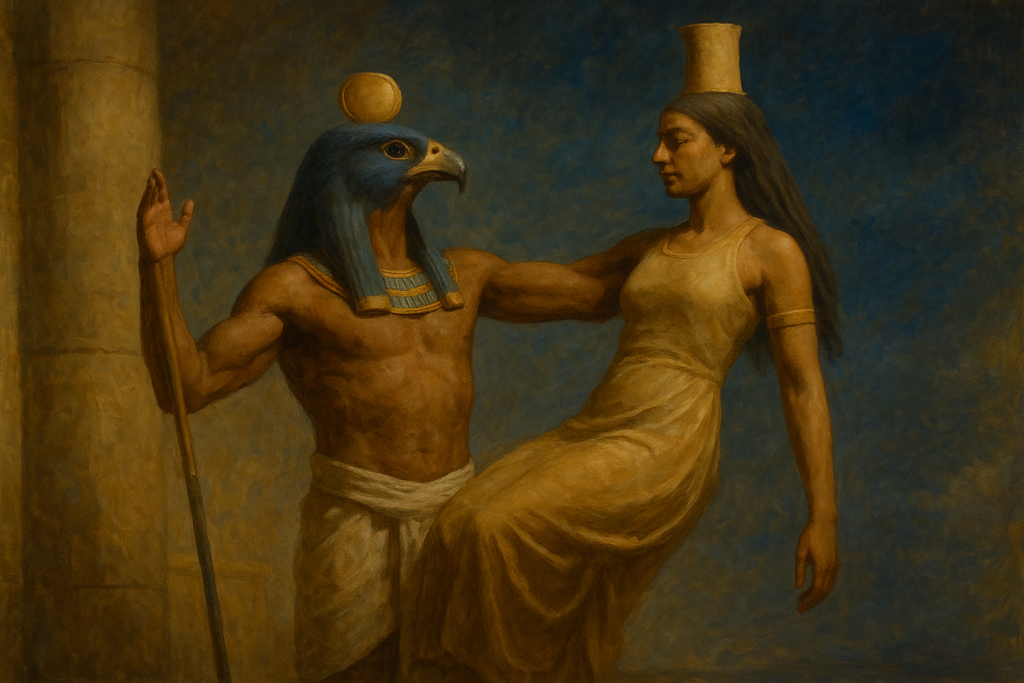
Horus, one of the most important deities of ancient Egypt, was often depicted as a falcon or as a man with a falcon’s head. As the god of the sky, war, and protection, Horus was primarily associated with the living pharaoh, who was believed to embody Horus during his reign. He was also the son of Osiris and Isis, symbolizing resurrection and the eternal cycle of life.
Horus’s connection to the falcon underscored its attributes of sharp vision and keen hunting abilities, symbolizing a watchful protector. The Eye of Horus, a powerful protective symbol, represented healing, protection, and royal power, often seen in jewelry and amulets. This eye was believed to ward off evil and ensure safety in both life and the afterlife.
3. The Ibis: Thoth
The ibis, with its distinctive long neck and long beak, was sacred to Thoth, the god of wisdom, writing, and magic. Frequently depicted as a man with the head of an ibis or as an ibis itself, Thoth was instrumental in the processes of knowledge and communication. He was often invoked in rituals concerning the afterlife and was credited with the invention of writing and the hieroglyphic script.
Thoth’s association with the ibis reflects themes of intelligence and understanding. The bird’s ability to wade through water and mud symbolizes the connection between the earthly world and the divine realm, exemplifying the balance of knowledge and mysticism. Thoth played a vital role in the judgment of the dead, scribbling the deeds of souls during the weighing of the heart ceremony, solidifying the importance of his teachings in both the living and the afterlife.
4. The Cobra: Wadjet
The sacred cobra, known as the Uraeus, was emblematic of the goddess Wadjet, a protective entity often represented as a cobra or a woman with a cobra on her head. Wadjet was associated with the land of Lower Egypt and represented the protective aura of royalty. The Uraeus was frequently depicted on the crowns of the pharaohs, signifying their divine authority and protection from enemies.
In ancient Egyptian mythology, the cobra was revered for its ability to strike swiftly and defensively, embodying the idea of a fierce protector. Wadjet’s presence was linked to safeguarding the nation, and her imagery was often invoked on military campaigns to ensure victory and security.
5. The Jackal: Anubis
Anubis, the jackal-headed god, played a crucial role in ancient Egyptian funerary practices. As the god of embalming and the protector of the dead, Anubis was associated with the afterlife. Jackals, often seen scavenging around cemeteries, reinforced Anubis’s connection to burial and death, symbolizing the transition between life and the hereafter.
In art, Anubis is depicted as a black jackal or a man with a jackal’s head, a color associated with fertility and rebirth. He presided over the embalming process and guided souls to the judgment scene, bolstering the importance of ritual and respect for the dead in ancient Egyptian culture.
6. The Cow: Hathor
Hathor, the goddess of motherhood, love, and joy, was often symbolized by a cow or a woman with cow horns and a sun disk on her head. Revered as a nurturing figure, Hathor represented femininity and fertility, and her sacred animals were not only associated with motherhood but also with music and dance, signifying joy and celebration.
The cow was integral to agrarian society in ancient Egypt, providing milk, labor, and a vital food source. Hathor’s auspicious nature as a goddess of nourishment extended to both spiritual and physical sustenance, illustrating the connection between nurturing, abundance, and love.
7. The Crocodile: Sobek
Sobek, the crocodile god, represented power, strength, and the might of the Nile. Often depicted as a man with the head of a crocodile, Sobek was worshipped particularly in relation to fertility, water, and military might. As the Nile’s waters brought life to the land, Sobek was celebrated during the annual flooding of the river, which rejuvenated agriculture and life in Egypt.
Crocodiles were both revered and feared in ancient Egypt; their dual nature rendered them symbols of protection and danger. Sobek’s aspect of ferocity as a protector and avenger reinforced the complexity of divine symbolism in ancient Egyptian thought.
Conclusion
The sacred animals of ancient Egypt embody a profound interplay of symbolism, representing not only the natural world but also the intricate beliefs and values of a civilization that revered the divine in all forms. From the protective grace of the cat to the fierce guardianship of the jackal, these creatures were more than mere symbols; they were conduits of spiritual power and cultural significance, illuminating the ways in which ancient Egyptians understood and interacted with their mythology and the world around them. Through these animals, we glimpse the enduring legacy of a civilization where the divine permeates the everyday, and nature intertwines with the sacred.