The Feminine Divine: Exploring the Goddesses of Ancient Egypt
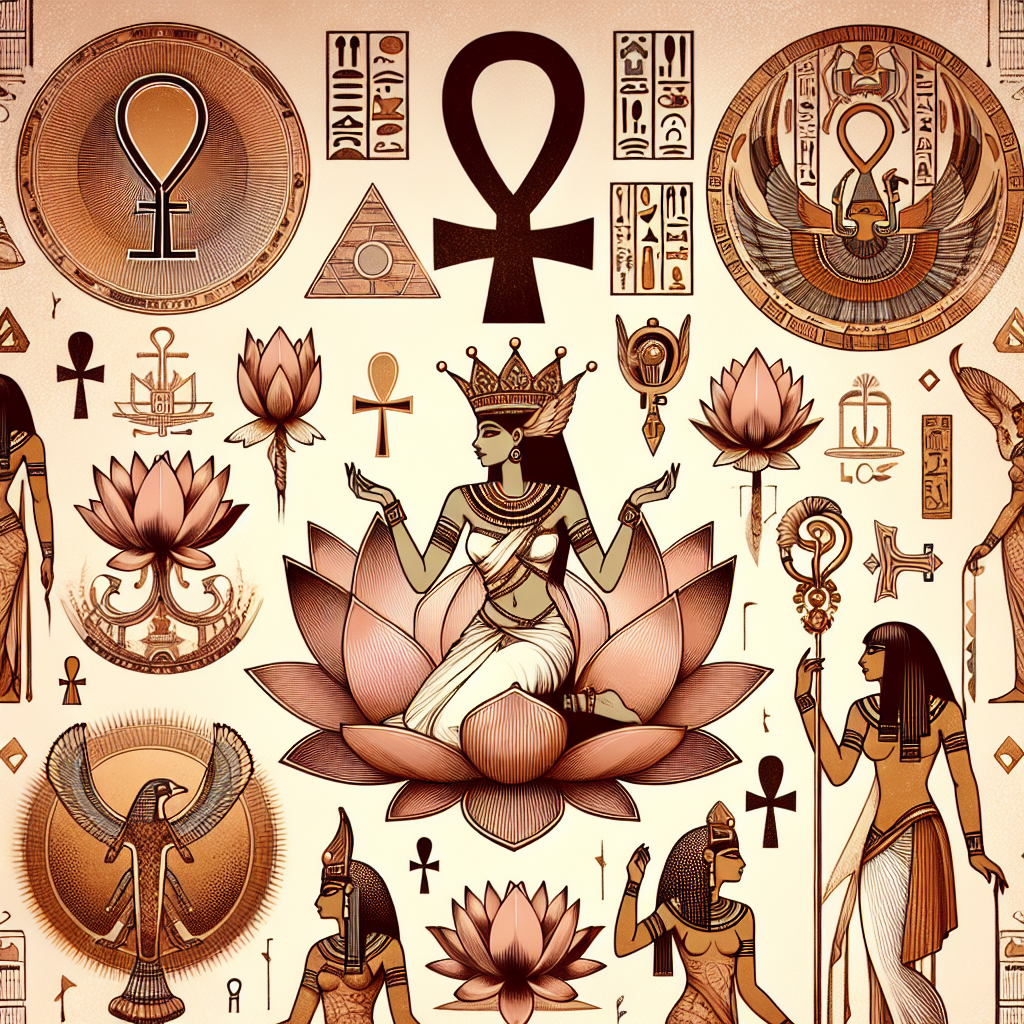
Ancient Egypt, a civilization renowned for its monumental architecture, complex society, and deep spirituality, also boasts a rich pantheon of deities that played a vital role in the daily lives and beliefs of its people. Among these deities, the goddesses of ancient Egypt stand out, embodying various aspects of life, nature, and the human experience. The feminine divine in this ancient culture was not just a passive participant but a powerful force that shaped creation, guided the dead, and ensured fertility and prosperity on Earth.
The Role of Goddesses in Ancient Egyptian Society
The goddesses of ancient Egypt were multifaceted figures, often associated with specific aspects of life. They could represent motherhood, fertility, war, wisdom, or the mysteries of the universe. Unlike some other ancient religions where female deities were often relegated to subservient roles, Egyptian goddesses held significant power and were often worshipped alongside male gods. This duality highlighted the importance of balance between masculine and feminine energies in the cosmos.
Goddesses were not just revered in temples but were also integrated into daily life, from household worship to funerary practices. They were invoked for protection, guidance, and blessings, showcasing a society that understood the importance of honoring both male and female divine energies.
Key Goddesses of Ancient Egypt
1. Isis
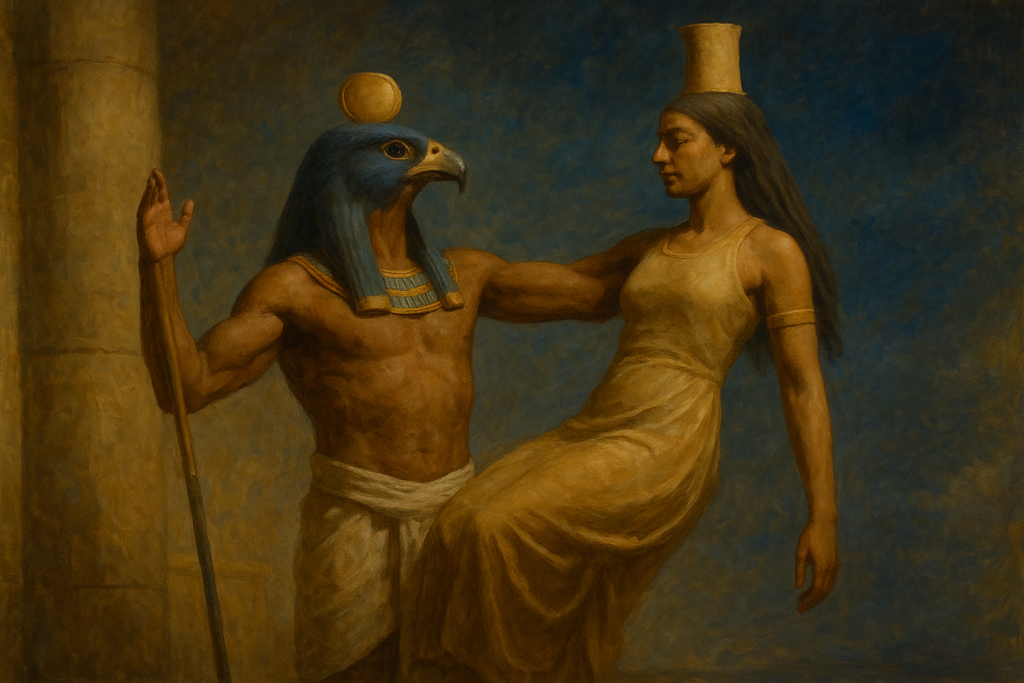
Perhaps the most famous of the Egyptian goddesses, Isis was revered as the goddess of magic, motherhood, and fertility. She was known as a protector of the downtrodden and an advocate for the oppressed. The daughter of Geb (Earth) and Nut (Sky), and sister-wife of Osiris, Isis played a crucial role in the resurrection myth of Osiris. After Osiris was killed and dismembered by his brother Seth, Isis collected his pieces and brought him back to life. This act of both love and magic established her as a quintessential figure of resurrection and healing.
Isis’s influence extended beyond her mythology; she was worshipped throughout Egypt and into the Roman Empire, where her cult acquired many followers. Her image often depicted her nursing her son, Horus, emphasizing her role as a divine mother and nurturing figure.
2. Hathor
Hathor, the goddess of love, beauty, music, and motherhood, was one of the most beloved deities in the Egyptian pantheon. Often depicted as a cow or wearing a cow’s horns, she embodied the nurturing aspects of femininity. Hathor was also associated with joy, dance, and music, serving as a patroness of fertility and childbirth.
The ancient Egyptians celebrated Hathor through festivals filled with music and feasting, highlighting her connection to joy and celebration. She was often seen as a protective deity who could ward off evil spirits and bring blessings to her devotees.
3. Sekhmet
In striking contrast to the nurturing qualities of Hathor, Sekhmet was the fierce goddess of war and healing. Depicted with a lioness’s head, she embodied both destruction and protection. As a warrior goddess, Sekhmet was believed to lead the pharaohs into battle and ensure victory. However, she also possessed the power to heal, demonstrating the duality of femininity present within ancient Egyptian beliefs.
Her worship was often tied to the well-being of the state, where her fiery nature could be both a guardian and an agent of chaos. Temples dedicated to Sekhmet were noted for their healing capabilities, as she was sought for her ability to cure ailments.
4. Ma’at
Ma’at represented the concepts of truth, justice, and cosmic order in ancient Egypt. Often depicted as a woman wearing an ostrich feather, she was not only a goddess but also a vital principle that guided the functioning of the universe. The pharaohs invoked Ma’at in their rule, ensuring that their actions aligned with the principles of harmony and balance that she symbolized.
In the afterlife, the heart of the deceased was weighed against Ma’at’s feather to determine their fate. If the heart was found to be lighter than the feather, it signified a life lived in truth and justice, allowing entry into the afterlife.
5. Nut
Nut, the goddess of the sky, epitomized the endless stretch of the heavens. She was depicted as a woman arched over the earth, her body adorned with stars, symbolizing the cyclical nature of life and death. Nut was integral to creation myths, as she was believed to have given birth to the sun each day and swallowed it each night, providing a continuous cycle of renewal.
Her imagery frequently intersected with the themes of rebirth and the agricultural cycles that were central to Egyptian life, representing the nourishing aspects of the cosmos.
The Intersection with Feminism
The reverence for the feminine divine in ancient Egypt offers a fascinating lens through which to explore themes of gender, power, and spirituality. Unlike many contemporary religions where patriarchy can dominate narratives of divinity, ancient Egypt’s acknowledgment of female goddesses as powerful figures signifies a complex understanding of gender dynamics.
Women in ancient Egypt could hold significant societal roles, including serving as priestesses, and in some periods, they could even reign as pharaohs. Figures like Hatshepsut and Cleopatra demonstrate the potential for female leadership in a society that worshipped powerful goddesses.
Conclusion
The goddesses of ancient Egypt present a vivid tapestry of the feminine divine, woven into the very fabric of daily life, spirituality, and governance. Each goddess represented different attributes and powers, showcasing a culture that celebrated the complexity and strength of femininity. As modern society reflects on the roles of women and divine feminine energy, the legacies of these ancient goddesses continue to inspire and resonate across cultures and generations, reminding us of a time when the divine feminine was honored as an essential force in the universe. Through the exploration of these goddesses, we not only gain insight into ancient Egyptian beliefs but also inspire a renewed appreciation for the sacred feminine in the world today.