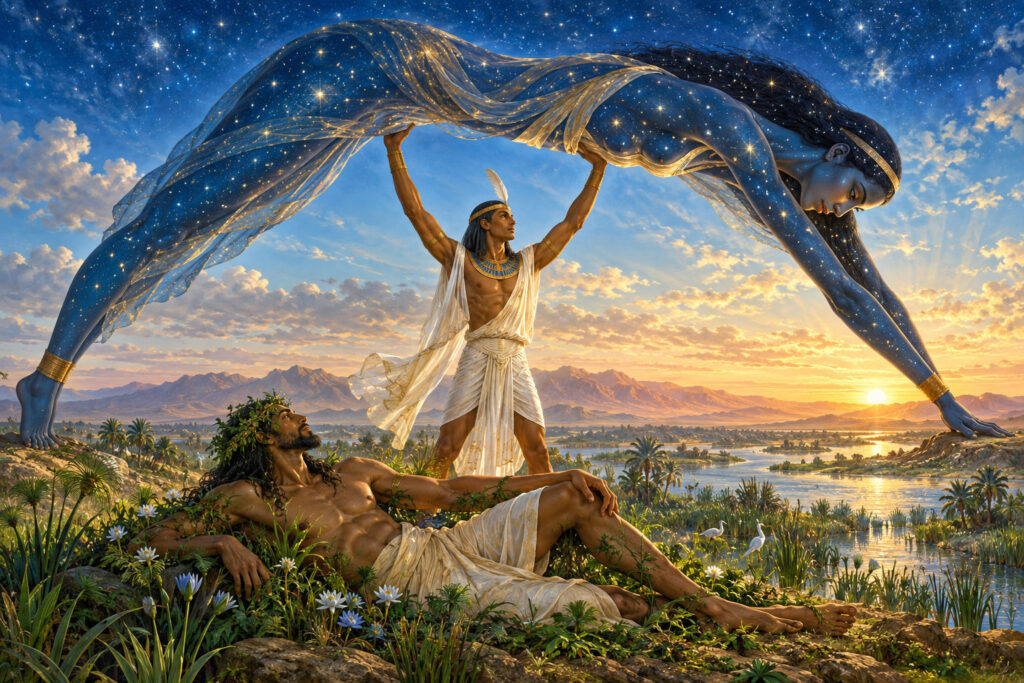
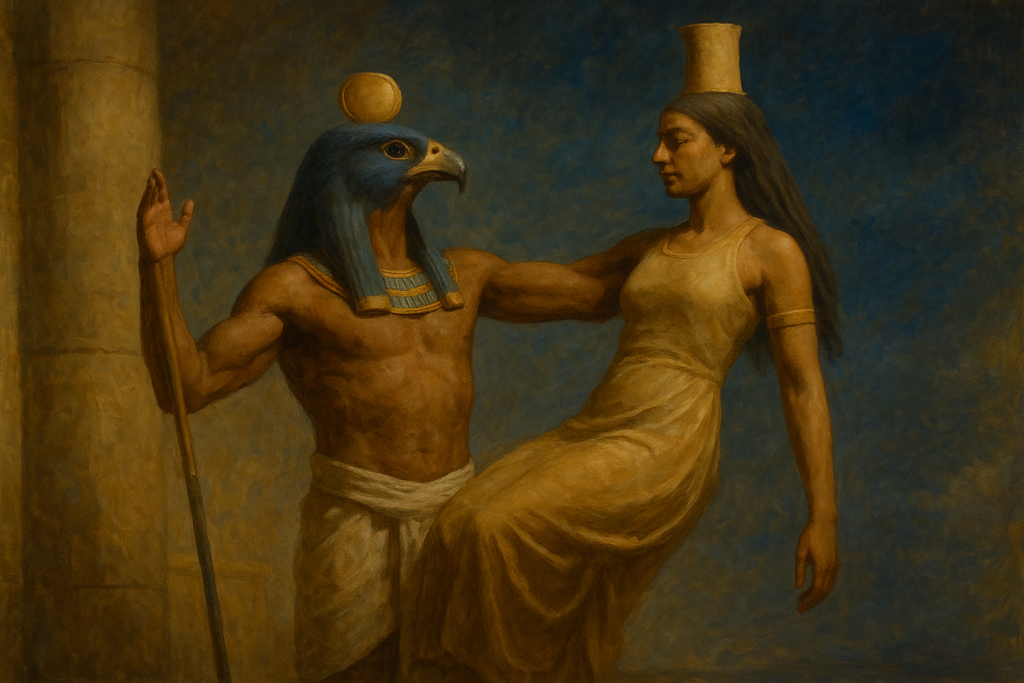
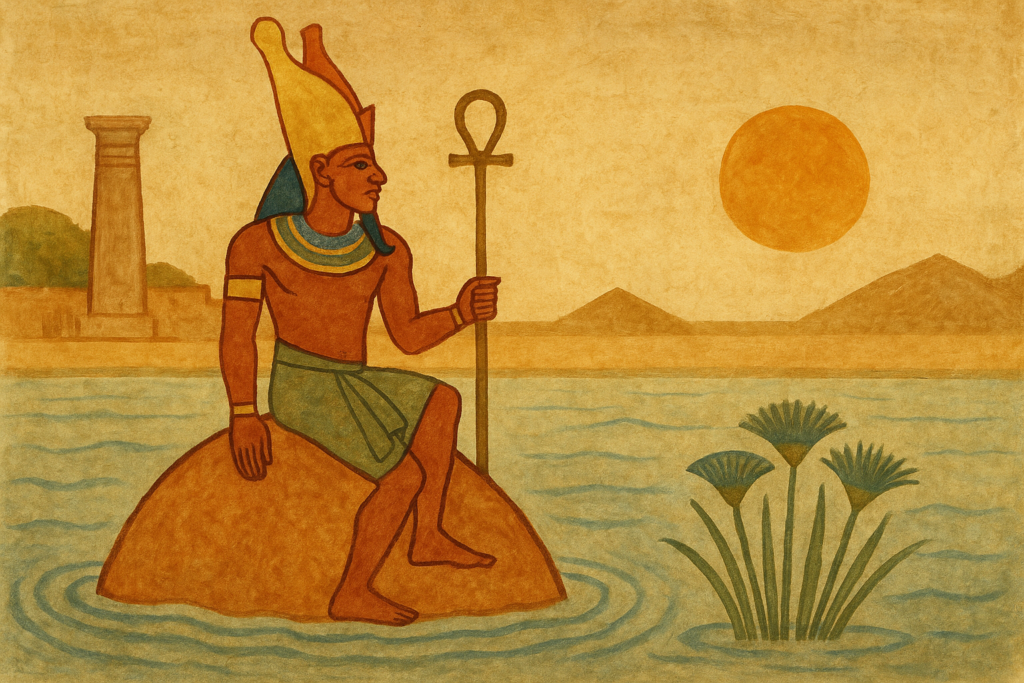
Exploring the Concept of the Soul: Ba, Ka, and Akh
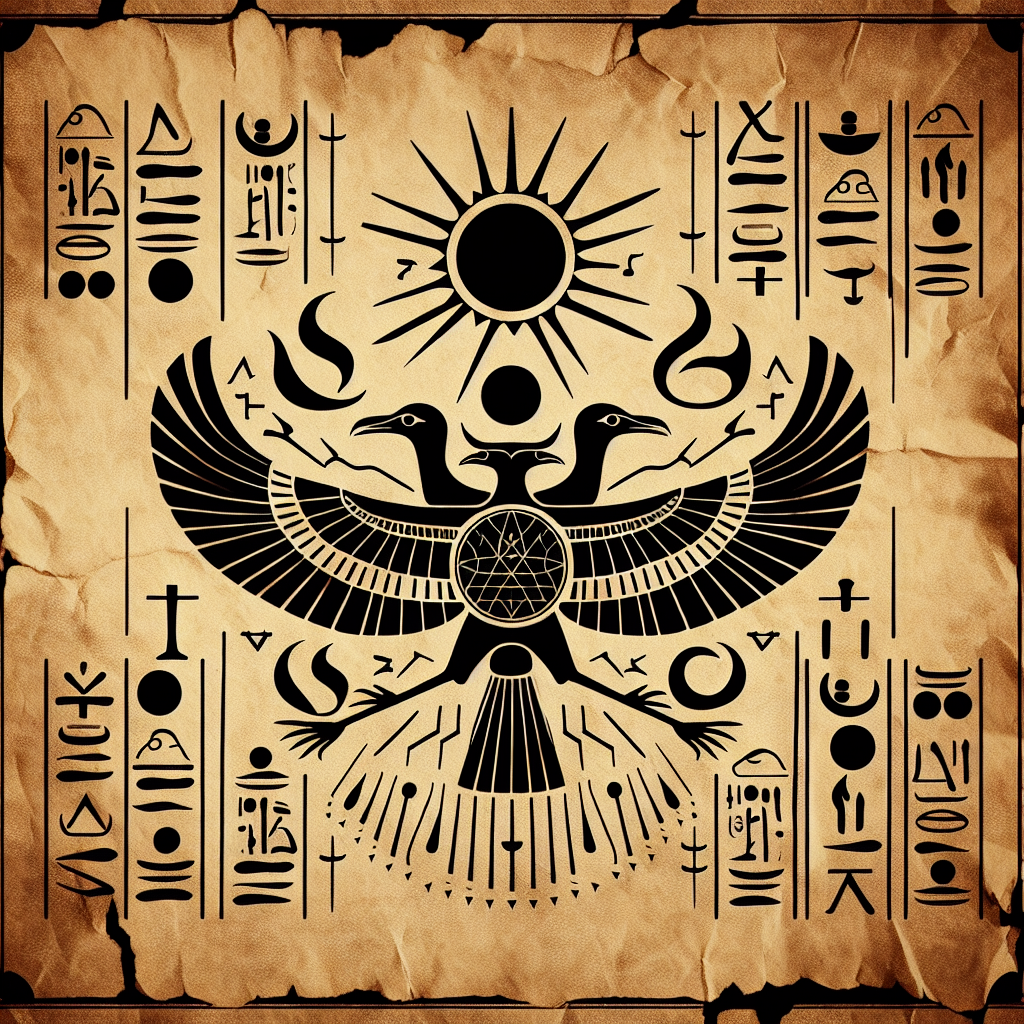
The notion of the soul is as ancient as human civilization itself, deeply rooted in various cultural understandings of existence, consciousness, and the afterlife. Among these concepts, the ancient Egyptians’ views on the soul—primarily encapsulated in their terms Ba, Ka, and Akh—represent a rich tapestry of spiritual, philosophical, and religious beliefs. This article delves into these three crucial components of the soul within ancient Egyptian thought, illuminating their meanings, interrelations, and implications for life and the afterlife.
The Nature of the Soul in Ancient Egypt
Ancient Egyptian society exhibited a profound reverence for the afterlife, which was closely intertwined with their understanding of the soul. While different cultures might compress the concept of the soul into a single entity, the Egyptians fragmented it into several components. Each of these aspects played a unique role in the continuum of life, death, and rebirth.
The Ba
The Ba is often described as the individual personality or essence, akin to what we might understand as the “spirit.” It is frequently depicted as a human-headed bird, symbolizing the ability of the Ba to travel between the earthly realm and the divine. This aspect of the soul was believed to persist after death, allowing the deceased to engage with the living while also moving on to the afterlife.
Importantly, the Ba retained a connection to the body, suggesting that the physical form was an essential aspect of one’s identity. Rituals, offerings, and mummification practices were not merely for glorifying the dead but were integral to preserving the Ba’s connection to its earthly existence. The well-being of the Ba depended on the ongoing efforts of the living to honor the deceased through continued rituals and remembrance.
The Ka
The Ka represents a different component of the soul, often likened to one’s life force or vital energy. It is thought of as the double of the individual, a spiritual twin that accompanies a person throughout life. Upon death, the Ka was believed to remain in the tomb, requiring sustenance—especially in the form of offerings—to thrive.
The belief in the Ka further complicated the Egyptians’ understanding of the afterlife, as it necessitated a means of ensuring the sustenance of both the Ba and Ka after death. The dual existence of the Ba and Ka underscored the Egyptians’ understanding of the human experience in a way that interwove the physical with the metaphysical.
The Akh
The Akh represents the culmination of the other two components—Ba and Ka—and can be seen as the transformed or perfected spirit that emerges after death. It signifies a state of enlightenment and harmony, a spiritual ascension that allows one to access the divine realm. In this way, the Akh becomes a bridge between the earthly world and the afterlife.
Achieving the Akh was contingent upon the individual’s moral conduct during their earthly life. The famous “Weighing of the Heart” ceremony portrayed in texts such as the “Book of the Dead” illustrates this crucial process, in which the heart is weighed against a feather representing Ma’at, the goddess of truth and order. A heart that is lighter than the feather indicates a righteous life, granting the individual access to ultimate spiritual enlightenment.
The Interrelationship Among Ba, Ka, and Akh
Understanding the interplay between Ba, Ka, and Akh provides valuable insights into how the ancient Egyptians perceived existence. The tripartite soul illustrates the complexities of identity, agency, and morality. While the Ba is deeply personal and connected to individuality, the Ka embodies an essential life force that sustains existence. The Akh represents an evolved state of being that transcends mortality, embodying the eternal spirit of a person who has lived virtuously.
Cultural Practices and Beliefs Surrounding the Soul
The significance of Ba, Ka, and Akh permeated various aspects of ancient Egyptian life, influencing customs, art, literature, and religion. The emphasis on the afterlife led to the construction of elaborate tombs and the adoption of mummification practices. These undertakings served to preserve the body, ensuring that the Ka could remain attached to it, while the Ba retained its connection to the living through rituals and offerings.
Artworks depicting scenes from the afterlife, such as the “Judgment Scene,” reflect the value placed on moral character and the quest for spiritual enlightenment. Engravings in tombs often illustrated the deceased engaging with gods or partaking in daily life, signifying the continuity of existence beyond death and the importance of the Ba and Ka in that journey.
Religious beliefs shaped Egyptian festivals, prayers, and rituals. The hope for a successful journey in the afterlife paved the way for complex burial rites, emphasizing the importance of preserving the individual’s identity. Rituals meant to comfort and sustain the Ka, such as offerings of food, drink, and artifacts, highlighted the intricate link between life and death.
Conclusion: Legacy of Ba, Ka, and Akh
The ancient Egyptian understanding of the soul through Ba, Ka, and Akh remains influential, shaping not only their own civilization but also impacting later philosophical and spiritual traditions. As humanity grapples with fundamental questions about existence, identity, and the afterlife, these concepts remind us of the multifaceted nature of the human spirit.
The legacy of Ba, Ka, and Akh provides a meaningful context for exploring how different cultures perceive the soul, leading to diverse approaches to life and death. These ancient beliefs continue to resonate, inviting modern inquiries into the meaning of existence and our own understanding of the self in the vast tapestry of life beyond death.