Representations of Myth in Ancient Egyptian Sculpture
Representations of Myth in Ancient Egyptian Sculpture
Ancient Egyptian civilization stands as one of the most fascinating cultures in human history, particularly due to its rich tapestry of mythology and its artistic expressions. Among its most enduring legacies is the realm of sculpture, where artisans invoked the divine and recounted mythic tales through stone. The representations of myth in ancient Egyptian sculpture not only served aesthetic purposes but also played pivotal roles in religious practices and societal functions. This article explores how ancient Egyptian sculptures encapsulated mythology, reflecting beliefs, traditions, and values.
The Role of Myth in Ancient Egyptian Culture
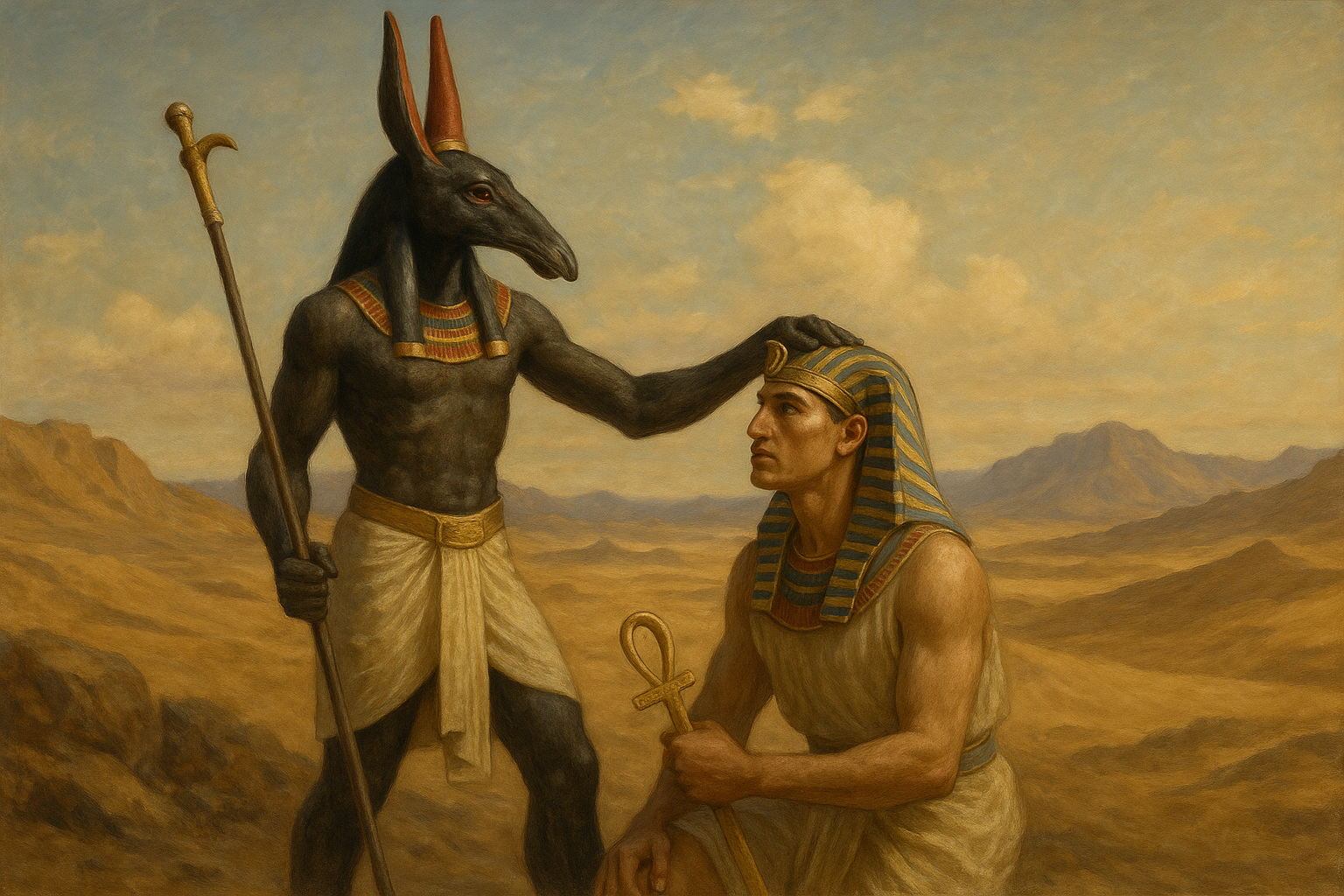
Mythology was deeply embedded in the fabric of ancient Egyptian life. The Egyptians perceived their world through a lens rich with stories of gods, cosmology, and creation. Major deities like Osiris, Isis, Horus, and Ra populated their narratives, each symbolizing various aspects of existence and natural phenomena. Myths served to explain the universe’s mysteries, codify moral values, and provide frameworks for understanding life, death, and the afterlife. They created a complex belief system that was expressed, preserved, and celebrated through art, particularly sculpture.
Symbolism in Sculptural Representations
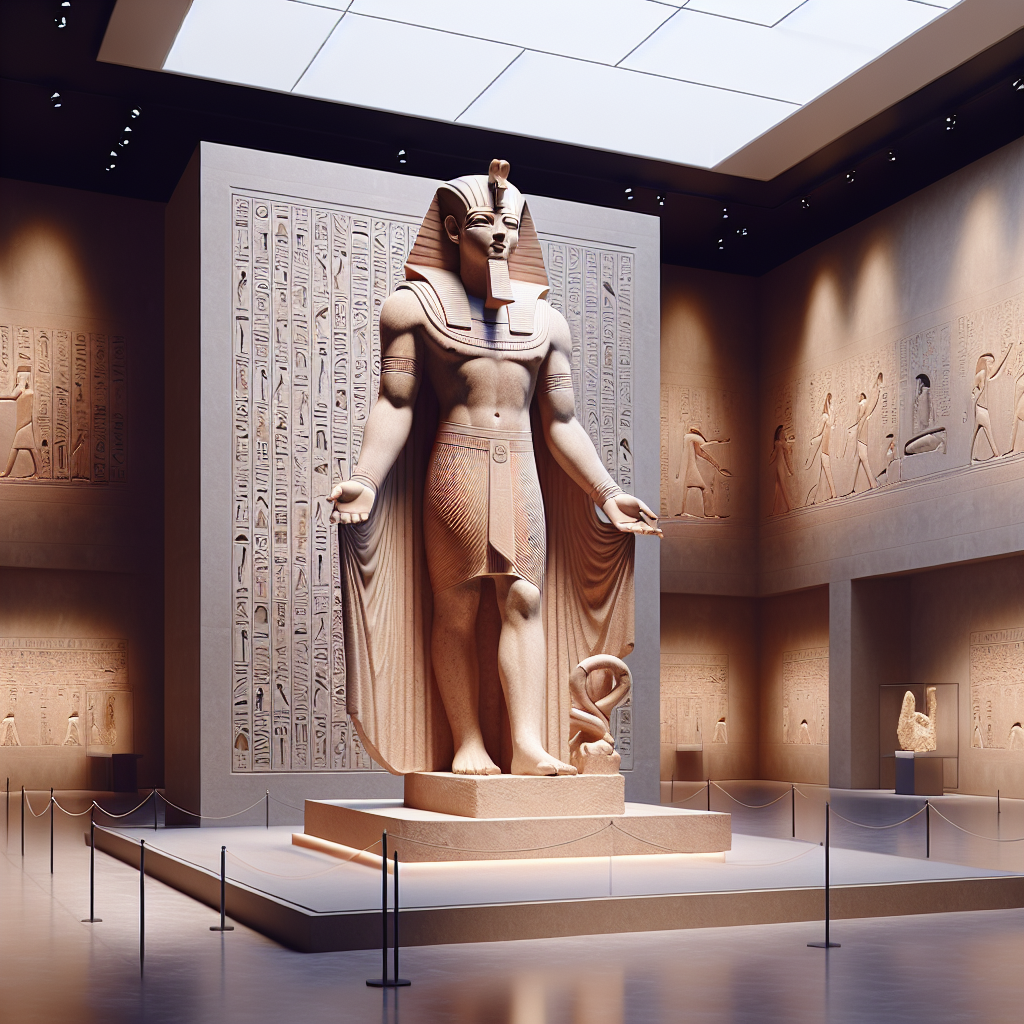
Sculpture in ancient Egypt was not merely ornamental. Every detail in a statue or relief was imbued with profound meaning. For example, the iconic ankh symbol—representing life—often appears in sculptural works associated with deities like Osiris and Isis. The stylized poses, facial expressions, and attributes of figures could convey not just identity but also the mythological narrative surrounding them.
Take, for instance, the colossal statue of Ramses II at Abu Simbel, which is adorned with royal regalia alongside representations of gods. Positioned at the entrance, these sculptures are more than mere likenesses; they encapsulate the divine endorsement of the pharaoh’s reign, marrying the king’s mythological significance with the physical representation of power.
The Creation Myths in Sculpture
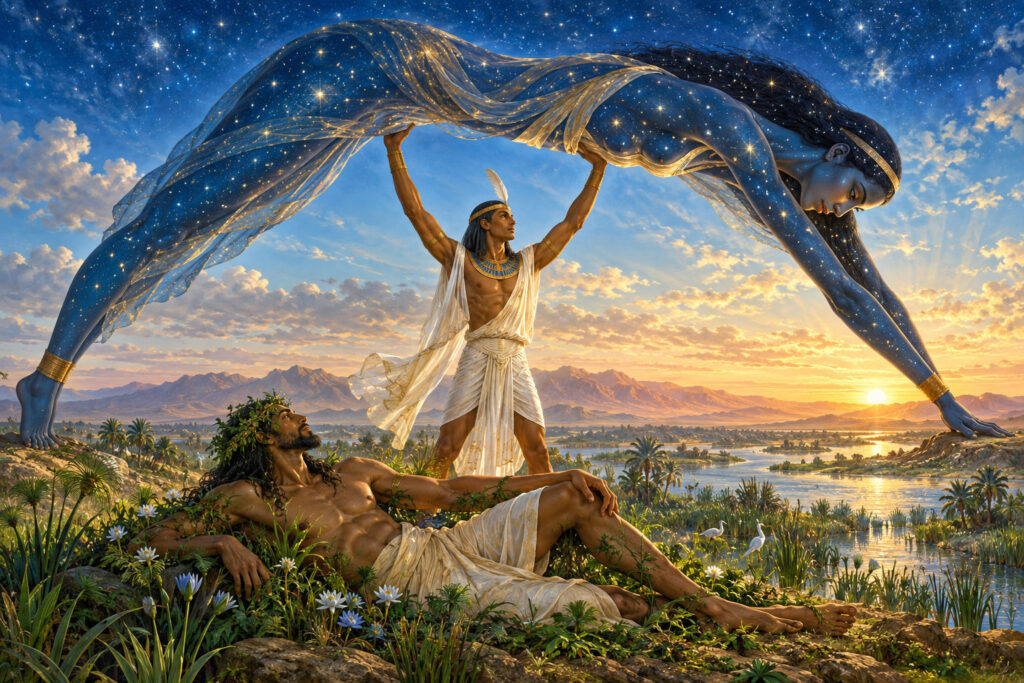
One of the most prominent themes in ancient Egyptian mythology is the creation myth, particularly the Heliopolitan cosmogony which described the emergence of the universe from the primordial waters of Nu. This narrative is often depicted in sculpture through representations of the god Atum and the other deities born from him. Artistic renditions sometimes show Atum emerging from a lotus flower, symbolizing creation.
The story of the sun god Ra is also pivotal, as he navigates the sky in his solar barque. Statues of Ra, often depicted as a falcon or a man with a falcon head, embody this journey. Sculptures emphasizing Ra’s attributes served not only as religious icons but also reminders of the cyclical nature of creation and rebirth—themes that resonated deeply with the agrarian society dependent on the seasonal rhythms of the Nile.
Death and the Afterlife
Another central mythological theme represented in sculpture is the journey through death and the afterlife. The pyramid complex, with its intricately carved reliefs and statutes, serves as a testament to this belief. They depict rituals and gods that guide the deceased in the afterlife, ensuring safe passage through the Duat (the underworld).
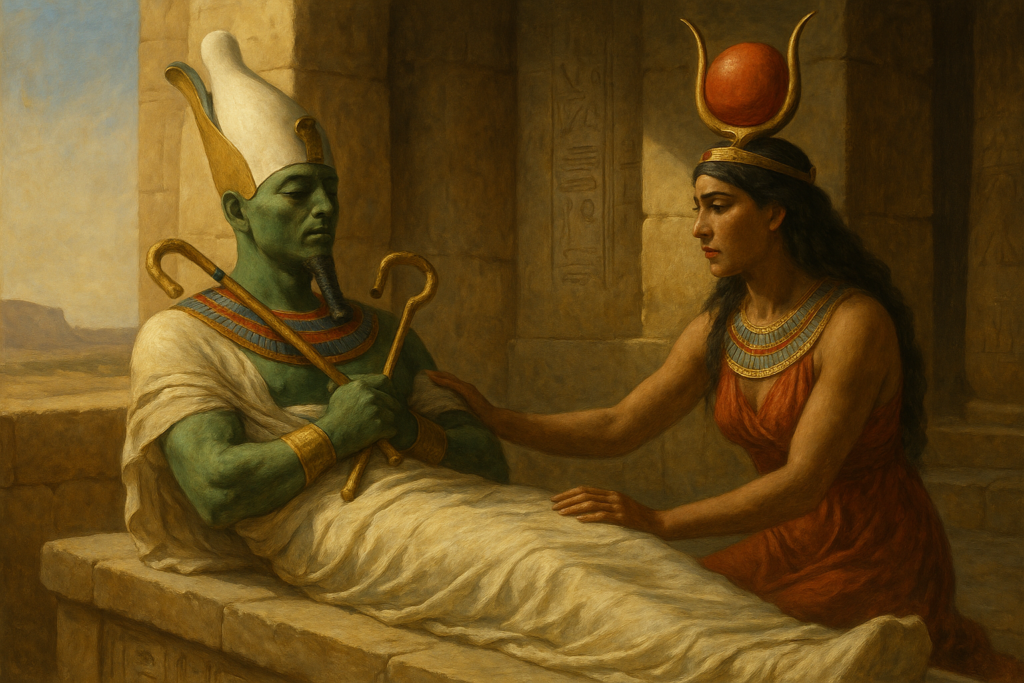
Osiris, the god of the afterlife, is frequently represented in sculpture with green skin symbolizing rebirth. His iconography often features him in a mummified state, holding the crook and flail, signifying kingship and the cycle of life and death. Statues of Osiris, adorned with the atef crown and surrounded by images of Isis and Horus, convey the narrative of resurrection—a theme echoed in tomb reliefs designed to aid in the deceased’s journey.
The Influence of Sculpture on Religious Practices
The sculptural representations of myths directly influenced religious practices in ancient Egypt. Statues were often placed in temples, serving as vessels for the deities to interact with the living. The artisans’ skill and the meticulous religiosity poured into these artworks reinforced the belief that these representations were alive with divine presence.
During important rituals, priests would interact with these figures, performing ceremonies to honor and appease the gods. For instance, the beautiful standing statue of Sekhmet, the lion-headed goddess of war and healing, was believed to embody her spirit and power. The rituals performed before her statue were significant in seeking divine favor and protection.
Gender Dynamics in Mythological Representation
Mythological narratives were also heavily gendered and reflected in sculpture. The duality of male and female energies, often represented in gods and goddesses, indicates the Egyptians’ nuanced understanding of gender. Isis and Hathor, for instance, exemplified motherhood and fertility, while also being powerful in their domains.
Sculptures such as the statues of Isis nursing Horus emphasize maternal aspects intertwined with empowerment. These intricate representations of gender roles reveal societal ideals and the recognition of female deities as crucial to the stability and continuation of life—mirroring the cultural importance placed on motherhood in ancient Egyptian society.
Conclusion
The representations of myth in ancient Egyptian sculpture serve as a rich tapestry that narrates the beliefs, values, and societal structures of a civilization that has long fascinated humanity. These sculptures are not mere representations of gods and myths; they are historical artifacts encapsulating spiritual beliefs, societal norms, and the profound connection between the people and the divine.
Through examining these mythological representations, we gain insights into how the ancient Egyptians perceived their world—a world where the divine was intricately woven into the fabric of their daily lives and beliefs. This intertwining of art and mythology continues to inspire and captivate audiences today, proving that even millennia later, the echoes of ancient Egyptian thought reverberate in contemporary understanding of art and spirituality.