The Myth of the Weighing of the Heart: Judgments in the Afterlife

The myth of the Weighing of the Heart is a captivating narrative that has reverberated throughout ancient Egyptian culture, encapsulating their views on morality, justice, and the afterlife. Central to this myth is the concept of judgment, where the heart of the deceased is weighed against the feather of Ma’at, the goddess of truth and order. This ancient tradition reflects not only the ethical values of the Egyptians but also their beliefs about life, death, and the journey beyond.
Historical Context
The origins of the Weighing of the Heart myth can be traced back to the Pyramid Texts, which are among the oldest religious writings in the world, dating as far back as 2400 BC. These texts outline the various rituals and beliefs associated with death, creation, and the afterlife, emphasizing the importance of morality in determining one’s fate. As Egyptian society evolved, the myth became more defined and was incorporated into the Book of the Dead, a crucial funerary text that guided the souls of the deceased through the underworld and into the afterlife.
The Weighing Ceremony
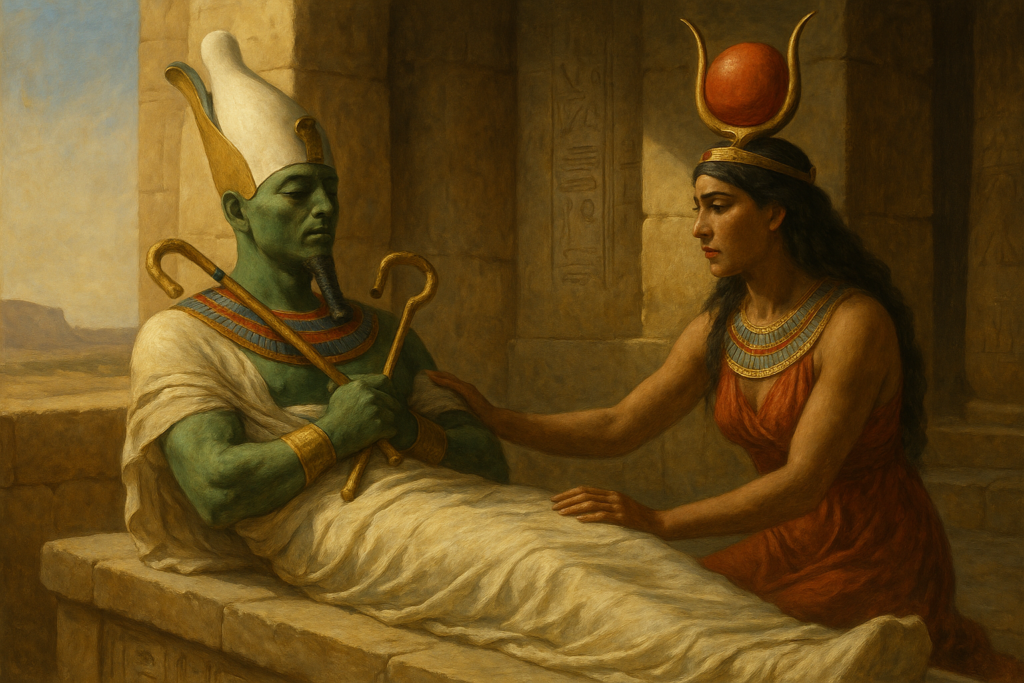
According to the myth, upon death, the soul of the deceased—known as the ba—is led to the Hall of Two Truths, where the pivotal weighing ceremony takes place. The central figures in this solemn ritual include Anubis, the god of the dead, who oversees the process, and Osiris, the god of the afterlife, who judges the soul’s destiny. The deceased’s heart, believed to be a repository of one’s thoughts, deeds, and character, is placed on one side of a scale. On the other side lies the feather of Ma’at, representing truth, justice, and cosmic order.
The outcome of this weighing is consequential. If the heart is lighter than the feather, it signifies a life lived in accordance with Ma’at; the deceased is deemed worthy and is granted access to the afterlife, a paradise known as the Field of Reeds. However, if the heart is heavier—burdened by sin, deceit, and wrongdoing—it is devoured by Ammit, a fearsome creature that is part crocodile, lion, and hippopotamus. This fate is a permanent annihilation of the soul, a chilling concept known as the “second death.”
Symbolism and Cultural Significance
The Weighing of the Heart is deeply rooted in the Egyptian understanding of ethics and morality. It underscores the belief that one’s life is judged based on actions and intentions rather than mere adherence to rituals. The heart, as an integral part of this myth, serves as a powerful symbol of conscience and moral rectitude. Unlike modern Western interpretations that often separate morality from one’s soul, ancient Egyptians saw life choices as inextricably linked to the eternal state of the individual.
Additionally, the ceremony reflects a societal emphasis on balance and harmony. The feather of Ma’at represents not just individual morality but the larger cosmic order, illustrating how one’s personal conduct affects the world around them. Consequently, this myth was not just an afterlife belief; it served as a societal guide for ethical behavior throughout life.
Moral Implications
The Weighing of the Heart implores individuals to reflect on their values and actions during their earthly existence. It instills a sense of accountability, as individuals recognize that their choices will ultimately affect their fate after death. This notion is echoed in various cultures and religions, wherein the idea of judgment—whether divine, cosmic, or societal—serves as a moral compass.
Moreover, the myth urges followers to live in accordance with societal norms that promote community welfare and uphold justice. The Egyptians believed that just as one must account for their actions in the afterlife, community members must also hold each other accountable for ethical behavior. Thus, the myth of the Weighing of the Heart is not just about individual morality; it reflects a community’s collective responsibility toward its moral fabric.
Modern Interpretations
Today, the concept of the Weighing of the Heart resonates on several levels. It is often explored in literature, art, and media as a powerful metaphor for the struggle between good and evil, conscience and temptation. In contemporary discussions on ethics, the myth serves as a reminder of the complexities of moral decision-making and the weight of one’s choices.
Philosophers, ethicists, and psychologists have drawn parallels between this ancient belief and modern theories of morality. Many argue that the essence of the Weighing of the Heart lies in its emphasis on personal responsibility and integrity—values that remain critical in a contemporary world grappling with ethical dilemmas in politics, business, and social justice.
Conclusion
The myth of the Weighing of the Heart remains a profound exploration of judgment in the afterlife, revealing the intricacies of morality in ancient Egyptian culture. Through the lens of this myth, we can examine our ethical frameworks, the balance of our actions, and the responsibilities we carry in our lives. In a world often clouded by ambiguity, this myth challenges us to weigh our own hearts and consider the weight of our deeds—both in life and beyond. The ancient narrative transcends time, inviting us to recognize that our choices shape not only our destinies but also the tapestry of our shared humanity.