The Legends of the Pharaohs: Tales of Divine Lineage
The Legends of the Pharaohs: Tales of Divine Lineage
The Pharaohs of ancient Egypt stand as monumental figures in history, revered not only for their political and military power but also for their perceived divine lineage. These monarchs were believed to be the direct descendants of the gods, chosen to maintain ma’at—an ancient Egyptian concept embodying truth, balance, and cosmic order. This article explores the legendary tales surrounding the pharaohs, their connections to the divine, and how these narratives shaped the nation’s culture, identity, and legacy.
Divine Origins
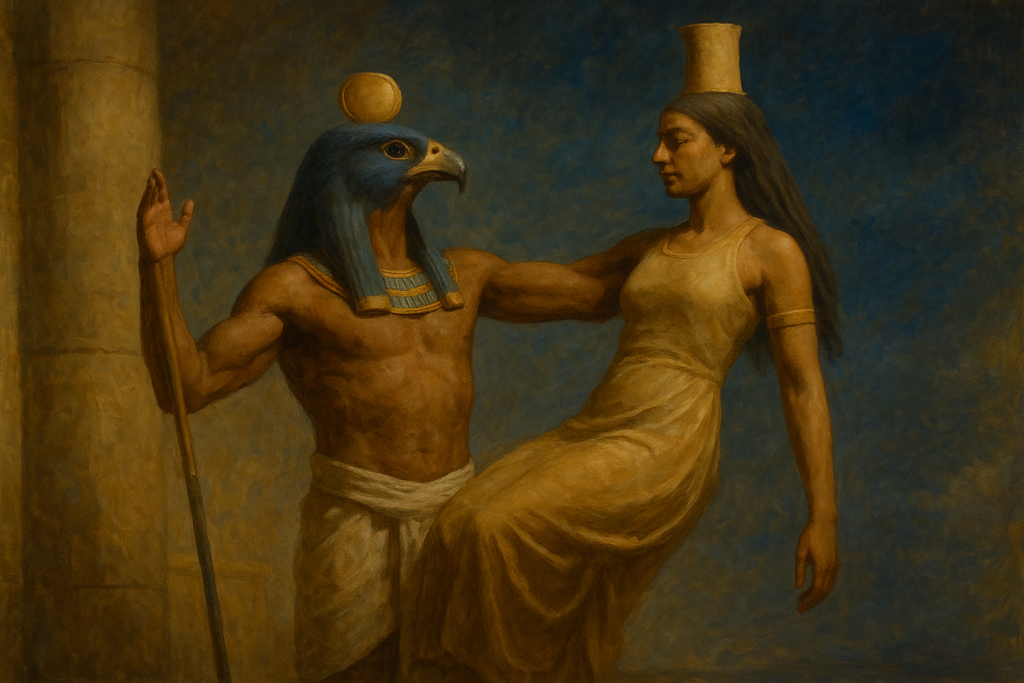
The roots of the pharaonic lineage are deeply entwined with mythology. According to Egyptian belief, the first pharaoh, Narmer (or Menes), unified Upper and Lower Egypt around 3100 BCE. Legend tells that Narmer was born from the union of the goddess Hathor and the god Amun, establishing a divine foundation for the Egyptian monarchy. This remarkable heritage presented the pharaoh not only as a ruler but also as a mediator between the divine and the mortals. Each pharaoh was seen as a living god, a manifestation of Horus, the falcon-headed deity embodying royalty and the sky.
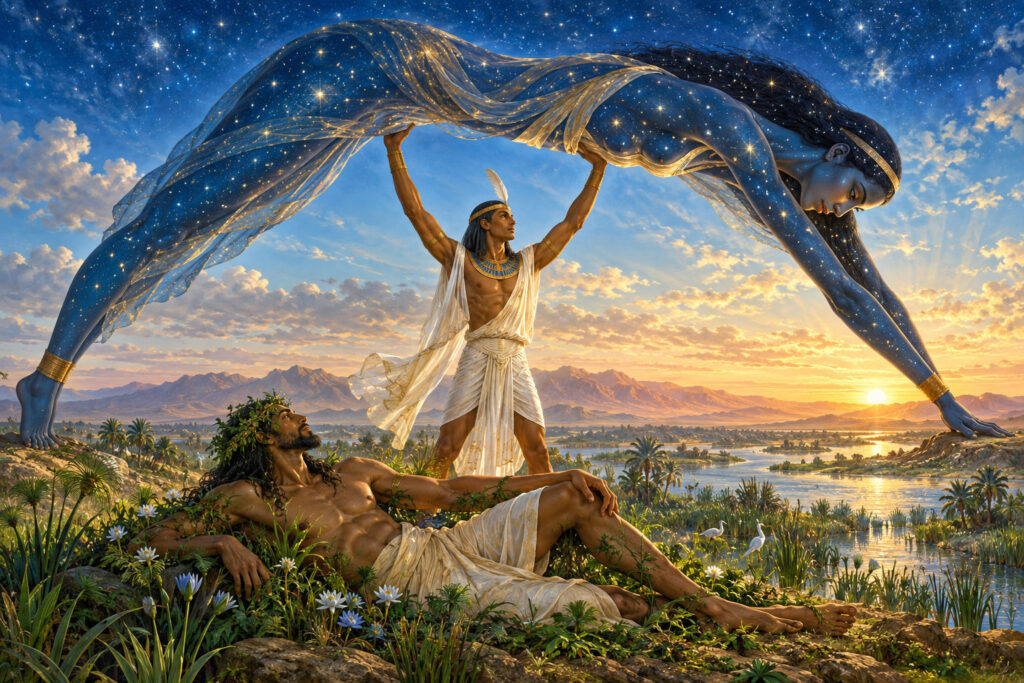
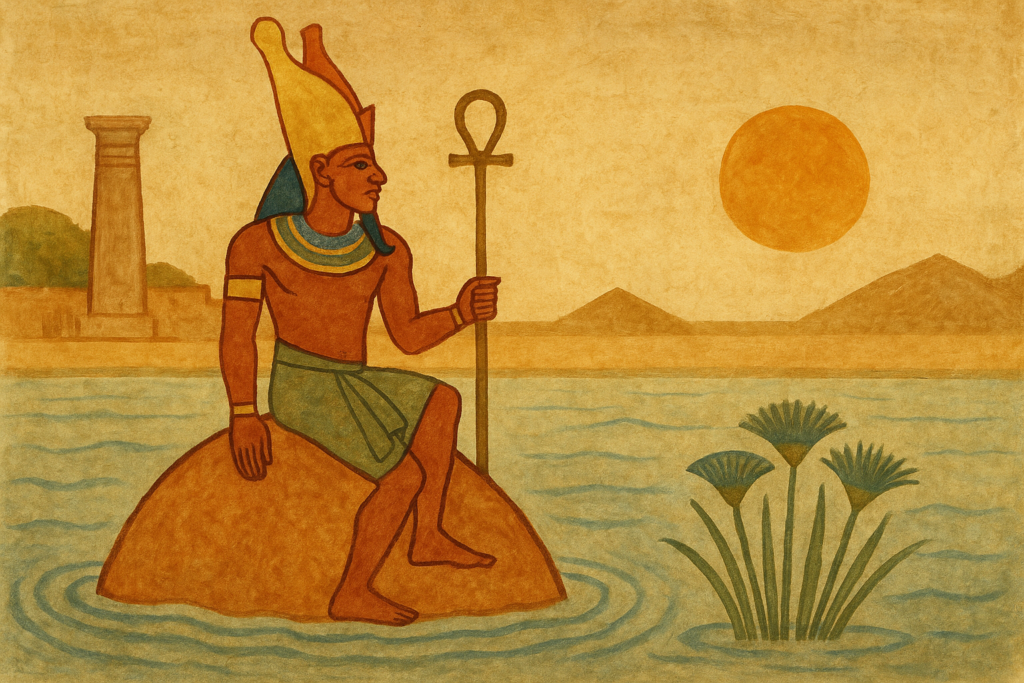
The myths surrounding Osiris, Isis, Set, and Horus further underscored the divine lineage of pharaohs. Osiris, the god of the afterlife, was considered the ideal ruler, and when he was murdered by his brother Set, his wife, Isis, resurrected him. Their son, Horus, often identified with the reigning pharaoh, embodied rightful kingship. This cyclical narrative symbolized the ongoing struggle between order and chaos—a theme that resonated through centuries of rulers.
Legacy of the Gods
The connection between the pharaohs and the divine was not merely symbolic; it shaped the very essence of governance. The term “pharaoh” itself is rooted in the concept of “Great House” or “palace,” but it transcended mere architecture. As the embodiment of divinity on earth, the pharaoh’s actions were believed to be guided by the gods, impacting agriculture, war, and the Nile’s annual flooding—the lifeblood of Egyptian civilization.
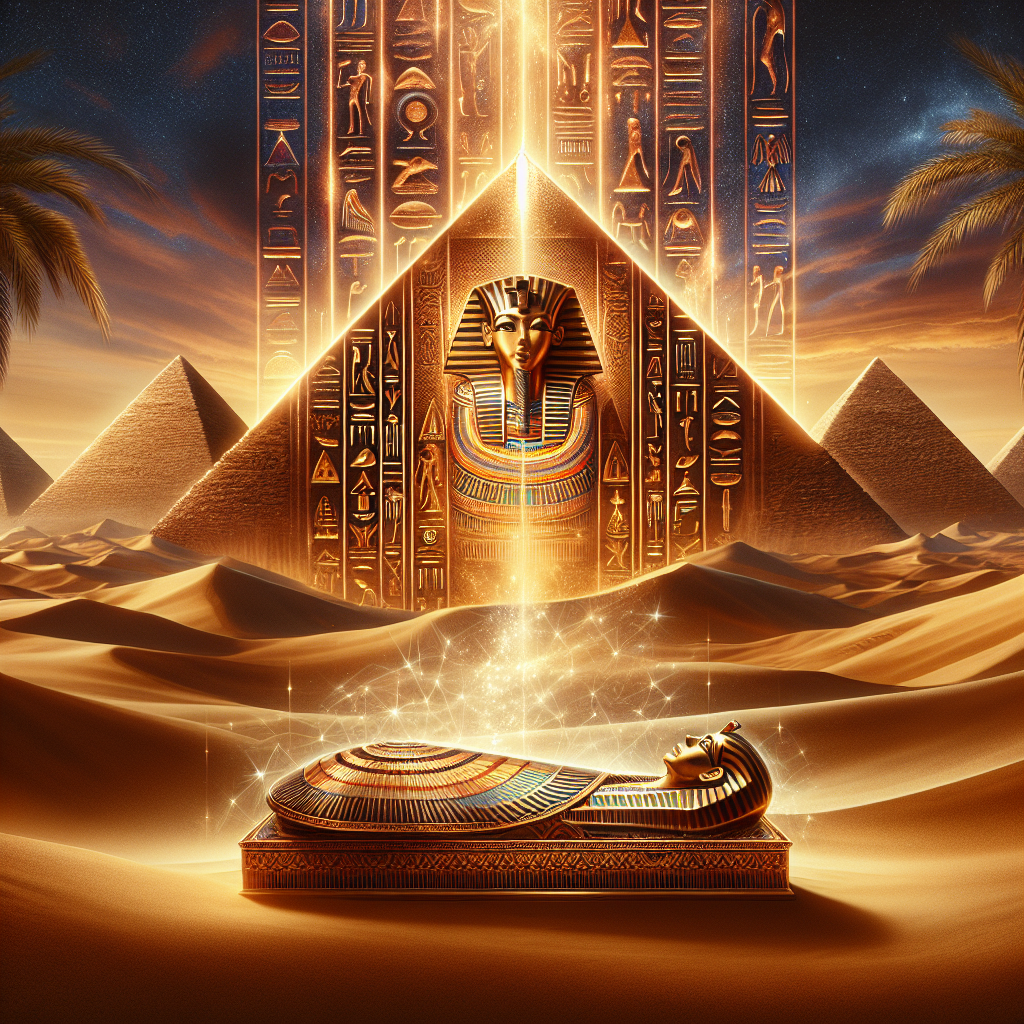
The Pharaohs erected monuments and temples not only to honor the gods but also to cement their divine status. The Pyramids of Giza, constructed during the Fourth Dynasty, are perhaps the most remarkable testaments to this belief. These monumental structures were not only tombs but also gateways to the afterlife, designed to assist the pharaoh’s journey to eternity. The Great Pyramid of Khufu, one of the Seven Wonders of the Ancient World, exemplifies the architectural prowess that showcased the pharaoh’s divine lineage and power.
Rituals and Divine Kingship
The rites surrounding the pharaoh’s coronation reinforced their status as divine rulers. The Sed Festival, celebrated after a pharaoh’s 30th year of reign, represented a renewal of kingship—often visualized as a rite where the pharaoh demonstrated his physical prowess. Such rituals reaffirmed the pharaoh’s responsibility to the gods and his people, ensuring prosperity and stability in the kingdom.
Moreover, the wisdom literature of ancient Egypt, such as “The Instruction of Ptahhotep,” often articulated the virtues of a righteous king. Such texts emphasized the belief that a pharaoh’s wisdom and integrity were divinely inspired, echoing the notion that the gods guided him in the administration of justice and order.
The Pharaohs in the Afterlife
The perceived divine nature of the pharaoh extended into the afterlife. Ancient Egyptians believed in immortality through proper burial and preservation of the body. The elaborate mummification process and the grandeur of burial sites like the Valley of the Kings reflected the belief that a well-preserved body could ensure continued existence in the Field of Reeds, a paradisiacal afterlife.
The famous “Book of the Dead,” a collection of spells and prayers, served as a guide for the deceased to navigate the afterlife, reinforcing the idea that the pharaoh would rise to join the gods. This culminated in the belief that after death, the pharaoh would be judged by Osiris. A successful judgment would allow the pharaoh, now one with the divine, to reign eternally.
Historical Significance and Cultural Identity
The Legends of the Pharaohs extend beyond ancient narratives; they have molded Egypt’s cultural identity. Throughout history, their divine lineage has been a source of pride, reinforcing national unity. The return to these legends can be observed during periods of turmoil when leaders invoked the imagery of ancient deities to legitimize their rule.
For instance, during the New Kingdom (1550-1070 BCE), pharaohs such as Ramses II arguably promoted the concept of divine kingship to bolster their military and administrative endeavors, portraying themselves as living embodiments of gods to inspire loyalty and respect among their subjects.
Despite Egypt’s long and diverse history, including the Greco-Roman and Islamic periods, the legends of the pharaohs continue to resonate. They serve as cultural touchstones that highlight the nation’s historical depth, influencing literature, art, and modern political sentiments.
Modern Interpretations
In contemporary media and popular culture, the tales of ancient Egyptian pharaohs have been resurrected and romanticized. Movies, literature, and art echo the grandeur and mystery of the pharaohs, often straddling the lines of reality and fantasy. The fascination with the catacombs of the pharaohs, especially in the wake of discoveries like Tutankhamun’s tomb, has ignited a resurgence of interest in Egyptology, encouraging new generations to explore these ancient legends.
Furthermore, the enduring image of the pharaoh as a god-king challenges our understanding of leadership and divinity. The themes of power, morality, and heritage resonate across cultures and eras, inviting discussions on the nature of authority and the human longing for transcendence.
Conclusion
The Legends of the Pharaohs encapsulate a rich tapestry of mythology, governance, and cultural identity. Their tales remind us of a time when kings and gods walked among mortals, shaping the very essence of civilization. As we unravel these narratives, we not only honor the splendor of ancient Egypt but also acknowledge the lasting impact of divine lineage on our understanding of leadership, morality, and the human experience. In many ways, the pharaohs remain etched in our collective consciousness, symbols of a pursuit for power, immortality, and the divine.