Egyptian Mythology’s Legacy in Popular Culture
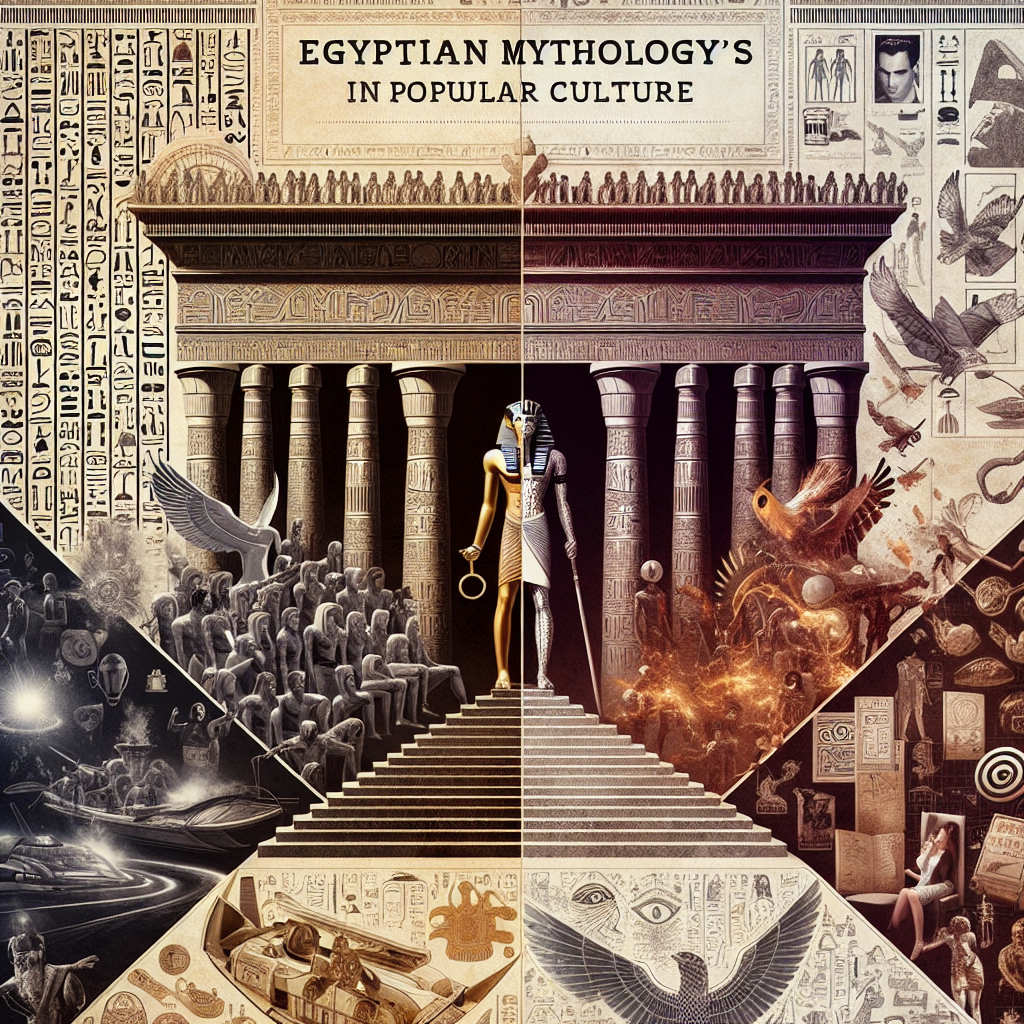
Egyptian mythology, with its rich tapestry of gods, goddesses, and epic stories, continues to captivate the human imagination millennia after its inception. From the iconic pyramids that dominate the Egyptian landscape to the intricate hieroglyphs that adorn ancient tombs, the legacy of this ancient civilization profoundly influences contemporary culture, literature, film, and art. This article explores how Egyptian mythology has permeated popular culture, inspiring countless adaptations and interpretations.
The Gods of Egypt: Archetypes in Modern Stories
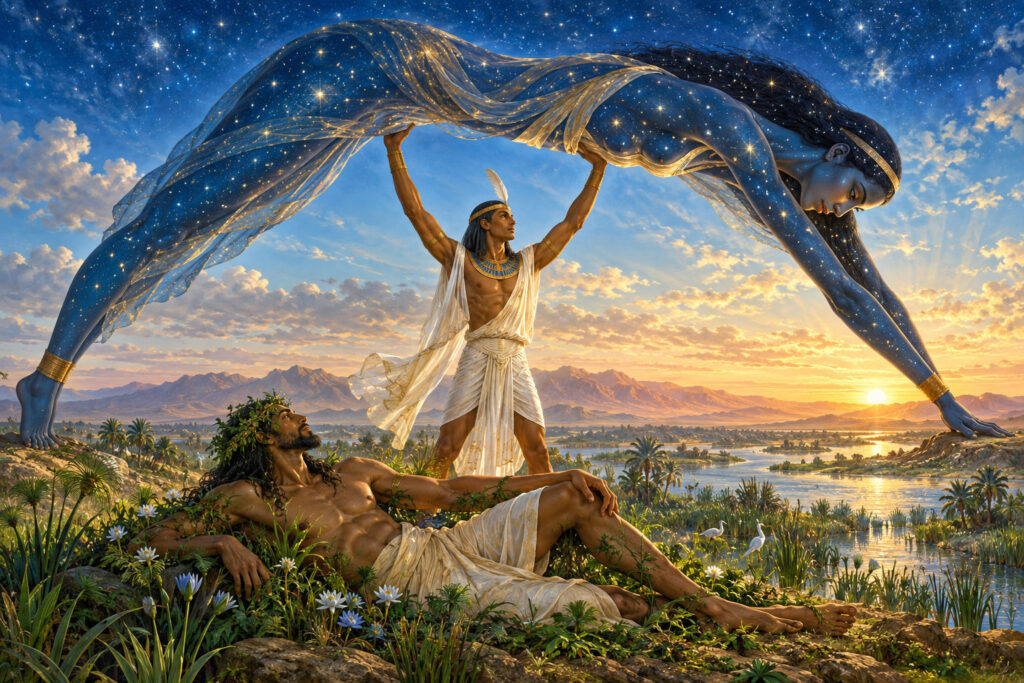
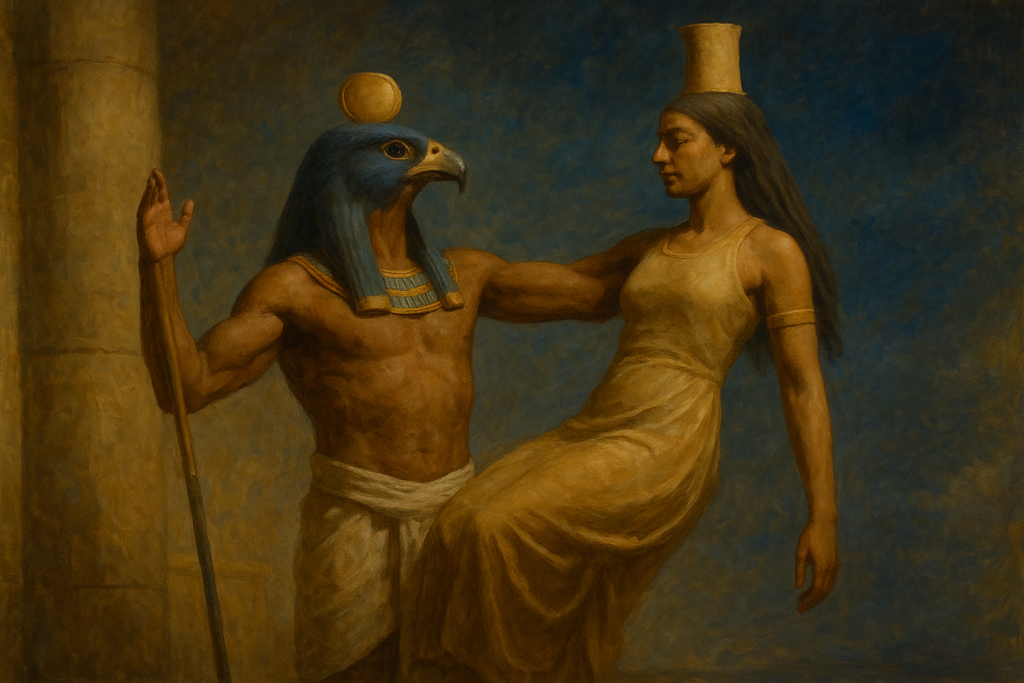
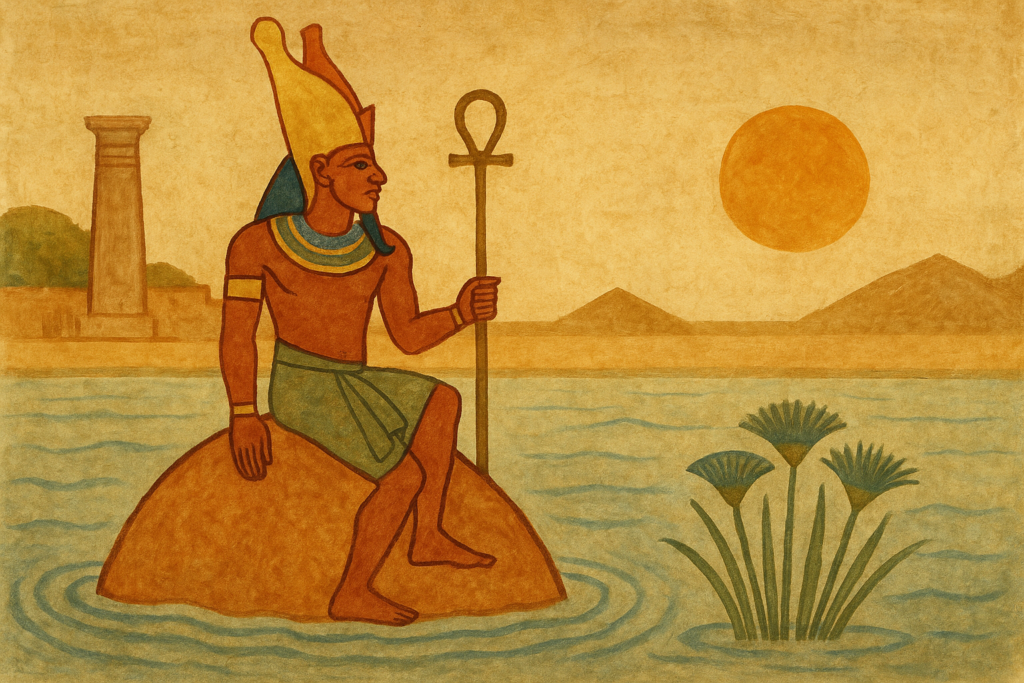
At the heart of Egyptian mythology lies a plethora of gods and goddesses. Deities such as Ra, the sun god, Osiris, the god of the afterlife, and Isis, the goddess of motherhood and magic, present archetypal characters that resonate with modern audiences. Their stories often explore themes of life, death, resurrection, and the quest for knowledge—universal concepts that transcend culture and time.
In literature, for instance, Rick Riordan’s “The Kane Chronicles” series immerses readers in the world of Egyptian mythology. The adventures of siblings Carter and Sadie Kane as they navigate the complexities of Egyptian deities and magic highlight the enduring appeal of these ancient tales. Riordan’s portrayal of the gods not only entertains but also introduces younger generations to the rich narratives of Egyptian mythology, recontextualizing them within a modern framework.
Film Interpretations: From Aesthetic to Narrative
Egyptian mythology’s visual splendor has heavily influenced popular cinema. The monumental structures, ornate jewelry, and expressive art forms associated with the ancient Egyptians create a natural backdrop for storytelling. Films like “The Ten Commandments” (1956) and “Cleopatra” (1963) provide grand spectacles that depict the rich history and mythology of Egypt, albeit with a certain degree of historical reinterpretation.
More recent films, such as “Gods of Egypt” (2016), attempt to mesh mythology with Hollywood’s penchant for action and adventure. While these adaptations often face criticism for their historical inaccuracies and casting choices, they showcase the gods’ dramatic narratives and spectacular powers, thereby reinforcing their relevance in contemporary storytelling.
Moreover, the cinematic representation of Egyptian gods has paved the way for deeper explorations of their stories. For example, the character of Set in “Gods of Egypt” embodies the archetypal antagonist—a foil to the protagonist Horus. This dynamic parallels modern storytelling techniques, making ancient tales accessible to today’s audiences.
Video Games: Interactive Mythology
In the realm of video games, Egyptian mythology offers rich landscapes and narratives. Games like “Assassin’s Creed Origins” and “Total War: Pharaoh” allow players to immerse themselves in ancient Egypt, interact with historical figures and gods, and make decisions that influence the course of a digital narrative.
“Assassin’s Creed Origins” stands out by blending historical facts with mythical elements, allowing players to experience life as Bayek, a Medjay in ancient Egypt, while encountering gods like Anubis and Sekhmet. The incorporation of mythology into gameplay enriches the storytelling, encouraging players to engage with the narrative on a deeper level. The quest for the mystical artifacts, reminiscent of the ancient Egyptians’ fascination with the divine, integrates modern gaming with ancient beliefs.
Literature and Graphic Novels: New Voices
Moreover, Egyptian mythology has found a new voice in literature and graphic novels. Writers like Nnedi Okorafor incorporate elements of Egyptian mythology into their narratives, effectively blending cultural history with modern storytelling techniques. Books such as “Akata Witch” weave together African and Egyptian mythos, creating stories that resonate with diverse audiences while honoring ancient traditions.
Graphic novels, too, have played a significant role in making Egyptian mythology accessible. Works like “The Sandman” by Neil Gaiman feature depictions of Egyptian gods, intertwining them into the broader narrative and inviting readers to explore their complexities. This form of storytelling taps into the visual elements of mythology, evoking the beauty and mystery of ancient art in a contemporary format.
Music and Pop Culture: The Rhythms of Ancient Egypt
Egyptian mythology’s influence extends into music and popular culture, where artists and musicians draw inspiration from its themes and aesthetics. Songs that reference Egyptian mythology—whether explicitly or through symbolism—reflect the emotional depth and power of these ancient stories.
For example, pop icons like Beyoncé and Rihanna have incorporated Egyptian motifs and symbolisms within their music videos, illustrating the lasting resonance of Egyptian themes in modern expressions of art and identity. The imagery of the cat goddess Bastet, the ankh symbol, and representations of pharaohs invoke a rich cultural lineage that enhances the artistic narratives of contemporary artists.
Inspired by Egyptian Aesthetics
Fashion designers and visual artists also draw heavily from Egyptian motifs. The distinctive imagery—such as the Eye of Horus, scarabs, and vibrant colors—has inspired countless designs, from haute couture to streetwear. Haute couture collections that reference ancient Egypt tap into the allure and mystique of the civilization, demonstrating that the visual lexicon of Egyptian culture continues to inspire innovation and creativity across artistic domains.
Conclusion: Egyptian Mythology as a Living Tradition
The legacy of Egyptian mythology in popular culture demonstrates its power to adapt and thrive in contemporary society. From literature to cinema, video games to music, the symbols, narratives, and aesthetics of ancient Egypt continue to resonate with audiences worldwide. This enduring legacy underscores the universality of its themes—love, sacrifice, power, and the quest for understanding.
As we continue to explore and reinterpret these ancient stories, Egyptian mythology serves as a reminder of the human capacity for storytelling, creativity, and the desire to connect with the past. In today’s world, where myth often intersects with reality, the gods of Egypt continue to inspire, challenge, and enrich our narratives, bridging the ancient and modern worlds in an ever-evolving tapestry of culture.