The Four Sons of Horus: Guardians of the Afterlife
The Four Sons of Horus: Guardians of the Afterlife
In ancient Egyptian mythology, the concept of the afterlife was intricately linked to the beliefs surrounding the soul and its journey post-death. Central to this eschatological narrative are the Four Sons of Horus, divine beings tasked with protecting the dead and ensuring their safe passage to the afterlife. Each son possesses unique characteristics and symbolic associations that reflect the rich tapestry of ancient Egyptian beliefs.
Origins and Symbolism
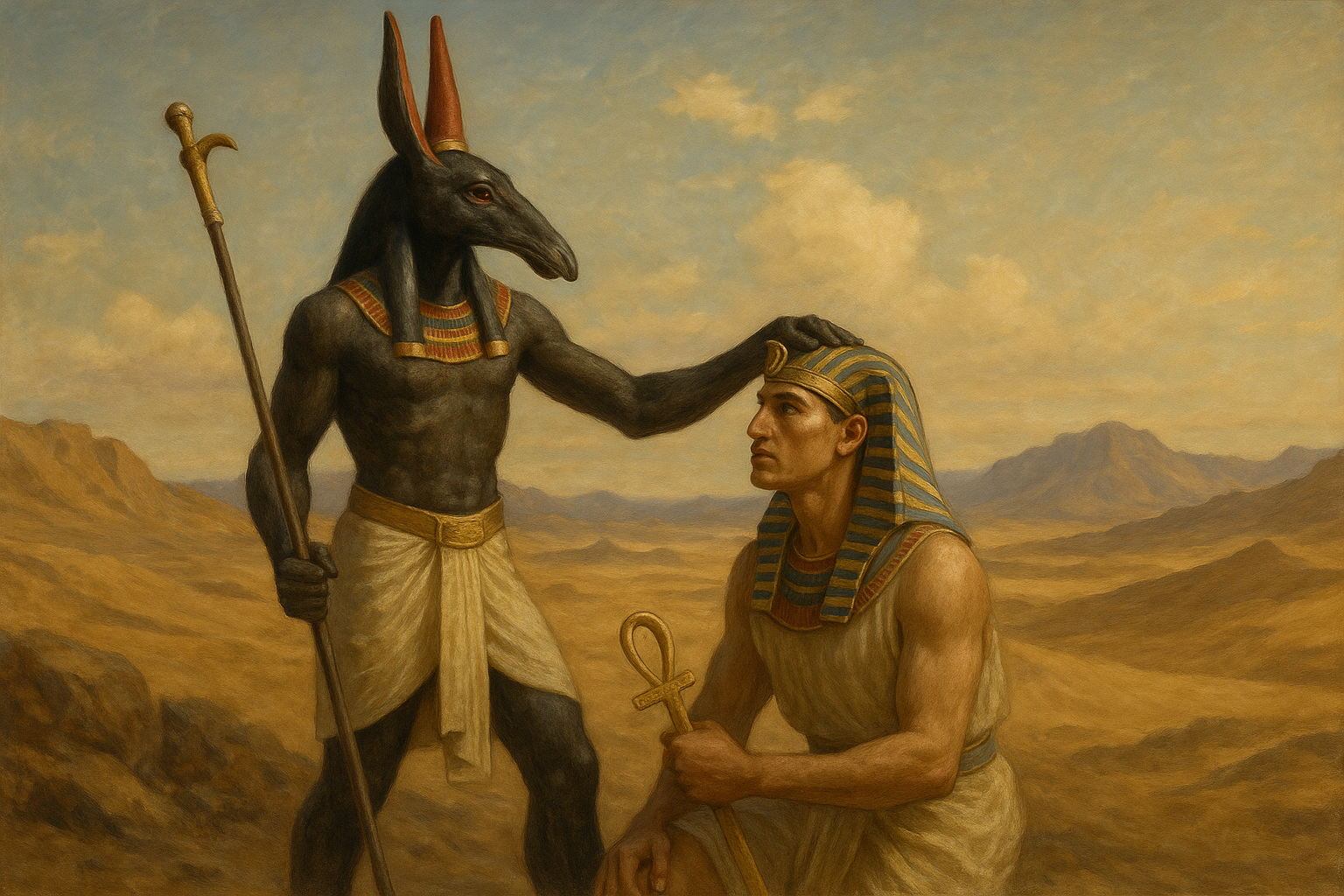
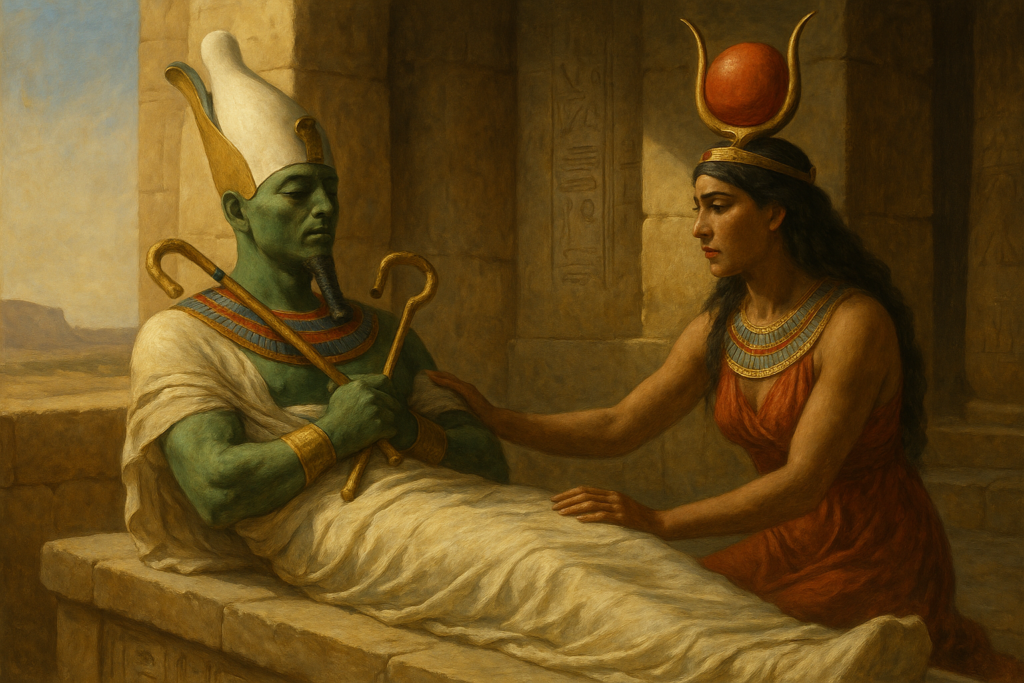
The Sons of Horus are derived from Horus, the falcon-headed god closely associated with the sun and kingship. According to mythology, they are the sons of Osiris, the god of the afterlife, and Isis, the goddess of fertility and motherhood. The brothers are often depicted as anthropomorphic representations of various animals, reflecting both their roles in the afterlife and their connections to nature.
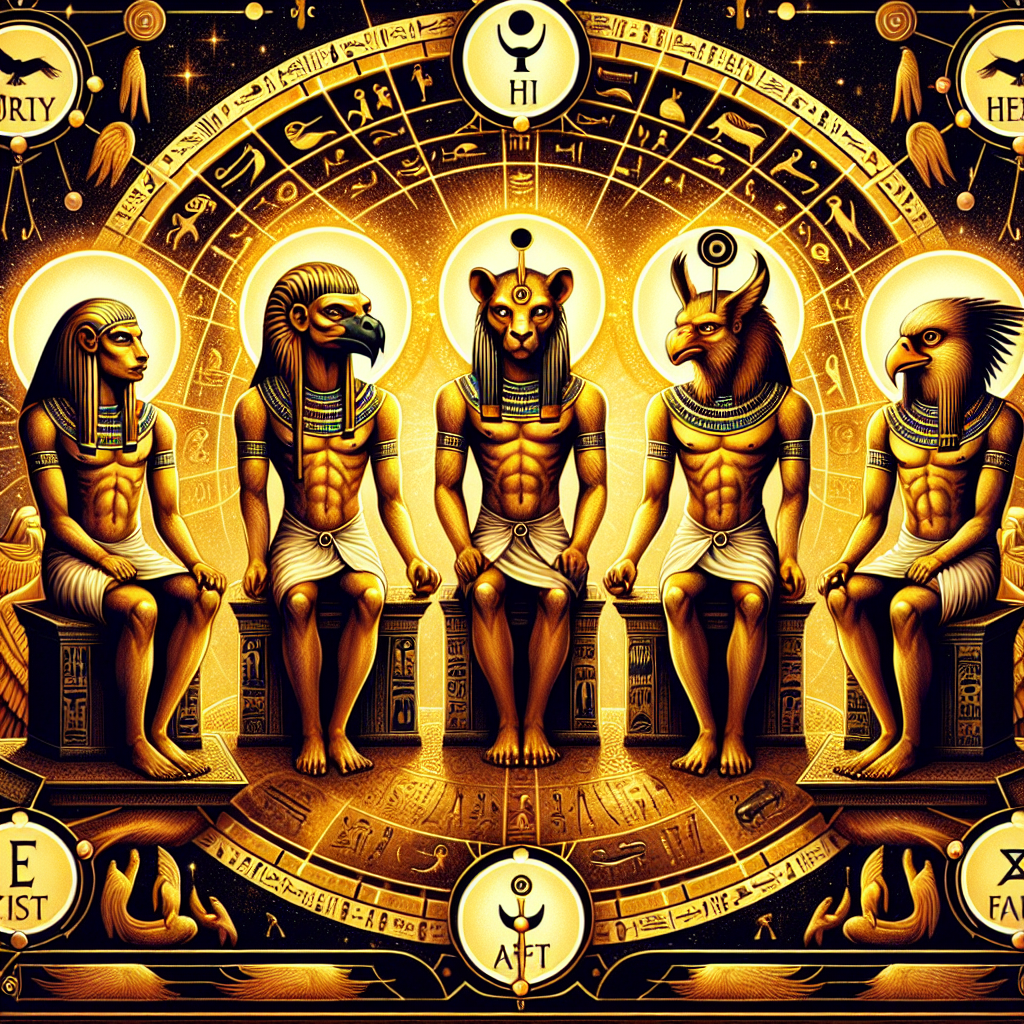
The four brothers are:
-
Imsety – Often depicted as a human with a falcon head, Imsety is the guardian of the human liver. He symbolizes resurrection and regeneration. The liver was believed to be the seat of emotion and thought, making Imsety crucial for the soul’s journey. In depictions, he is frequently shown protecting a canopic jar that housed the liver.
-
Hapi – Hapi is portrayed as a human with the head of a baboon, serving as the guardian of the lungs. Associated with the flooding of the Nile, he embodies fertility and abundance. His role is vital for the purification process of the soul during the weighing of the heart ceremony, which determined the soul’s worthiness for entering the afterlife.
-
Duamutef – Represented with the head of a jackal, Duamutef is the protector of the stomach. Jackals were traditionally associated with cemeteries, emphasizing his role as a guardian of the dead. His association with the stomach signifies the importance of sustenance in the afterlife, as he is charged with protecting the provisions needed for the deceased’s journey.
-
Qebehsenuef – The final brother, Qebehsenuef, is depicted as a human with the head of a falcon. He guards the intestines and represents the sky, embodying transcendence. Qebehsenuef plays a significant role in the physical purification of the deceased body, ensuring that the remains are preserved for their journey into the afterlife.
The Role of the Canopic Jars
Central to the functions of the Four Sons of Horus is their responsibility for the canopic jars, each specifically designed to store and protect the vital organs of the deceased. These jars were typically made from alabaster or pottery and placed within canopic chests inside the tomb. Each jar was dedicated to one of the Sons of Horus and served both a practical and symbolic purpose.
- Imsety’s jar contained the liver, safeguarded by the goddess Isis.
- Hapi’s jar held the lungs and was protected by the goddess Nephthys.
- Duamutef’s jar stored the stomach, overseen by the goddess Serqet.
- Qebehsenuef’s jar safeguarded the intestines, with the protective figure of the goddess Nut.
These jars and their contents played a critical role in Egyptian beliefs, for the health of the body in the afterlife was deemed essential for the soul’s eternal well-being.
The Weighing of the Heart
One of the most significant events in the journey of the soul is the Weighing of the Heart ceremony, a pivotal moment in a deceased person’s judgment. Here, the heart, considered the center of intelligence and emotion, was placed on a scale against a feather belonging to Ma’at, the goddess of truth and justice. If the heart was lighter than the feather, it signified a life of righteousness, allowing the soul to enter the Fields of Aaru, an idyllic paradise. Conversely, if heavier, the heart would be devoured by Ammit, a fearsome creature symbolizing destruction and decay.
The Sons of Horus play crucial roles during this judgment. Their presence and protection ensure the integrity of the deceased, guiding them through this pivotal rite. The canopic jars they guard serve to remind the living of the earthly life’s responsibility to act justly, preparing the deceased for this ultimate scrutiny.
Artistic Depictions and Legacy
The Four Sons of Horus are frequently portrayed in various forms of art, from burial artifacts to temple reliefs. Each son’s imagery is infused with symbolic meaning, capturing their divine qualities and roles. The iconic representations serve not only as artistic expressions but as a means of conveying the intricate beliefs surrounding the afterlife to the living.
These figures are also part of larger funerary contexts. In tombs, they appear in painted scenes alongside Osiris and other deities, reinforcing their protection of the deceased. Their presence in Egyptian art underscores the belief in a multifaceted afterlife where the deeds of the living directly influenced their eternal fate.
Conclusion
The Four Sons of Horus are more than mere mythological figures; they are vital guardians of the afterlife, entwined with ancient Egyptians’ complex beliefs regarding death, resurrection, and morality. By safeguarding the deceased’s vital organs, guiding souls through divine judgment, and embodying various aspects of life and nature, the Sons of Horus represent the rich interplay between the natural world and spiritual existence.
As custodians of the soul’s journey, their legacy continues to resonate, offering insights into the ancient Egyptian understanding of life, death, and what lies beyond. The stories and depictions of Imsety, Hapi, Duamutef, and Qebehsenuef remain enduring symbols of protection and reverence for the afterlife, inviting ongoing exploration of a civilization deeply attuned to the mysteries of existence and the eternal quest for life beyond the grave.