Prominent Figures of the Trojan War: A Closer Look
The Trojan War, one of the most famous conflicts in classical mythology, has inspired countless tales, artworks, and interpretations over the years. Rooted in ancient texts like Homer’s “Iliad,” the war is not only a historical or mythological event but also a complex tableau of characters, each representing different facets of human behavior, valor, and tragic folly. Let’s take a closer look at some of the prominent figures involved in this legendary conflict.
1. Achilles: The Wrathful Hero
Achilles, often considered the central character of the “Iliad,” embodies the virtues and vices of heroic character. A demigod born of the sea nymph Thetis and the mortal king Peleus, Achilles was renowned for his unparalleled strength and combat skills. However, his most defining trait is his wrath. The feud between Achilles and Agamemnon, the leader of the Greek forces, showcases his pride and stubbornness. His withdrawal from battle leads to devastating losses for the Greeks and emphasizes the theme of personal honor over collective good.
Achilles’ journey is marked by his relationships, particularly with Patroclus, whose death spurs Achilles to rejoin the fray and seek vengeance against Hector, Trojan prince and noble warrior. Achilles ultimately finds his fate intertwined with concepts of honor and mortality, making him one of the most compelling figures in the saga.
2. Hector: The Noble Defender
Contrasting with Achilles, Hector stands as a paragon of duty and honor among the Trojans. As the eldest son of King Priam and Queen Hecuba, Hector is the principal defender of Troy, embodying the responsibilities of a warrior and leader. His character is marked by his deep love for his family, particularly his wife Andromache and their child, which humanizes him and makes his eventual fate profoundly tragic.
Hector’s noble qualities often put him at odds with the violent nature of war. He faces Achilles in one of the most famous duels in literature, where he ultimately meets his tragic end. Hector’s death marks a pivotal moment not only in the war but also in the larger narrative about the consequences of vengeance and the fleeting nature of glory.
3. Agamemnon: The Ambitious King
Agamemnon, the king of Mycenae, represents the qualities of ambition and leadership, though often at a moral cost. As the commander of the Greek forces, he is a figure of authority, yet his choices are frequently flawed. The conflict with Achilles stems from Agamemnon’s decision to take Briseis, Achilles’ captive, an act rooted in pride and a desire to assert dominance.
His leadership style is often questioned, leading to discontent among the Greek ranks. Despite his flaws, Agamemnon manages to unify the Greeks for the war, demonstrating the complicated nature of leadership. His eventual fate, marked by betrayal and loss, serves as a cautionary tale about the dangers of unchecked ambition and hubris.
4. Helen of Troy: The Face That Launched a Thousand Ships
Perhaps the most famous woman in the Trojan War narrative, Helen’s beauty is said to be the catalyst for the war. Married to Menelaus, the king of Sparta, her abduction (or elopement, depending on the version) by Paris, the Trojan prince, incites the Greek army to action. Helen’s character, however, is more complex than merely a beautiful figure; she grapples with her identity and choices throughout the war.
She often expresses regret and sorrow about the suffering caused by her actions, underscoring themes of agency and the consequences of desire. Helen’s narrative provides a poignant exploration of the roles of women in ancient mythology, combining themes of love, loyalty, and betrayal.
5. Odysseus: The Cunning Strategist
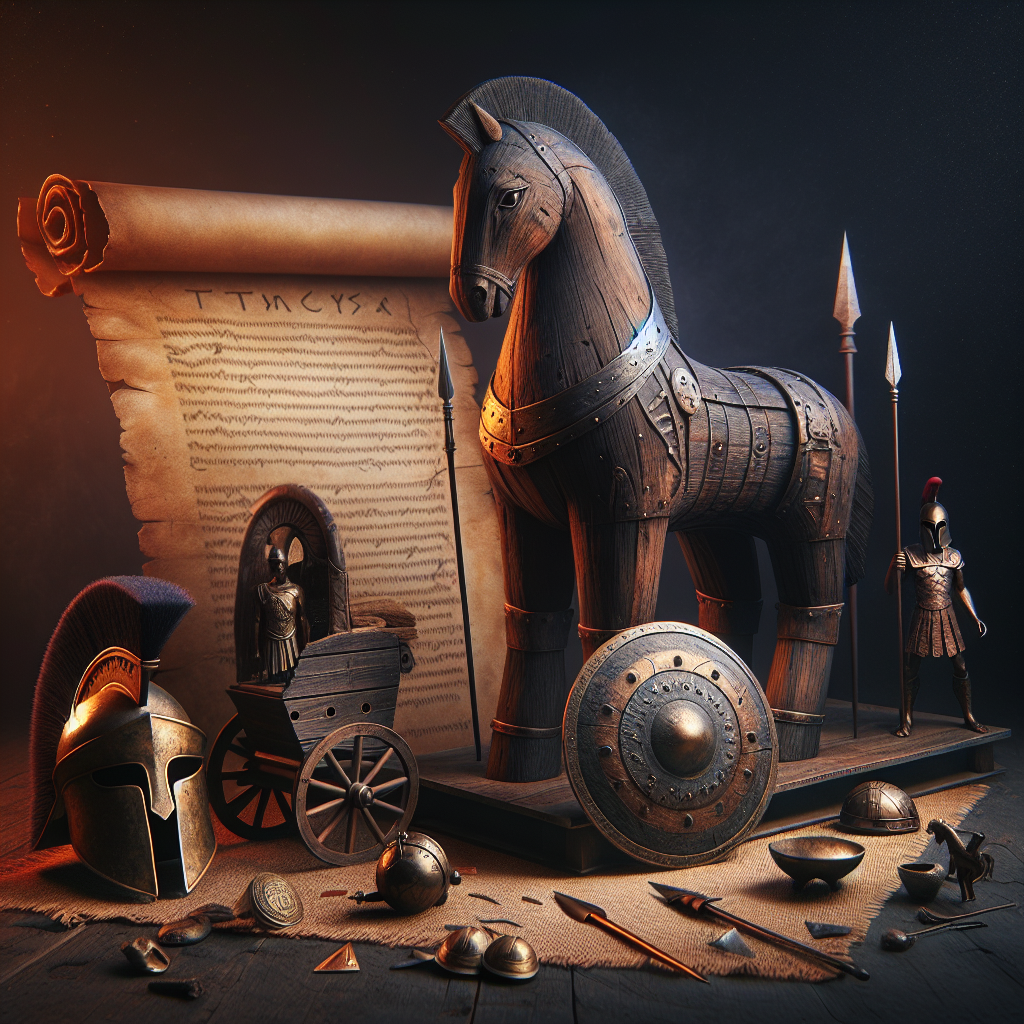
Odysseus, the king of Ithaca, is characterized by his intelligence and cunning, which often outshine brute strength. He plays a pivotal role in devising the Greek strategies, notably the infamous Trojan Horse, a clever deception that ultimately leads to Troy’s downfall. His resourcefulness reflects a different kind of heroism—one that values wits over physical prowess.
The “Iliad” often underscores Odysseus’ loyalty and camaraderie with his fellow soldiers, particularly Achilles and his friend Patroclus. Yet, his complexity emerges in the “Odyssey,” where he faces numerous trials on his journey home. Odysseus showcases the importance of wit and strategy, illustrating that complexity in human nature can often lead to both great success and profound suffering.
6. Priam: The Grief-Stricken King
King Priam of Troy emerges as a figure of tragic dignity amidst the chaos of war. He deeply loves his children and shows boundless sorrow for the consequences of the war, particularly the loss of Hector. His poignant entreaty to Achilles for Hector’s body is one of the most emotional scenes in the “Iliad,” illustrating the depths of a parent’s love and the shared suffering between enemies.
Priam’s character highlights another side of war, emphasizing its impact on families and communities. His grief underscores the futility of conflict and the humanity that persists even amidst violence and vengeance. His example serves as a reminder of the personal cost of war, deeply resonating with audiences throughout the ages.
Conclusion: Timeless Themes of Human Nature
The prominent figures of the Trojan War each represent timeless aspects of human nature, illustrating virtues and vices that continue to resonate today. From the wrath of Achilles to the nobility of Hector, and from the cunning of Odysseus to the emotional depth of Priam, these characters reveal the complexities of human behavior within the tapestry of war.
Ultimately, the Trojan War serves as a canvas for exploring profound themes such as honor, love, loyalty, and the tragic consequences of pride and ambition. As modern audiences continue to engage with these ancient stories, they find reflections of their own experiences and the ongoing relevance of these universal themes. The legacy of the Trojan War endures, woven into the fabric of literature and human understanding, reminding us of the enduring power of storytelling.
Recommended reading
These are affiliate links. If you buy through them, we may earn a commission at no extra cost to you.
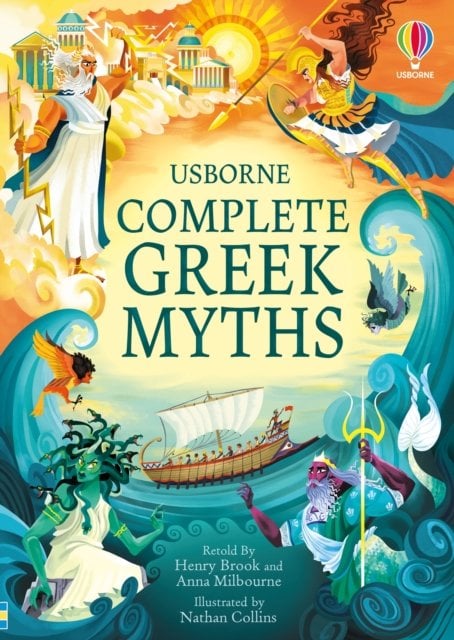
Complete Greek Myths: An Illustrated Book of Greek Myths
Featuring detailed retellings, beautiful character illustrations, and cultural background, this comprehensive volume brings the best-known and obscure Greek myths to life for readers of all ages. Complete with maps, a glossary, and a QR code for pronunciation guides and extra resources, it is an essential addition to any family bookshelf.
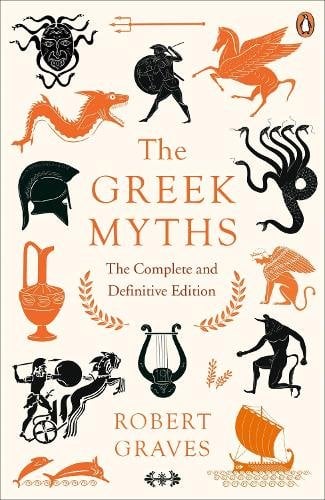
The Greek Myths: The Complete and Definitive Edition
Robert Graves’s definitive edition weaves the classic Greek myths, from the Labours of Hercules to the Trojan War, into one sweeping, authoritative narrative. Perfect for both first-time readers and classicists, this comprehensive volume combines engaging storytelling with detailed scholarly commentary and a complete index of names.
The Odyssey
Homer’s timeless epic The Odyssey follows the hero Odysseus on a perilous decade-long journey home from Troy, facing mythical monsters and divine wrath. Meanwhile, his wife Penelope and son Telemachus defend their kingdom against ruthless suitors in this classic tale of loyalty and endurance.