Famous Myths: The Story of Theseus and the Minotaur
The myths of ancient Greece have captivated human imagination for millennia, weaving tales of heroism, adventure, and moral lessons. Among these narratives, the story of Theseus and the Minotaur stands out as a gripping saga of courage, intelligence, and personal transformation. Set against the backdrop of ancient Crete and Athens, this tale intertwines the themes of identity, sacrifice, and the battle between civilization and savagery.
The Origins
The tale begins in the city of Athens, where King Aegeus rules. Aegeus is childless and desperate for an heir. After consulting the Oracle of Delphi, he learns that he will only have a son when he returns to Athens. Subsequently, he spends a night with Aethra, a princess of Troezen, who later gives birth to Theseus. Aegeus instructs Aethra to raise Theseus without revealing his identity but leaves behind a sword and a pair of sandals under a large rock, which Theseus will retrieve when he is strong enough to claim his heritage.
As Theseus grows up, he becomes aware of his lineage and the trials he must face in proving himself as the rightful heir to the throne of Athens. In an impressive display of skill and bravery, he navigates the perilous journey from Troezen to Athens, overcoming numerous challenges, including bandits and wild animals along the way. Each conquest on his journey not only solidifies his reputation as a hero but also represents his transformation from a boy to a man.
The Labyrinth and the Minotaur
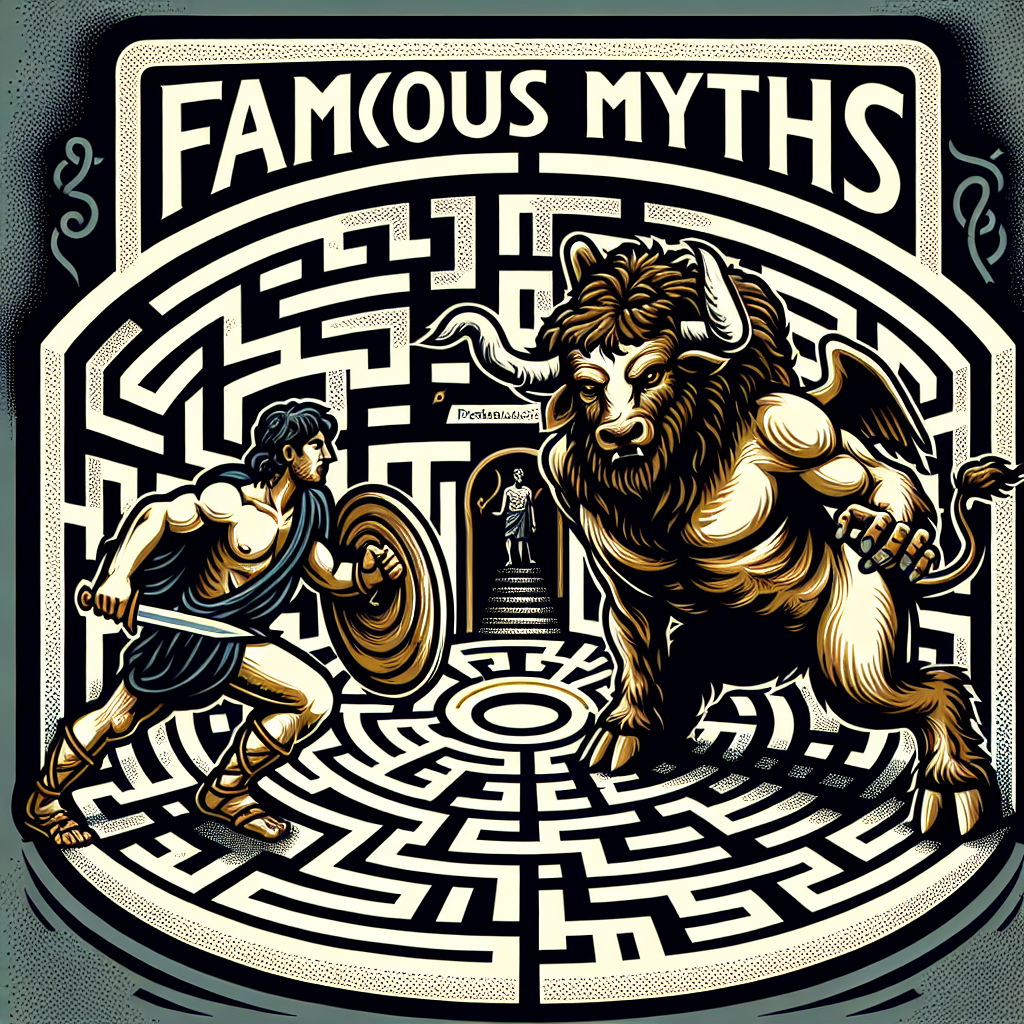
The narrative takes a darker turn when we learn about King Minos of Crete, who, to avenge the death of his son, demands tribute from Athens in the form of seven young men and seven maidens every nine years to be fed to the Minotaur— a monstrous creature with the body of a man and the head of a bull. The Minotaur resides in the Labyrinth, a complex maze created by the ingenious inventor Daedalus, which makes it impossible to escape.
When Theseus learns of the tragedy befalling Athens, he volunteers to be one of the tributes sent to Crete, determined to confront the beast and end the suffering of his people. His bravery shines brightly as he prepares to take on a monster that has instilled fear in the hearts of many. Theseus’s decision to enter the Labyrinth represents not just an act of physical courage but also a willingness to confront chaos and darkness in order to bring about change.
Ariadne: Love and Sacrifice
In Crete, Theseus meets Princess Ariadne, the daughter of King Minos. Struck by his bravery and charisma, Ariadne falls in love with him and provides him with a crucial tool for his mission: a ball of thread. With this thread, Theseus can navigate the treacherous paths of the Labyrinth, marking his route so he can find his way back after slaying the Minotaur. This act of love adds a romantic dimension to the myth, illustrating themes of companionship, sacrifice, and the interdependence of characters in the pursuit of a shared goal.
The Labyrinth itself can be seen as a metaphor for life’s complications—an intricate web of choices, fears, and challenges. By providing Theseus with the thread, Ariadne symbolizes the importance of guidance and support as one navigates through these complexities. Their partnership serves as a reminder that the journey toward overcoming one’s personal demons often requires the help of others.
The Confrontation and Victory
As Theseus delves into the Labyrinth, the tension builds. He confronts the Minotaur in a ferocious battle, showcasing both his physical prowess and strategic thinking. The monster represents not just a physical foe, but also the savage and untamed aspects of human nature. In this confrontation, Theseus embodies the civilized spirit, striving to bring order to the chaos represented by the Minotaur.
After defeating the beast, Theseus follows the thread back to safety, emerging triumphantly from the Labyrinth. His victory symbolizes the triumph of intelligence and bravery over brute force and reaffirms the values of courage and ingenuity that are central to the identity of the hero in Greek mythology.
The Aftermath and Themes of Betrayal
Upon returning to Athens with the other tributes, Theseus’s journey isn’t over. He and Ariadne escape Crete together, but their love story takes a tragic turn. Abandoning Ariadne on the island of Naxos, possibly after receiving a divine command, Theseus’s actions reflect the complexity of human relationships and the often tumultuous nature of heroism. The decision to leave Ariadne behind has been interpreted in various ways—perhaps as a commentary on the sacrifices made in the pursuit of personal ambition, or as a cautionary tale about the fragility of love and loyalty.
This aspect of the myth reminds us that hero characters are not immune to flaws; they often struggle with personal dilemmas that add depth to their narratives. Even celebrated heroes can make unenviable decisions that lead to unintended consequences, challenging the notion of absolute virtue.
Legacy
The story of Theseus and the Minotaur has transcended its ancient origins, continuing to inspire literature, art, and contemporary storytelling. It raises essential questions about identity, strength, and the complexities of heroism. Theseus’s journey teaches us about the importance of confronting our fears, seeking support from others, and recognizing the ethical ambiguity in our choices.
As we reflect on this tale, we find that the struggles faced by Theseus resonate through time. His adventure reminds us that the journey toward self-discovery often requires both courage and sacrifice. The narrative encourages us to confront our own “Minotaurs,” whether they be personal fears, societal challenges, or even the darker aspects of human nature.
In essence, the myth of Theseus and the Minotaur is not just a story of a hero who vanquishes a monster, but rather a profound exploration of the human condition—a tale as relevant today as it was in ancient Greece. The Labyrinth awaits each of us, and within its winding paths lies the potential for both greatness and tragedy. It is up to us to navigate the twists and turns with courage, wisdom, and the support of those we love.
Recommended reading
These are affiliate links. If you buy through them, we may earn a commission at no extra cost to you.
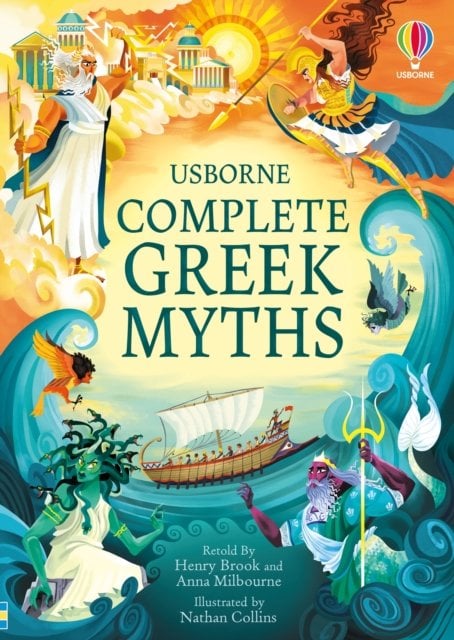
Complete Greek Myths: An Illustrated Book of Greek Myths
Featuring detailed retellings, beautiful character illustrations, and cultural background, this comprehensive volume brings the best-known and obscure Greek myths to life for readers of all ages. Complete with maps, a glossary, and a QR code for pronunciation guides and extra resources, it is an essential addition to any family bookshelf.
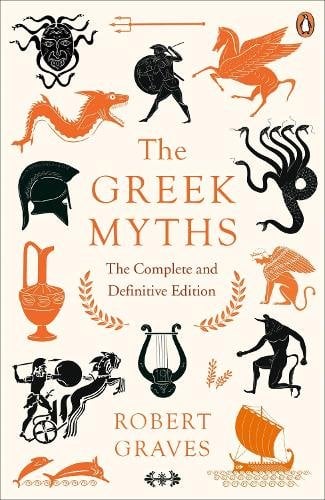
The Greek Myths: The Complete and Definitive Edition
Robert Graves’s definitive edition weaves the classic Greek myths, from the Labours of Hercules to the Trojan War, into one sweeping, authoritative narrative. Perfect for both first-time readers and classicists, this comprehensive volume combines engaging storytelling with detailed scholarly commentary and a complete index of names.
The Odyssey
Homer’s timeless epic The Odyssey follows the hero Odysseus on a perilous decade-long journey home from Troy, facing mythical monsters and divine wrath. Meanwhile, his wife Penelope and son Telemachus defend their kingdom against ruthless suitors in this classic tale of loyalty and endurance.