The Symbiotic Relationship Between Myth and Culture
The Symbiotic Relationship Between Myth and Culture
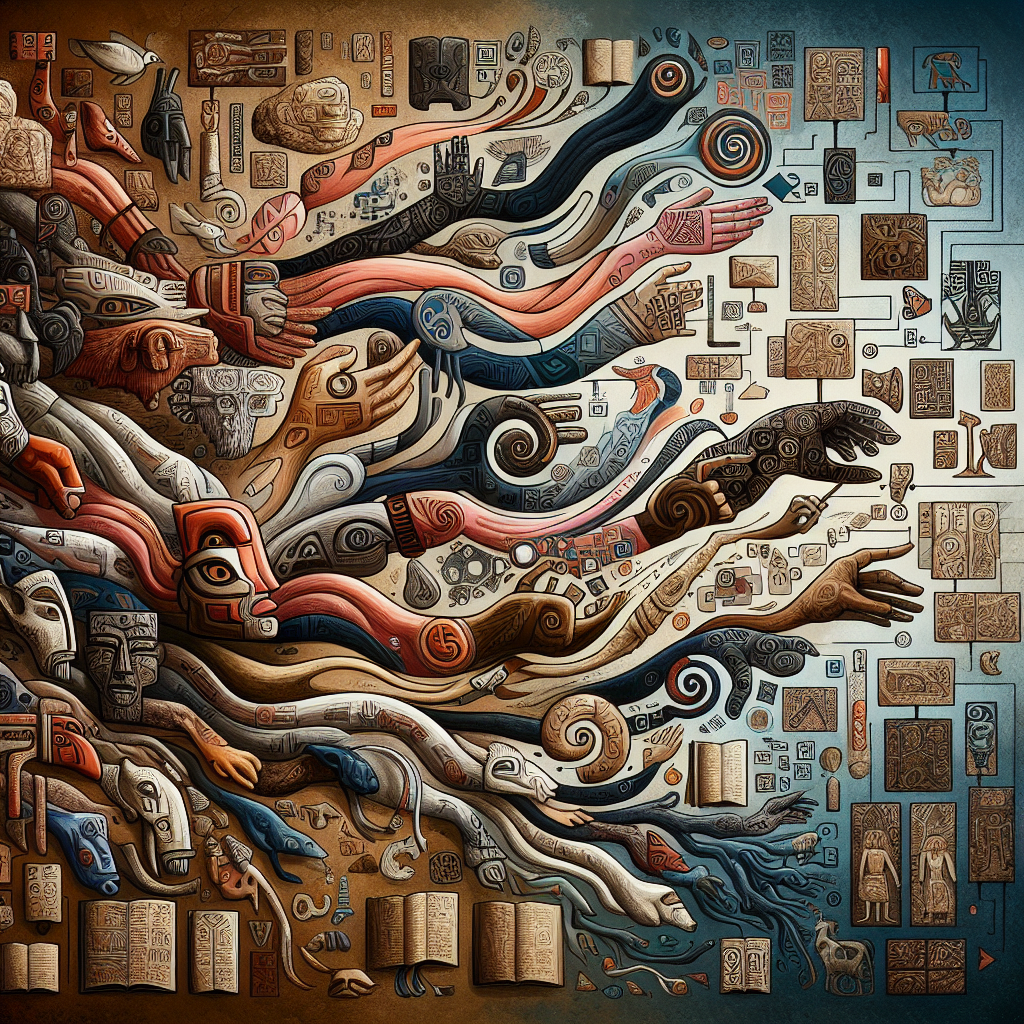
In exploring the intricate tapestry of human civilization, one can scarcely overlook the profound influence of myth on culture. Myths are not just ancient tales; they are potent narratives that shape beliefs, social norms, and collective identities. The relationship between myth and culture is both dynamic and reciprocal, wherein myths inform cultural expressions, while culture provides a fertile ground for myths to evolve and flourish. This article delves into the multifaceted interplay between myth and culture, illustrating how they coalesce to form the essence of human experience.
The Nature of Myth
At its core, a myth is a traditional story that explains natural phenomena, human behavior, and cultural practices through allegorical interpretations. Myths often entail gods, heroes, and supernatural events that encapsulate universal themes such as life, death, and the quest for meaning. They serve as vehicles for conveying moral lessons, cultural values, and historical narratives. Moreover, myths may vary widely across cultures, reflecting the unique contexts, challenges, and aspirations of different societies.
Culture as a Vessel
Culture encompasses a wide array of human activities, encompassing art, religion, politics, and social customs. It can be viewed as the lens through which individuals interpret their world and their place within it. Culture operates as a vessel that contains, transmits, and transforms myths. As societies evolve, they reshape their myths to align with contemporary values, thereby ensuring their relevance and resonance. This dynamic nature of culture allows myths to be reinterpreted, adopted, and adapted over generations.
For instance, the myth of Prometheus—a Titan who stole fire from the gods to give it to humanity—has undergone various interpretations throughout history. Originally a symbol of defiance against divine authority, Prometheus has been appropriated by different cultural movements, from Romanticism to modern existentialism. Each interpretation reflects the cultural zeitgeist of its time, underscoring how myths are not static but continually redefined by the societies that embrace them.
Myth as a Reflection of Cultural Identity
Myths often serve as a mirror that reflects the values, fears, and aspirations of a culture. They offer a narrative framework that helps communities understand their identity and heritage. By recounting foundational myths—stories of origin, heroes, and ancestral spirits—cultures promote a sense of belonging and continuity. This is particularly significant for Indigenous cultures, whose mythologies often hold sacred knowledge about the land, ancestors, and their relationship with nature.
Take, for example, the Indigenous peoples of North America, whose creation myths often emphasize harmony with the Earth and respect for all living beings. These narratives embody the values of stewardship and interconnectedness, deeply influencing cultural practices and ethical frameworks within these communities. In this way, myths encapsulate cultural heritage, offering both a lens through which to view the past and a guide for future generations.
The Role of Myth in Social Cohesion
Myths play a crucial role in fostering social cohesion. They create shared narratives that bind individuals together, forming a collective identity. The rituals, festivals, and storytelling traditions surrounding myths serve as communal experiences that reinforce group solidarity. This is evident in numerous cultures that celebrate annual festivals rooted in mythological narratives, such as the Hindu festival of Diwali or the Greek celebration of the Eleusinian Mysteries.
Such events not only preserve the myths themselves but also invigorate the culture as a living entity. They provide opportunities for individuals to connect with one another and with their ancestry, reinforcing the norms and values that define their society. The collective experience of mythological narratives helps to cultivate a shared understanding—a cohesive worldview that unites individuals, even in an increasingly globalized context.
The Evolution of Myth in Contemporary Culture
In a modern context, myths have not disappeared; instead, they have transformed and adapted to new paradigms. Contemporary culture is rife with reimagined myths, from comic book superheroes to pop culture phenomena that echo ancient themes. These new narratives often address current societal issues, encapsulating concerns about power, morality, and identity in a rapidly changing world.
For instance, the superhero genre, which has become an integral part of modern storytelling, mirrors ancient mythological tropes. Characters like Superman and Wonder Woman serve as modern-day demigods, grappling with challenges that reflect contemporary anxieties about social justice, environmental crises, and personal morality. Just as ancient myths served to communicate societal values and aspirations, modern myths provide a framework for individuals to navigate the complexities of life in the 21st century.
Challenges to Traditional Myths
While myths hold transformative power, the rapid pace of societal change presents challenges to traditional narratives. Globalization, technological advancement, and cultural interchange can lead to the dilution of cultural myths, as they increasingly blend or clash with other narratives. In some cases, this convergence can lead to revitalization and innovation; in others, it may result in the erosion of unique cultural expressions.
The challenge lies in finding a balance between preserving traditional myths and embracing their evolution. As younger generations engage with global narratives, there is a necessity to adapt and reinterpret myths in a manner that resonates with contemporary identities.
Conclusion
The symbiotic relationship between myth and culture is integral to understanding the human experience. As vessels of cultural identity, myths shape beliefs, reinforce social bonds, and adapt to changes in the zeitgeist. They are living narratives that evolve while maintaining a connection to their roots. In a world marked by rapid change, the ongoing dialogue between myth and culture remains vital for fostering understanding, continuity, and a sense of belonging. As we navigate our own cultural landscapes, acknowledging and embracing the interplay of myth and culture allows us to better comprehend the stories that shape our lives and communities. In this perpetual dance, myths continually inform culture, while culture provides the fertile ground for myths to grow, adapt, and thrive.
Recommended reading
These are affiliate links. If you buy through them, we may earn a commission at no extra cost to you.
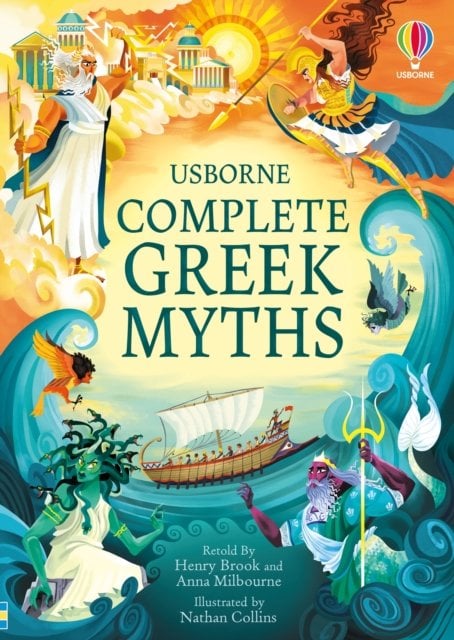
Complete Greek Myths: An Illustrated Book of Greek Myths
Featuring detailed retellings, beautiful character illustrations, and cultural background, this comprehensive volume brings the best-known and obscure Greek myths to life for readers of all ages. Complete with maps, a glossary, and a QR code for pronunciation guides and extra resources, it is an essential addition to any family bookshelf.
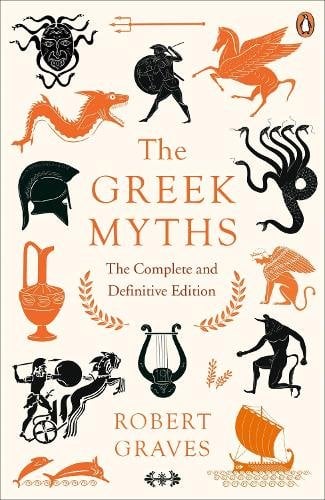
The Greek Myths: The Complete and Definitive Edition
Robert Graves’s definitive edition weaves the classic Greek myths, from the Labours of Hercules to the Trojan War, into one sweeping, authoritative narrative. Perfect for both first-time readers and classicists, this comprehensive volume combines engaging storytelling with detailed scholarly commentary and a complete index of names.

The Odyssey
Homer’s timeless epic The Odyssey follows the hero Odysseus on a perilous decade-long journey home from Troy, facing mythical monsters and divine wrath. Meanwhile, his wife Penelope and son Telemachus defend their kingdom against ruthless suitors in this classic tale of loyalty and endurance.