Celebrating Festivals: Norse Mythology in Seasonal Traditions
Norse mythology, rich with tales of gods, giants, and cosmic struggles, is intricately woven into the fabric of seasonal festivals celebrated in various cultures today. As the world often revolves around the cycles of nature, ancient Norse traditions provide a lens to understand how our ancestors celebrated their relationships with the seasons. From the depths of winter to the flush of summer, Norse lore has played a pivotal role in shaping seasonal festivities, intertwining spirituality, agriculture, and community.
The Connection Between Seasons and Mythology
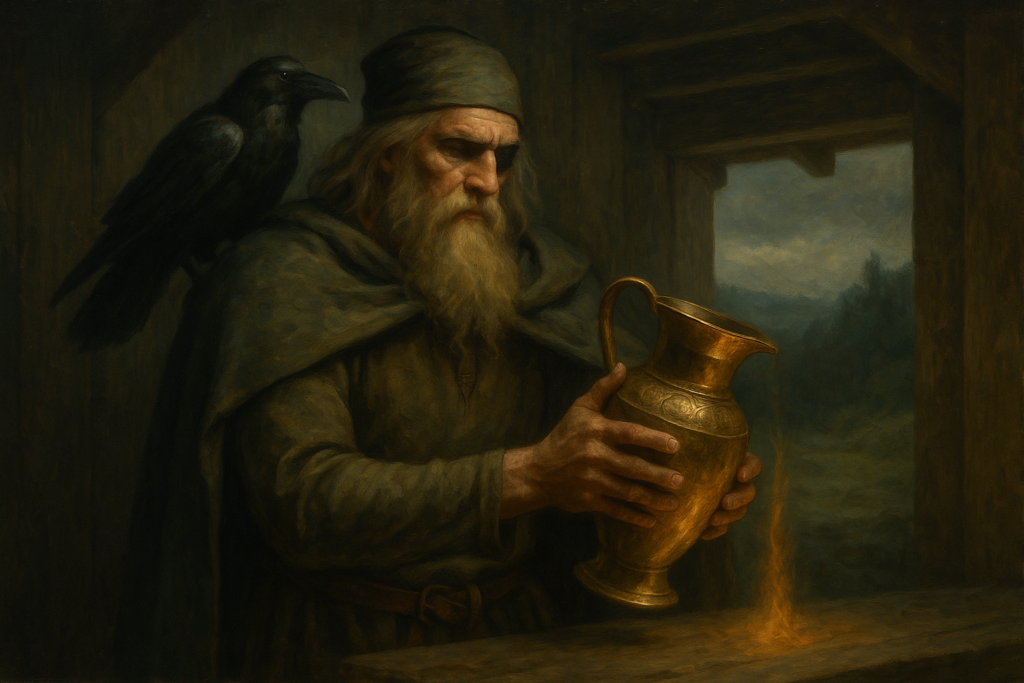
In Norse culture, the rhythm of life was tightly bound to the seasonal changes. The sacred narratives surrounding deities such as Odin, Thor, and Freyja served as allegorical reflections of these cycles. For instance, Odin, the god of wisdom and war, could represent the darker days of winter, while Freyja, associated with fertility and love, embodies the rejuvenation of spring and the bounty of summer.
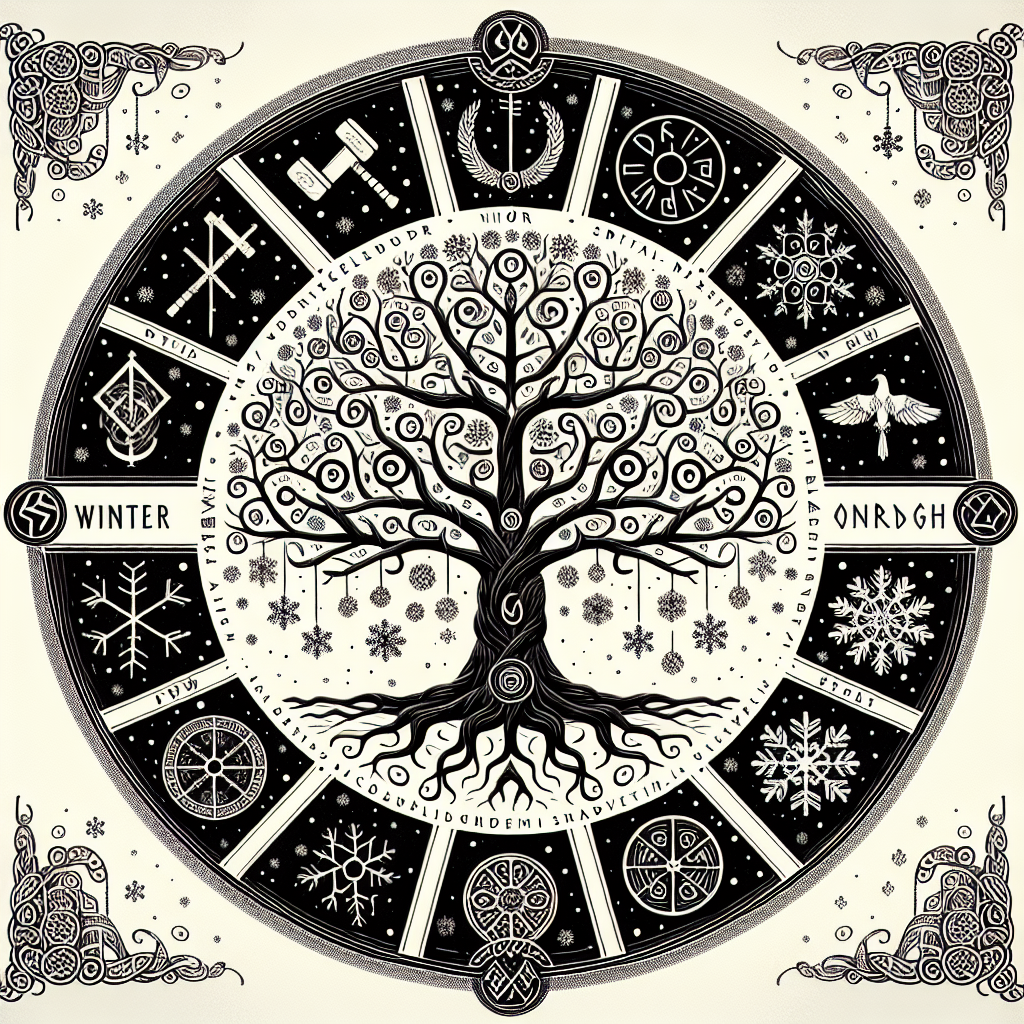
The Norse cosmology also recognized Yggdrasil, the World Tree, as a central pillar linking all realms. It signified life’s continuous cycle, with its branches representing the heavens and roots anchoring it to the underworld, suggesting the interdependence of seasonal transformations and mythic narratives. This understanding fostered a deep respect for natural phenomena, influencing agricultural practices and communal festivities.
Winter Solstice: Yule
Yule, celebrated around the winter solstice, stands out as one of the most significant festivals in Norse mythology. Historically, it marked the return of the sun after the darkest days, symbolizing rebirth. This celebration, rooted in pre-Christian traditions, eventually evolved into what many now recognize as Christmas.
The Yule festival was multifaceted, involving rituals such as the Yule log, which was believed to harbor the spirit of the old year and welcomed the new one. Families would gather around the fire, share stories, and honor the gods and ancestors, fostering a communal spirit that transcended individual households.
Offerings were made to Norse gods to ensure prosperity in the coming year. In addition to Odin, who was associated with the giving of gifts, attention was also directed toward the fertility god Frey, who was invoked for a bountiful harvest. The traditions of feasting, gift-giving, and merriment captured the essence of reawakening energy, hope, and light, echoing Norse mythology’s emphasis on cycles of death and resurrection.
Spring Equinox: Ostara
As winter wanes and spring’s warmth begins to touch the land, the spring equinox, known as Ostara, emerges. Named after the goddess Eostre, who embodies fertility and rebirth, this festival celebrates the balance between light and dark and the promise of new life.
In Norse mythology, Freyja plays a vital role during Ostara, representing love, fertility, and the vibrant growth that spring heralds. Customs included planting seeds—both literally and symbolically—as a way to honor Freyja and call upon her blessings for the upcoming agricultural season. Homes were often adorned with flowers and greenery, encapsulating the joy of renewal.
Throughout history, Ostara included ritual feasting and community gatherings where tales of old were recited. These stories, rich with lessons and moral undertones, were not merely entertainment but served to transmit cultural values and beliefs across generations. As such, Ostara represented not just the arrival of spring but also reinforced the bonds of community and tradition.
Summer Solstice: Midsummer
As the sun reaches its peak during the summer solstice, Midsummer festivities take center stage. This celebration is deeply rooted in Norse mythology, acknowledging the power of the sun and its nurturing qualities. The longest day of the year served as a reminder of Thor’s relentless battle against the giants, as he ensured the sun’s light would penetrate the darkness they threatened to cast.
Midsummer was a time for communal gatherings, where bonfires were lit to symbolize the sun’s warmth and vitality. People would dance around the fire, celebrating life and love while invoking blessings for prosperity and protection. Traditionally, herbs believed to have protective powers were collected during this time and were used in rituals—showcasing a blend of reverence for nature and an understanding of its cycles.
Celebrating the abundance and vigor of summer, these festivals were integral to agricultural societies, offering a chance to express gratitude for the earth’s generosity. Additionally, tales of gods and heroes were recounted, serving both as entertainment and a means to impart moral wisdom reinforcing societal norms.
Autumn Equinox: Harvest Festivals
As harvest season approaches, the autumn equinox marks a significant turning point in many Norse-inspired celebrations. Known as the time of “Alfablot,” these rituals were dedicated to the spirits and deities of the land and to the ancestors who provided for the community. This festival was steeped in gratitude, as people offered thanks for the bounty and sought blessings for the cold months ahead.
The harvest festival also honored the god Frey, who was often depicted as a provider of wealth and abundance. The connection between Frey and agricultural success is reflective of the importance placed on understanding the agricultural cycle, which was essential for survival. Offering food, drink, and even livestock to the gods was common in hopes of securing their favor for future yields.
Community gatherings offered a space for people to reflect on their shared experiences while celebrating the fruits of their labor. This was not merely a time of feasting but also one of storytelling, extending the threads of Norse mythology into the collective consciousness, as tales of the gods intertwined with the realities of daily life.
Conclusion: The Legacy of Norse Festivals
In the present day, many cultural practices echo the ancient celebrations steeped in Norse mythology. While modern interpretations may vary, the underlying principles connecting humanity to nature remain. Seasonal festivals today often draw inspiration from these ancient customs, demonstrating a collective yearning for connection, growth, and renewal.
By celebrating these cycles of change and honoring the myths that encapsulate them, we maintain a link to our ancestors, finding resonance in their stories and practices. The beauty of Norse mythology lies in its capacity to transform seasonal celebrations into sacred acts of remembrance that not only mark time but create a sense of belonging within the tapestry of life.
Thus, as we gather to celebrate the various seasons, we continue to weave the narratives of the past into our present, nurturing a shared identity that resonates through time. Whether in the sincerity of Yule, the abandon of Midsummer, or the gratitude of harvest, Norse mythology and its seasonal traditions remind us that we are all part of a greater cycle, enriched by the unity of community, nature, and spirit.