The Impact of Imperial Politics on Mythological Narratives
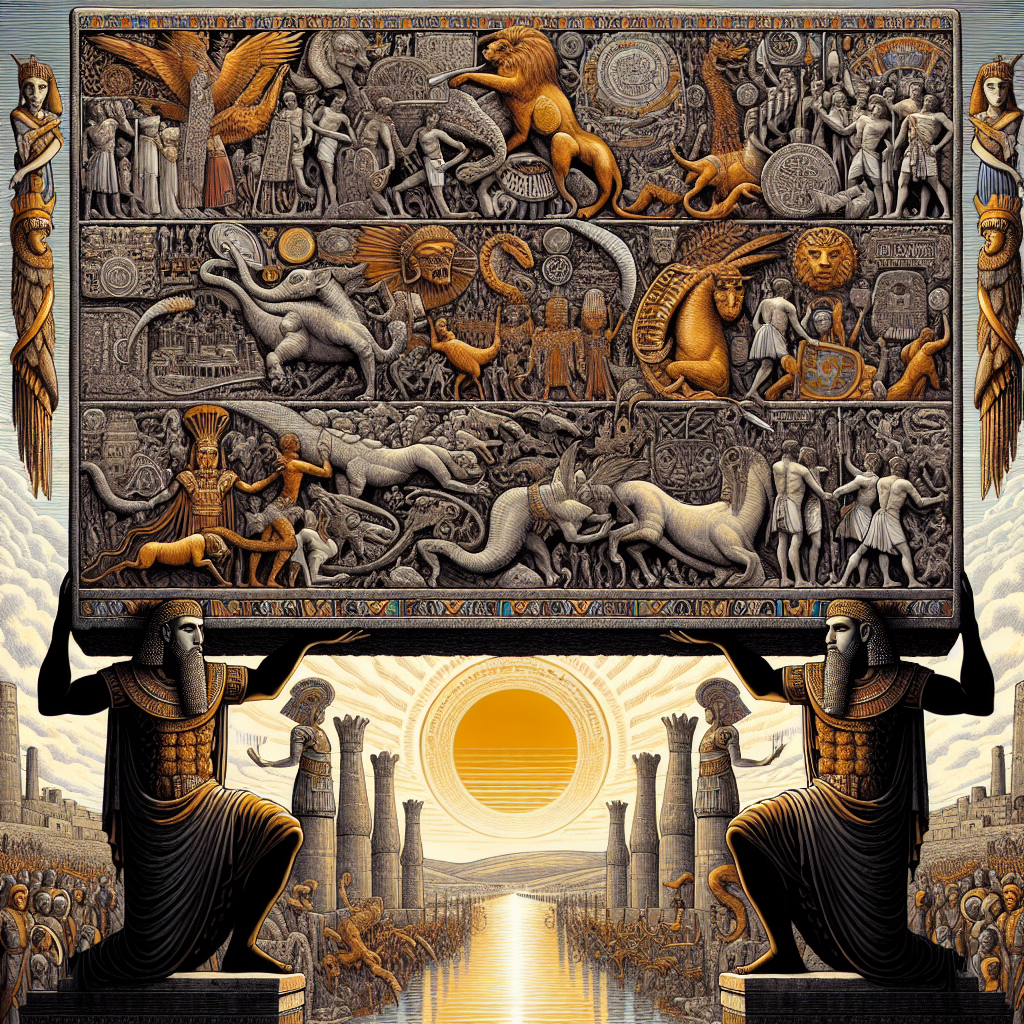
Mythology has long served as the backbone of cultural storytelling across civilizations, providing insights into the societal values, political structures, and existential inquiries of a given time. However, as empires expanded and contracted throughout history, they often wielded power not just over land and resources but also over the very narratives that defined them and their subjects. The interplay between imperial politics and mythology reveals how power dynamics shape cultural identity, reinforce authority, and manipulate collective memory.
The Evolving Nature of Myths
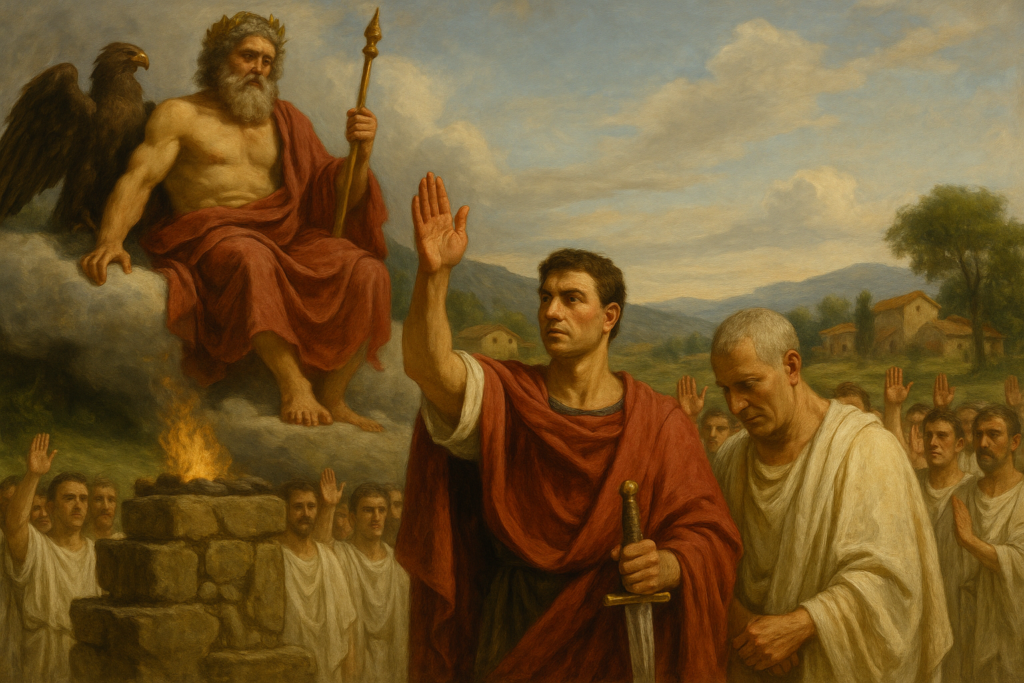
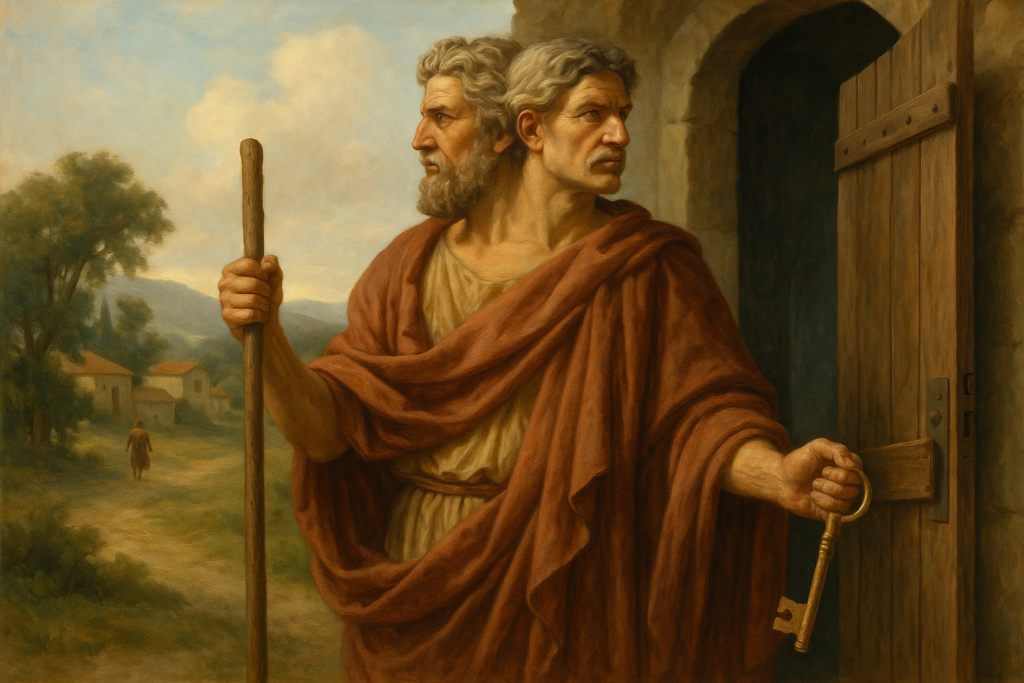
Myths are not static; they evolve over time, reflecting the contexts in which they are situated. The rise and fall of empires often coincide with a reexamination or rewriting of prevailing myths. For instance, the Roman Empire, through its conquests, assimilated the deities and narratives of the peoples they subdued. This led to a syncretic blend of mythologies, enriching Roman cultural fabric but also subtly altering the traditional narratives of subjugated groups. The story of Hercules, originally a Greek myth, was adapted in Roman culture to reflect Roman values of strength and virtue. This shift not only changed the narrative’s meaning but also reinforced Rome’s cultural dominance over Greece by claiming its heroes as part of the imperial identity.
Imperial Ideology and Myth Making
Imperial politics often necessitate the creation of myths that legitimize authority and power. The concept of the “Chosen People” in the Hebrew Scriptures is one such example, where divine selection aligns with the political aspirations of the Israelites. Similarly, the narratives surrounding the divine right of kings in Medieval Europe served to reinforce monarchical power, suggesting that the monarchy was divinely sanctioned. These narratives were not merely stories; they were integral to maintaining social order and justifying often violent imperial expansions.
In the case of the British Empire, myths developed around figures like Arthur Pendragon, who was portrayed as an ideal king embodying noble virtues. Arthurian legends became a vehicle for uniting diverse territories under a narrative that transcended geographical differences. The invocation of such myths served to justify the empire’s colonial endeavors, framing them as a quest for the restoration of a glorious past or the spread of civilization. In this way, imperial ideology directly influenced the development and propagation of mythological narratives.
Cultural Resistance and Counter-Narratives
Empires not only shaped the myths of those they dominated; they also engendered counter-narratives that sought to resist imperial authority. For instance, in colonized regions, local myths often emerged or were revived as means of asserting identity and sovereignty. The folklore surrounding figures like Robin Hood in England, who resisted corrupt authority, served as a reflection of the tensions between the monarchy and the common people. In this context, myth became a tool of resistance, allowing oppressed communities to challenge the status quo and reclaim their narratives.
In colonized territories like India, British rule prompted the revival and reinterpretation of ancient myths. Characters like Rama and Krishna were reimagined in the context of resistance against colonial oppression. The epic Ramayana became a source of inspiration for anti-colonial movements, as the themes of justice and righteousness were reframed to criticize colonial rule. This adaptation of narratives played a crucial role in galvanizing social movements and fostering a sense of unity among diverse groups facing imperial domination.
The Role of Religion in Imperial Narratives
Religion and mythology are intimately connected, and empires have often used religious narratives to consolidate power. The spread of Christianity during the Roman Empire serves as an exemplary case, illustrating how ancient myths were repurposed to fit the emerging Christian narrative. Pagan myths, once central to Roman religious practices, were reframed to align with Christian beliefs, leading to the creation of new stories and saints based on older mythological figures. This not only facilitated the conversion of the populace but also allowed the empire to maintain control over disparate beliefs.
In a similar vein, the Islamic Caliphates utilized the rich tapestry of pre-Islamic Arabian mythology to integrate newly conquered peoples. By intertwining local beliefs with Islamic teachings, empire builders created a sense of belonging among various tribes while reinforcing Islamic principles. The historical context provided fertile ground for mythological narratives that would maintain order and cohesion throughout vast and diverse territories.
Modern Politics and Mythology
In contemporary times, the impact of politics on mythological narratives continues to unfold. The construction of national myths in modern nation-states often draws upon historical myths to establish a sense of identity and unity. In the United States, the myth of the American Dream functions as both a motivating narrative and a political tool, shaping the discourse around freedom and opportunity. This modern myth is imbued with themes of conquest and ambition, echoing the colonial past while simultaneously glossing over the complex realities of societal inequities.
Moreover, the use of strikingly nationalist myths during times of political unrest indicates how political leaders may invoke historical narratives to solidify their power. Leaders like Vladimir Putin in Russia frequently reference historical figures and events to reinforce a sense of Russian identity and purpose. The Great Patriotic War becomes a central narrative in this regard, shaping both public sentiment and national policy. Such political manipulation of mythology serves to unify the population under a common banner while serving specific political agendas.
Conclusion
The intricate dance between imperial politics and mythological narratives reveals profound insights into human nature, cultural identity, and societal values. The myths that rise and fall alongside empires serve not only as reflections of their time but also as instruments of power, resistance, and identity. In understanding this dynamic, we gain valuable perspectives on how stories shape our history and the ongoing struggle for cultural recognition and sovereignty. As nations continue to navigate their narratives in an increasingly complex world, the interplay between myth and politics remains a crucial element in the quest for identity and belonging amidst the shadows of empire.