Heroes and Monsters: The Duality of Roman Myths
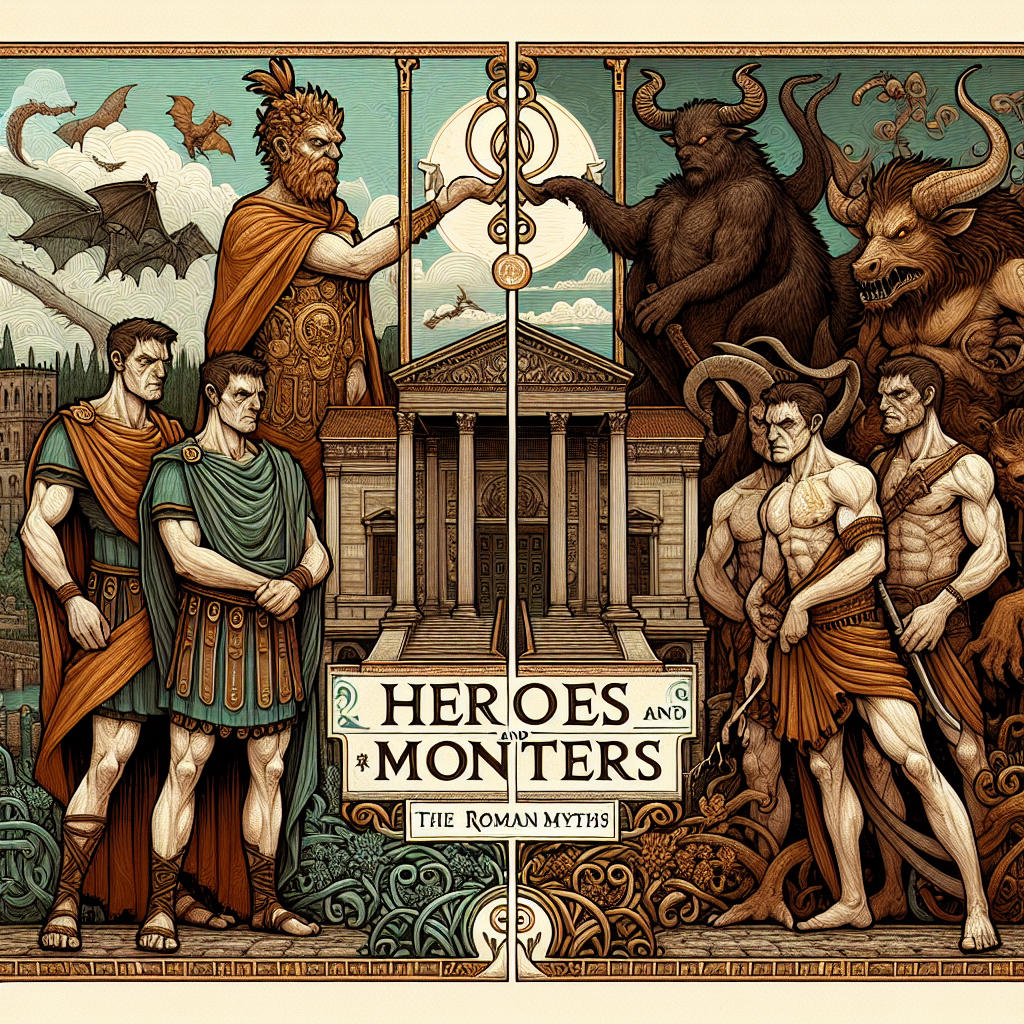
The mythology of ancient Rome serves as a profound reflection of the cultural, social, and political landscapes of the time. At the core of Roman myths lies a gripping duality: the coexistence of heroes and monsters. This duality not only encapsulates the struggles and aspirations of the Roman people but also illuminates deep psychological themes that resonate even today. The exploration of heroes and monsters in Roman mythology reveals how these figures embody human virtues and vices, showcasing the complexities of Roman identity.
The Concept of the Hero
In Roman mythology, heroes are often larger-than-life figures who symbolize ideal virtues such as bravery, honor, and loyalty. Characters like Aeneas, the Trojan hero in Virgil’s “Aeneid,” exemplify these traits. Aeneas represents the quintessential Roman ideal of duty to family and country. His journey from Troy to Italy is not just a physical pilgrimage but also a metaphorical exploration of Roman values. He embodies virtues that are foundational to Roman identity: pietas (duty), virtus (courage), and fides (faithfulness).
Similar heroes populate Roman lore, including figures like Hercules and Achilles. Hercules, despite his divine parentage and incredible strength, is also characterized by his flaws. His struggles against madness and his quest for redemption highlight the complexity of heroism in Roman narratives. Romans revered Hercules not just for his strength but for his resilience in overcoming personal demons, representing the notion that heroism is not devoid of internal conflict.
The Monsters of Myth
In stark contrast to these heroic figures stand the various monsters of Roman mythology. Creatures like the Minotaur, Medusa, and the Cyclopes symbolize chaos, fear, and the darker aspects of human nature. These monsters often personify societal fears, such as the unknown, the uncontrolled, and the destructive. The very existence of monsters within myths reflects the anxieties of a civilization grappling with its identity in a world fraught with unpredictability.
For instance, the story of the Gorgon Medusa serves as a powerful allegory for the consequences of unchecked power and female sexuality. Once a beautiful maiden, her transformation into a monster is both a punishment and a warning to those who defy the gods. Medusa’s gaze, which turns men to stone, illustrates how fear of the ‘other’ or the female ‘temptress’ can lead to destruction. Furthermore, the Minotaur, a creature born of hubris, highlights the disastrous outcomes of pride and moral decay. Such narratives serve to caution against the consequences of straying from virtuous conduct.
The Interplay of Heroes and Monsters
The relationship between heroes and monsters in Roman mythology reflects a cycle of conflict and resolution. Heroes are invariably pitted against these monstrous entities, and their battles symbolize the struggle between civilization and chaos. This dynamic is seen in the epic confrontations between heroes like Hercules and the formidable beasts he faces, including the Nemean Lion and the Hydra. Each victory signifies not just a triumph of strength but an affirmation of societal values against corrupting forces.
Moreover, the monsters often represent internal struggles faced by the heroes themselves. The conflict with external monsters serves as a metaphor for the internal dilemmas that characters like Aeneas experience. In facing external dangers, heroes confront their own fears, insecurities, and moral complexities. The harrowing journey through the Underworld, for instance, becomes a symbol of Aeneas’s personal growth and exploration of what it means to be a true leader and protector of his people.
The Duality of Human Nature
Underlying the narratives of heroes and monsters lies a deeper philosophical exploration of human nature. The Romans were acutely aware that virtues and vices reside within everyone. The imperfections of heroes like Hercules challenge the notion of perfection, illustrating that even the mightiest can falter. This duality fosters a recognition that courage, honor, and duty are often accompanied by flaws and failures. Heroes, in their struggles, become relatable and, in turn, inspire their audience to strive for greatness despite their own imperfections.
Conversely, the monsters of mythology serve as cautionary tales about the dark potential within humanity. They remind us that, at any moment, an individual can become a monster by succumbing to their basest instincts. This duality fosters a reflective dialogue on morality, illustrating the thin line between heroism and monstrosity. The Roman psyche acknowledges the ever-present danger of falling into chaos and the moral decay that challenges social order.
Legacy and Cultural Resonance
The duality of heroes and monsters in Roman myths has transcended time, impacting literature, art, and popular culture across centuries. Many contemporary narratives echo the archetypal struggles found in these ancient myths. Modern stories continue to explore the complexities of human nature, often portraying characters who embody both heroic and monstrous traits. The ambiguity of such characters invites audiences to grapple with the moral implications of their choices.
Roman myths also serve as a source of inspiration for various artistic expressions, from Renaissance paintings of mythical battles to modern film adaptations of epic tales. The duality represented in these stories remains relevant today, reminding us that humanity is a tapestry interwoven with both light and dark threads.
Conclusion
The duality of heroes and monsters in Roman mythology offers a rich exploration of human character, morality, and cultural values. Through the lens of these archetypes, Romans articulated their ideals while grappling with their fears and flaws. The interplay between heroism and monstrosity speaks to the complexities of human nature, presenting a timeless narrative that continues to resonate with us. In understanding these themes, we not only gain insight into ancient civilizations but also confront the intricacies of our own humanity.