Gender Roles and Relationships in Norse Mythology
Gender Roles and Relationships in Norse Mythology
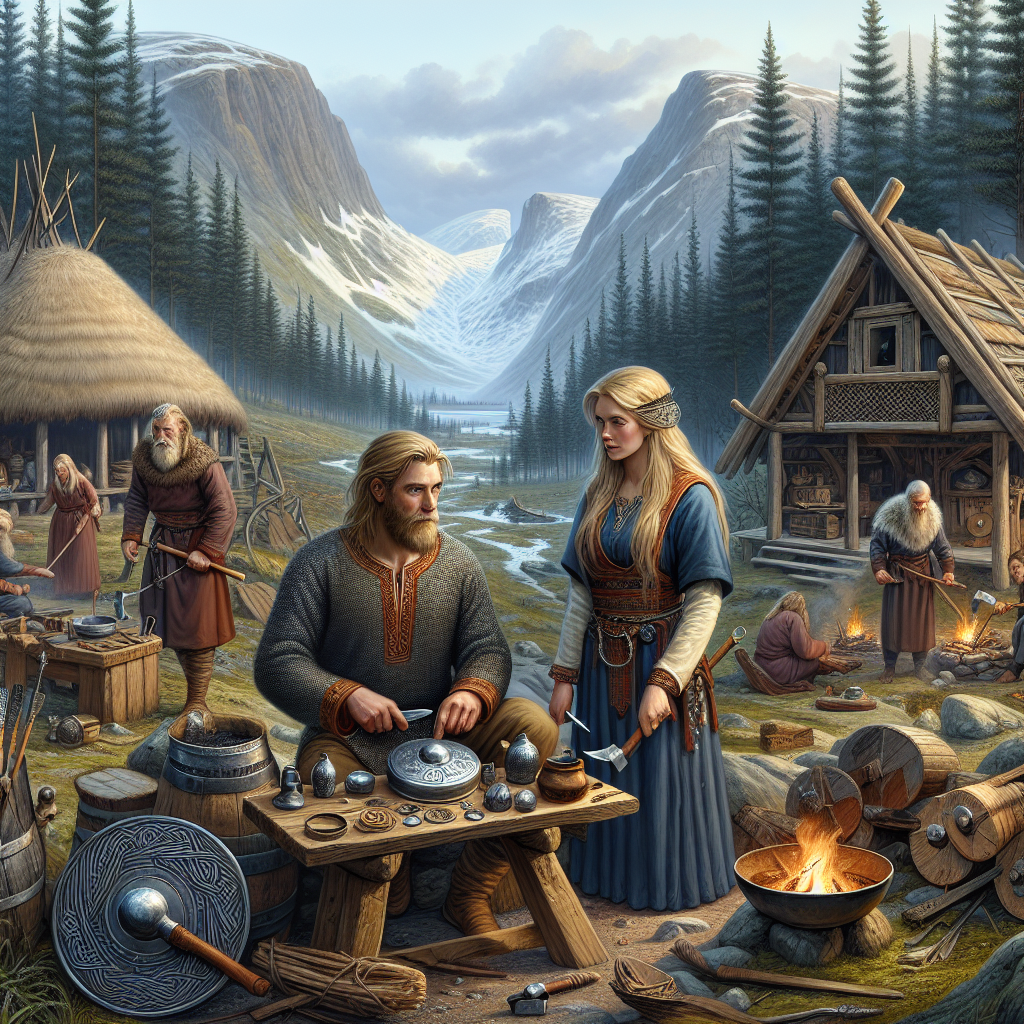
Norse mythology, encompassing the rich tapestry of myths from Scandinavia, offers fascinating insights into ancient Norse beliefs, cultural practices, and societal norms. At the heart of these narratives lies a complex web of gender roles and relationships that shapes how we understand the dynamics between male and female characters in myths. From the powerful god Odin to the fierce goddess Freyja, these figures define not only the roles assigned to each gender but also the shifting perspectives on masculinity and femininity, power, and agency.
The Pantheon of Gods and Goddesses
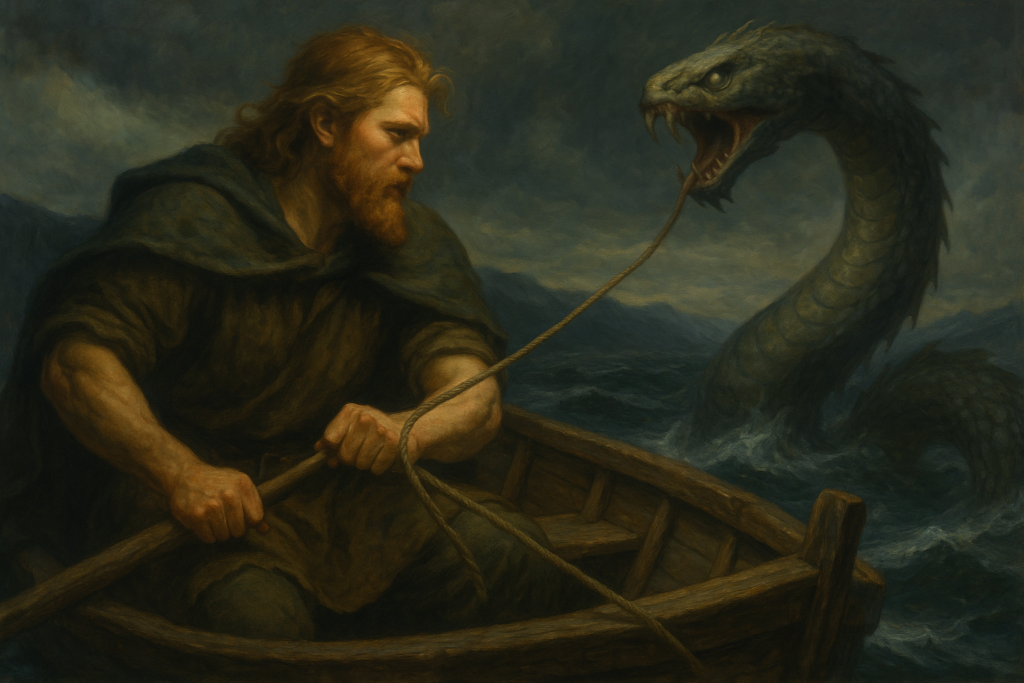
Norse mythology is populated by gods and goddesses, each embodying distinct attributes and societal roles. The male gods, such as Odin, Thor, and Loki, often are portrayed as warriors, rulers, and tricksters, emphasizing traits traditionally associated with masculinity: strength, honor, and cunning. Odin, the chief of the gods, embodies wisdom and sacrifice; he seeks knowledge at any cost, including losing an eye and sacrificing himself. His relationship with war and fate highlights masculine ideals tied to valor and leadership.
In contrast, goddesses such as Freyja, Frigg, and Hel reflect the multifaceted nature of femininity. Freyja, the goddess of love and war, challenges traditional roles by embodying both seduction and fierce independence. Her narrative allows for a broader interpretation of female agency, compelling women to navigate the complexities of power, love, and fertility.
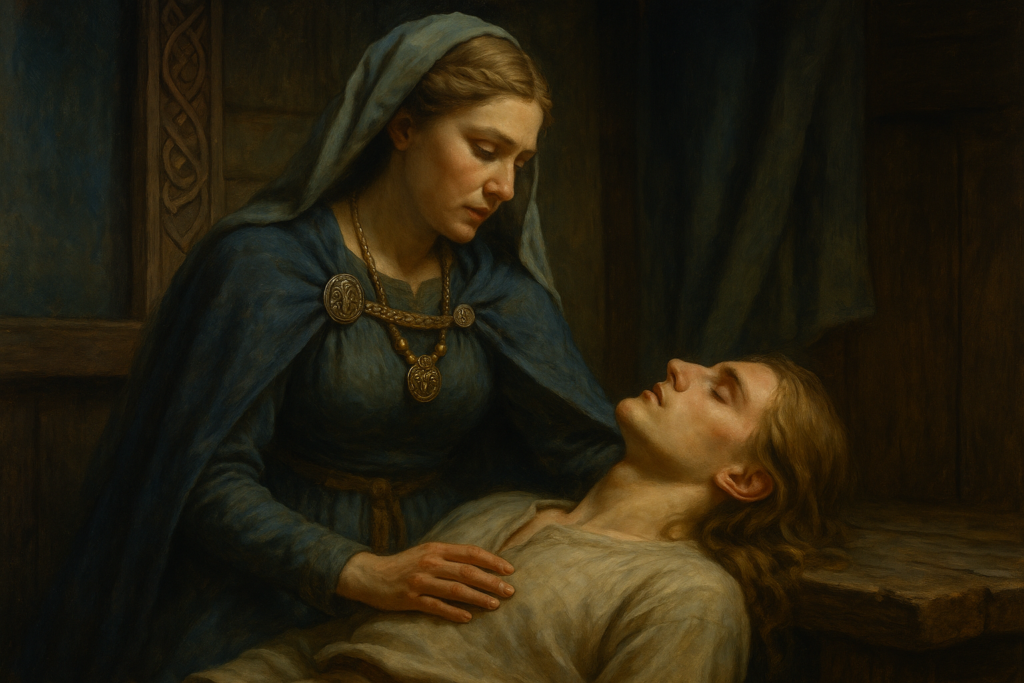
Frigg, Odin’s wife, offers another lens into female power. Often associated with motherhood and domesticity, her attributes extend to wisdom and prophecy, suggesting that female influence was equally significant in the context of familial and social stability. Frigg’s protective nature over her family juxtaposes her husband’s distant, often tumultuous role in the universe.
Dualities and Interdependence
A recurrent theme in Norse mythology is the duality between male and female roles, illustrating their interdependence. The warriors’ valor contrasts sharply with the goddesses’ nurturing roles, yet both are essential for the functioning of the cosmos. This duality can be seen in the relationships between male gods and goddesses. For instance, the fierce dynamic between Thor and the goddess Sif showcases a blend of traditional masculinity and femininity in their partnership. Sif’s strength and resilience complement Thor’s brute force, suggesting a mutual respect that transcends conventional gender roles.
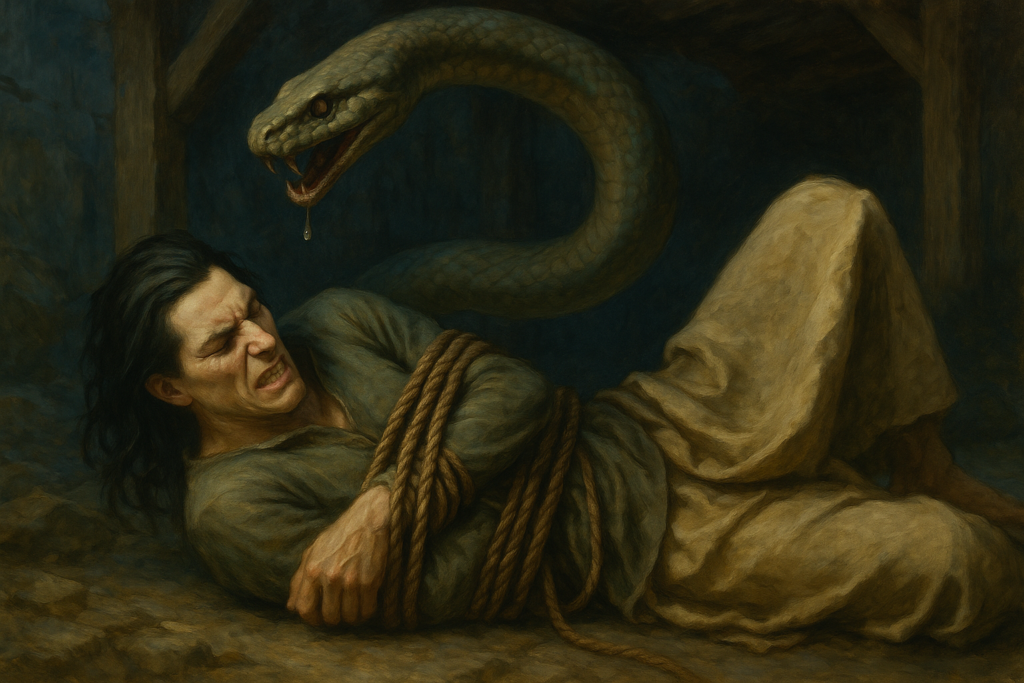
Moreover, the relationship between Loki, the shape-shifting trickster, and the goddess Freyja highlights a playful interchange of gender norms. Loki’s frequent transformations challenge the notion of fixed identities, intertwining qualities typically assigned to both genders. This fluidity encourages a more nuanced understanding of masculinity and femininity, emphasizing that both sets of traits can coexist within a single figure.
Mothers, Warriors, and Mythical Creatures
In Norse mythology, women’s roles extend beyond the domestic sphere. Valkyries, the warrior maidens who choose those who may die and those who may live in battles, exemplify the strength and honor that women could embody. They represent a blend of maternal roles—choosing warriors as if they were their sons—and powerful figures commanding respect in the aftermath of battle. Valkyries push the boundaries of gender roles, reframing the concept of female involvement in warfare, traditionally reserved for men.
Similarly, figures like the giantess Skadi, who defies her background to become a goddess associated with winter and hunting, illustrate that women could also assert dominance in traditionally male-associated realms. The story of Skadi’s choice of a husband—selecting her partner based on the beauty of his feet—reflects the evolving perceptions of choice in relationships and the active role women can play in their own destinies.
Mythical creatures, such as the seeress and the goddess Hel, further delve into the diverse aspects of femininity. The seeress embodies wisdom and foresight, often consulted in matters of fate and destiny, while Hel’s position in the underworld reflects themes of death and rebirth, challenging the fear traditionally tied to feminine figures.
Transformation and Agency
Transformation is a recurring motif in Norse mythology, especially concerning gender. Stories often involve shape-shifting individuals, reinforcing the notion that identities are not fixed. Loki’s transformations reveal the fluidity of gender and agency, showcasing that strength isn’t limited to physical prowess. The interplay of masculine and feminine traits in his character suggests that both are necessary for the complexities of existence.
The power of agency is notably significant in the tale of the goddess Freyja, who actively chooses to take on both roles of love and war, emphasizing her autonomy over her fate. This autonomy raises questions about the constraints of gender roles in a world dominated by male gods but also highlights the strength women can possess in embracing power within societal constructs.
Conclusions
As we delve deeper into the realm of Norse mythology, it becomes evident that gender roles and relationships are not strictly dichotomous but are instead part of a dynamic interplay that features both traditional and progressive elements. The narratives surrounding gods and goddesses reflect a society grappling with the complexities of power, identity, and relationships, hinting at a more nuanced understanding of gender roles than is often recognized.
Norse mythology invites us to reflect on how these ancient stories shape our contemporary views on masculinity and femininity, power and vulnerability. By examining the roles and relationships found within these myths, we can foster a greater appreciation for the multifaceted nature of gender identity, agency, and interdependence that resonates through time, offering valuable lessons for modern society.