Spirits of the Wild: Nymphs and Nature in Greek Myth

Spirits of the Wild: Nymphs and Nature in Greek Myth
In the rich tapestry of Greek mythology, the nymphs emerge as enchanting figures, personifying nature’s beauty and vitality. These divine spirits—intertwined with the landscapes they inhabit—offer a profound insight into humanity’s relationship with the natural world. Often depicted as youthful, alluring, and sometimes elusive, nymphs have captivated the imagination of poets, artists, and storytellers for centuries.
The Nature of Nymphs
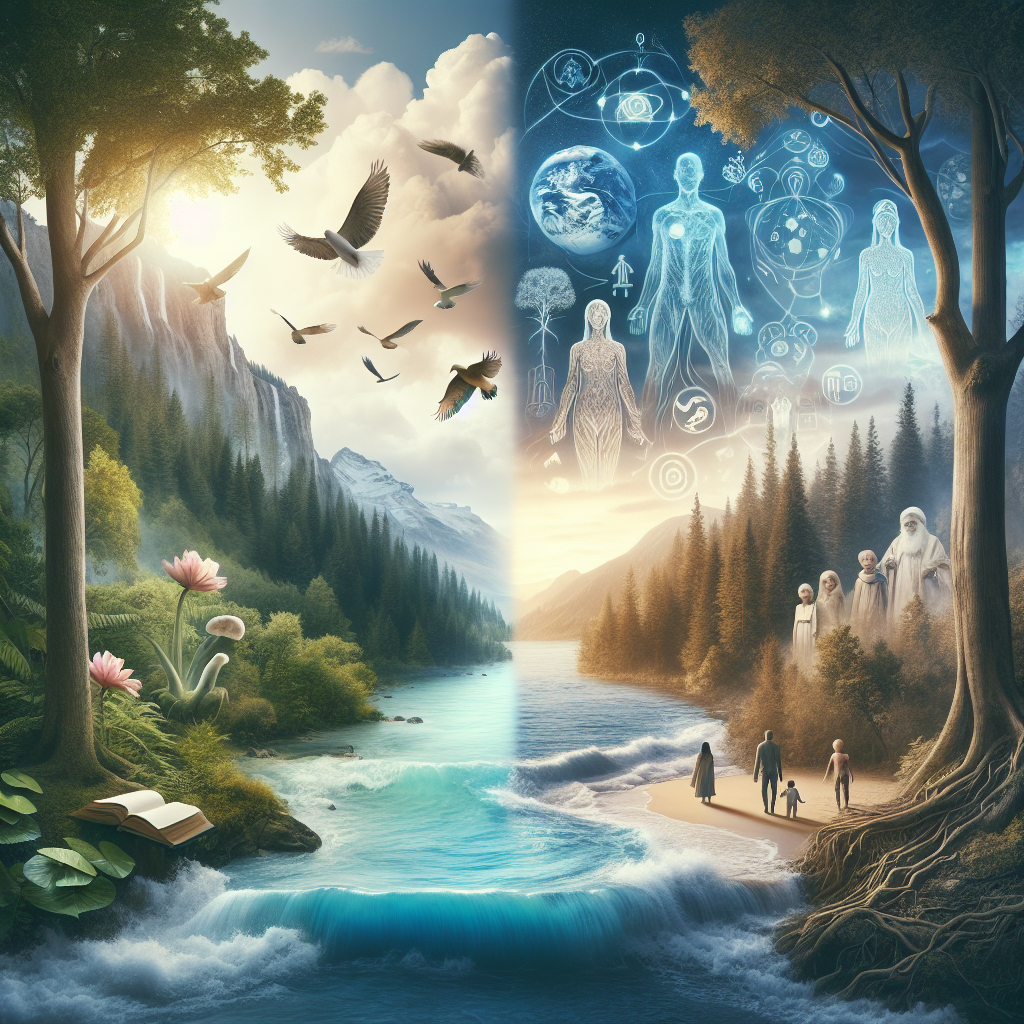
Nymphs can be categorized into several distinct groups based on their specific habitats. The most prominent among these are the Naiads, who preside over freshwater bodies like rivers, springs, and lakes; Dryads, who dwell within trees and forests; Oreads, who inhabit mountains, and Nereids, associated with the sea. Each group embodies the essence of its environment, reflecting the ancient Greeks’ reverence for nature’s bounty and beauty.
Nymphs are often portrayed as benevolent beings, representing fertility, growth, and sensuality. Their ethereal quality allows them to act as mediators between gods and humankind, safeguarding the sanctity of nature while simultaneously influencing human activities. However, they are not without their darker facets, as their moods can align with the whims of nature, oscillating between nurturing and vengeful.
Nymphs in Mythological Narratives
Many myths are woven around the exploits of nymphs, showcasing their influence and importance in the lives of gods and humans alike. One of the most famous stories involves Daphne, a Naiad who caught the eye of Apollo, the god of the sun and music. Apollo, enamored by her beauty, pursued her relentlessly. To escape his advances, Daphne prayed to her father, a river god, for help. In response, he transformed her into a laurel tree, an act that symbolized her purity and autonomy while affirming the tree’s later significance as a symbol of victory in Greek culture.
Similarly, the tale of Echo highlights the nymphs’ tragic dimensions. Echo, a mountain nymph, had a beautiful voice and often distracted Hera with her charming conversations. When Hera discovered Echo’s deception, she punished her by taking away her ability to speak freely, leaving her only able to repeat the last words spoken to her. This curse led to her unrequited love for Narcissus, who ultimately fell in love with his own reflection, illustrating the often poignant themes of love, loss, and unfulfilled desire that permeate these narratives.
Symbolism of Nymphs
Nymphs symbolize the intricate connections between humans and the natural world. They embody the beauty of nature and act as guardians of the ecosystems they inhabit, emphasizing the importance of environmental respect and preservation. In many ways, their stories serve as cautionary tales that remind humans of their duties to nature. The transformations of nymphs, such as Daphne’s metamorphosis into a laurel tree, represent the delicate balance of life and the sometimes-punishing power of nature.
Furthermore, nymphs are emblematic of fertility and the cycles of growth and decay inherent in nature. In agricultural contexts, they were believed to protect crops and ensure bountiful harvests. The Greeks often invoked nymphs in rituals, hoping to curry favor for good fortune in farming and husbandry.
Nymphs and the Divine
Nymphs also exemplify the interaction between the divine and the mundane. Although they are often seen as lesser deities, their close associations with the major gods establish their significance within the pantheon. For instance, they frequently find themselves entwined in the narratives of gods like Zeus, Dionysus, and Hermes. These associations not only affirm their status in the mythological hierarchy but also reflect the interconnectedness of divine and natural realms.
In many stories, nymphs are pursued by gods, leading to unions that produce demigods or heroic figures. The union of a god and a nymph is highly regarded, representing the divine blessing of fertility and prosperity. Such relationships illustrate the Greeks’ beliefs in divine intervention in human affairs and the intrinsic connection between divinity and nature.
Nymphs in Art and Literature
The fascination with nymphs has persisted throughout history, inspiring countless works of art, literature, and poetry. In ancient Greece, their imagery adorned pottery, statues, and friezes, capturing both their beauty and their ethereal qualities. Renaissance artists revisited these themes, celebrating the nymphs’ sensuality and connection to the natural world, often positioning them as symbols of life and rebirth.
In literature, poets such as Theocritus and later Ovid wove intricate tales that featured nymphs as central characters, exploring themes of love, loss, and the treachery of time. Their presence in pastoral poetry emphasized humanity’s longing for an uncorrupted, idyllic existence, where nature and spirit coexist harmoniously.
Legacy and Modern Interpretations
Today, the concept of nymphs continues to resonate. They are reimagined within contemporary literature and film, often embodying themes of environmentalism, young love, and the complexities of human emotions. Their stories serve as metaphors for the fragility of nature and the importance of preserving it in a modern world increasingly disconnected from its origins.
By understanding nymphs as guardians of nature, we can draw parallels to modern environmental movements striving to protect our landscapes and ecosystems. Nymphs remind us of the inherent beauty in nature and our responsibility to nurture and conserve it for future generations.
Conclusion
In summation, nymphs embody the essence of nature in Greek mythology, reflecting both its beauty and its mercurial power. They represent the delicate relationship between humanity and the natural world, serving as enduring symbols of fertility, growth, and love. Through their stories, we glean vital lessons about respect for nature, the consequences of desire, and the interconnectedness of life. As we continue to explore our relationship with the environment, the nymphs serve as constant reminders of the spirits of the wild that still inhabit our world, inviting us to listen to their whispers in the rustling leaves and flowing waters.
Recommended reading
These are affiliate links. If you buy through them, we may earn a commission at no extra cost to you.
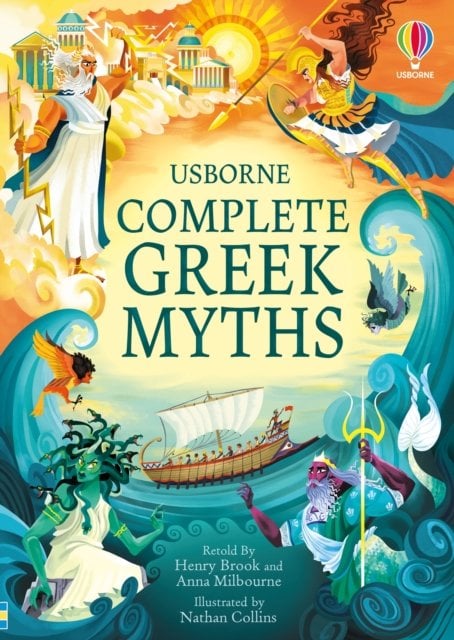
Complete Greek Myths: An Illustrated Book of Greek Myths
Featuring detailed retellings, beautiful character illustrations, and cultural background, this comprehensive volume brings the best-known and obscure Greek myths to life for readers of all ages. Complete with maps, a glossary, and a QR code for pronunciation guides and extra resources, it is an essential addition to any family bookshelf.
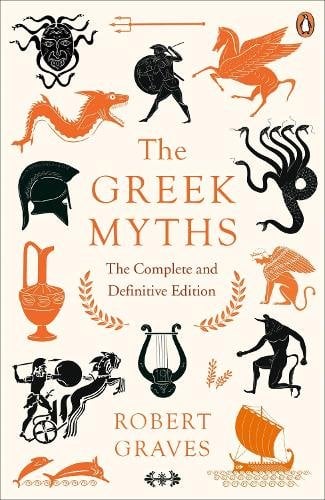
The Greek Myths: The Complete and Definitive Edition
Robert Graves’s definitive edition weaves the classic Greek myths, from the Labours of Hercules to the Trojan War, into one sweeping, authoritative narrative. Perfect for both first-time readers and classicists, this comprehensive volume combines engaging storytelling with detailed scholarly commentary and a complete index of names.
The Odyssey
Homer’s timeless epic The Odyssey follows the hero Odysseus on a perilous decade-long journey home from Troy, facing mythical monsters and divine wrath. Meanwhile, his wife Penelope and son Telemachus defend their kingdom against ruthless suitors in this classic tale of loyalty and endurance.