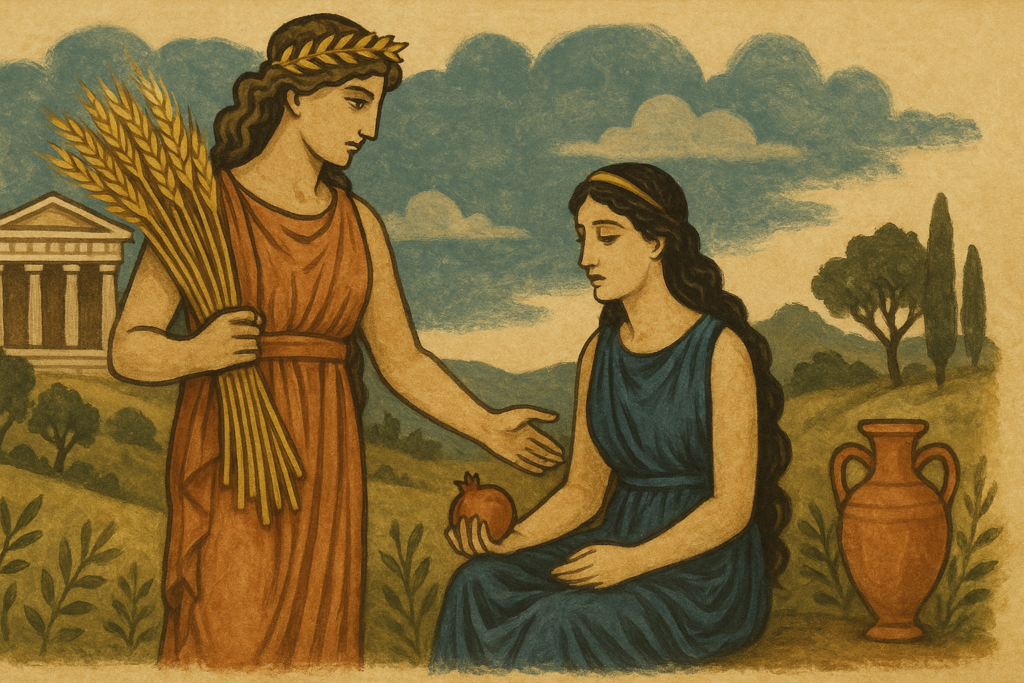
Aphrodite: Love, Beauty, and the Power of Desire

Aphrodite, the Greek goddess of love and beauty, stands as one of the most compelling figures in mythology, her essence woven into the fabric of cultural narratives throughout history. Revered in ancient Greece and beyond, her influence has permeated art, literature, and even modern discussions about love and attraction. This article delves into the multifaceted nature of Aphrodite, exploring her symbols, mythological narratives, and her lasting impact on contemporary society.
Origins and Symbols
Aphrodite’s origins are as diverse as her many attributes. According to the most prevalent myth, she emerged from the sea foam, born from the severed genitals of the god Uranus, which were cast into the ocean by his son Cronus. This tumultuous birth signifies not only her beauty but also the chaotic forces of desire that she embodies. Other myths portray her as the daughter of Zeus and Dione, inserting her into the pantheon of mighty gods and goddesses.
Aphrodite is often depicted with a variety of symbols that further elucidate her character. The rose, symbolizing love, is perhaps the most significant; its beauty, fragility, and thorns resonate with the multifaceted nature of romantic relationships. The dove, a creature often associated with peace and gentleness, also represents her influence in matters of the heart. Moreover, the mirror signifies self-reflection and beauty, serving as a reminder of the deeper truths that lie beneath the surface of physical attraction.
The Duality of Love
Aphrodite’s domain extends beyond mere romantic love; she also presides over platonic bonds, sexual desire, and even the chaotic aspects of love. This duality is crucial in understanding her character. While she embodies the joy of love, she also represents the tumult and complexity that accompany human relationships.
One of the most poignant illustrations of this duality is found in her relationship with Ares, the god of war. Their passionate affair symbolizes the intersection of beauty and chaos, desire and destruction. This coupling embodies the notion that love can be both a source of ecstasy and pain, a nuanced aspect that resonates deeply with human experiences.
Aphrodite’s influence on love is further highlighted by her role in the myth of the Trojan War. The famed “Judgment of Paris” episode recounts how she, alongside Hera and Athena, competed for the title of the fairest. Paris ultimately chose Aphrodite, enticed by her promise of the most beautiful mortal woman, Helen of Sparta. This decision set off a chain of events that led to war, illuminating how love and desire can lead to conflict and tragedy. The tale serves as a powerful reminder of the consequences that can arise from choices rooted in attraction.
Aphrodite’s Relationships
Aside from her tumultuous romance with Ares, Aphrodite engaged in numerous relationships with both mortals and gods. Her unions with figures like Adonis and Anchises reveal her ability to captivate those around her, but they also illustrate the bittersweet nature of desire. Adonis, a mortal of extraordinary beauty, died tragically, symbolizing the fleetingness of life and love. Meanwhile, her relationship with Anchises, while initially romantic, also brings its challenges, as he faces dire consequences for their union.
These relationships highlight how Aphrodite not only embodies beauty and desire but also the vulnerability inherent in love. Mortality plays a pivotal role in her narratives, reminding us that the most profound experiences often come with the knowledge that they are transient.
Cultural Interpretations
Aphrodite’s legacy is not limited to ancient narratives; her influence has transcended time, taking on various forms in different cultures. In Roman mythology, she is known as Venus, whose lore incorporates aspects of love, beauty, and even fertility. Artists, poets, and thinkers throughout history have drawn inspiration from her, creating works that evoke the complexities of love and desire.
In Renaissance art, for instance, Aphrodite’s imagery flourished, with masterpieces like Botticelli’s “The Birth of Venus” capturing her ethereal beauty and enchanting presence. Such works depict not only physical allure but also the philosophical ideals of beauty and love that dominated the era. The goddess became a symbol of ideal beauty, embodying the Renaissance’s revival of classical ideals.
In contemporary discussions, aphorisms about love often reflect Aphrodite’s essence. The complexities of modern relationships, the impact of social media on perceptions of beauty, and the pursuit of romantic partners in a digital age all echo themes central to Aphrodite’s narratives. Her influence extends into self-love and acceptance, advocating that beauty is not merely physical but also exists within the heart.
The Lessons of Aphrodite
At the core of Aphrodite’s mythology are profound lessons about love, beauty, and desire. She teaches us that love is not a one-dimensional emotion; it encompasses joy, heartache, passion, and conflicts. The goddess stands as a reminder that the pursuit of beauty is intertwined with vulnerability, and that relationships—though sometimes fraught with difficulties—are essential to the human experience.
Aphrodite’s legacy encourages self-reflection and acceptance. In a world that often emphasizes external beauty, her stories remind us to appreciate inner qualities, empathy, and connection. By acknowledging the complexities of love, we can cultivate deeper relationships that go beyond surface attraction.
Conclusion
Aphrodite, with her intricate tapestry of love, beauty, and desire, remains an enduring figure in the annals of mythology. Her stories speak to the hearts of individuals across cultures and generations, illuminating the multifaceted experiences of love that shape our lives. By embracing the lessons she offers, we can navigate the labyrinthine paths of relationships, finding beauty in both their complexities and their joys. Through Aphrodite, we learn that love is not merely a pursuit but a profound journey laden with rich experiences that resonate deeply within the human soul.
Recommended reading
These are affiliate links. If you buy through them, we may earn a commission at no extra cost to you.
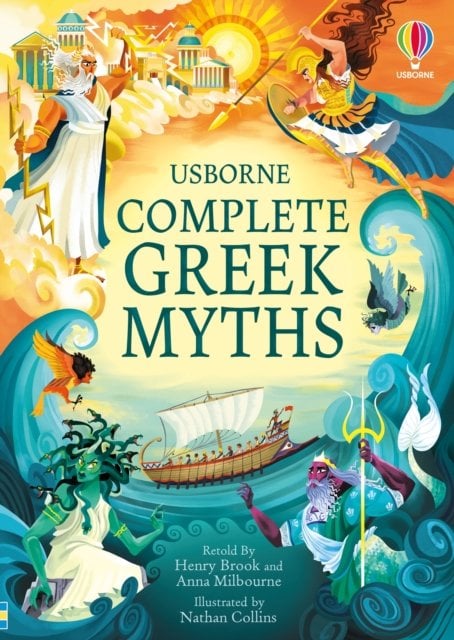
Complete Greek Myths: An Illustrated Book of Greek Myths
Featuring detailed retellings, beautiful character illustrations, and cultural background, this comprehensive volume brings the best-known and obscure Greek myths to life for readers of all ages. Complete with maps, a glossary, and a QR code for pronunciation guides and extra resources, it is an essential addition to any family bookshelf.

The Greek Myths: The Complete and Definitive Edition
Robert Graves’s definitive edition weaves the classic Greek myths, from the Labours of Hercules to the Trojan War, into one sweeping, authoritative narrative. Perfect for both first-time readers and classicists, this comprehensive volume combines engaging storytelling with detailed scholarly commentary and a complete index of names.

The Odyssey
Homer’s timeless epic The Odyssey follows the hero Odysseus on a perilous decade-long journey home from Troy, facing mythical monsters and divine wrath. Meanwhile, his wife Penelope and son Telemachus defend their kingdom against ruthless suitors in this classic tale of loyalty and endurance.