
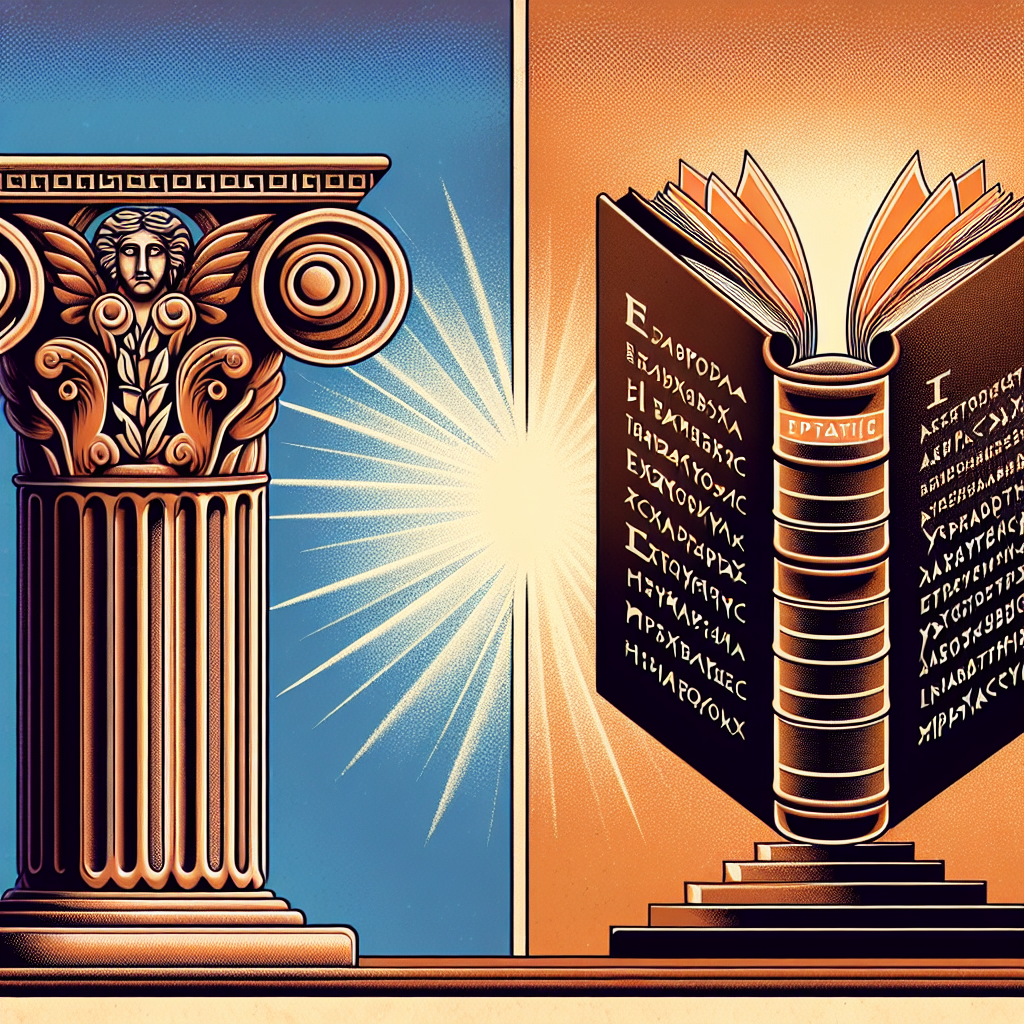
Greek mythology, an intricate tapestry of gods, heroes, and epic narratives, has transcended its ancient origins to weave itself into the fabric of modern literature. Its influence resonates through various genres, inspiring countless authors, poets, and playwrights. From the soaring heights of heroism to the depths of tragedy, Greek myths continue to shape narratives, themes, and character archetypes in contemporary storytelling.
The Timeless Themes of Greek Mythology
At the heart of Greek mythology are themes that are universally relevant: love, fate, revenge, hubris, and the struggle against the gods. These elements pervade literature across epochs. For instance, the tragic flaw of hubris—excessive pride leading to one’s downfall—remains a dominant theme in modern storytelling. Characters such as Shakespeare’s Macbeth or Arthur Miller’s Willy Loman wrestle with their ambitions, reflecting the enduring legacy of Greek tragic heroes like Oedipus and Achilles.
The profound exploration of human emotions in Greek myths also finds echoes in modern literature. Myths like that of Orpheus and Eurydice illuminate the depths of love and loss, influencing authors like Sarah Ruhl and her play “Eurydice,” which reimagines the ancient story from the perspective of the female protagonist. Through melodrama and poetic language, Ruhl not only honors the original myth but also amplifies its emotional resonance, demonstrating how timeless themes can be revitalized in contemporary contexts.
Archetypal Characters and Modern Protagonists
Greek mythology has also contributed significantly to character archetypes that readers recognize today. The archetype of the “tragic hero,” grounded in flaws that lead to their demise, appears in various guises. For instance, in Jennifer Saint’s novel “Ariadne,” the titular character transcends her role in the myth of Theseus and the Minotaur to explore themes of agency and identity, highlighting how Greek archetypes can be reinterpreted to fit modern narratives.
Similarly, the cunning figure of Odysseus has inspired countless literary characters who embody the duality of intellect and moral complexity. In contemporary literature, characters like Jay Gatsby from “The Great Gatsby” or Holden Caulfield from “The Catcher in the Rye” reflect elements of Odyssean complexity—intellectual brilliance paired with significant moral ambiguity. This continuity underscores the adaptability of Greek archetypes in exploring modern existential dilemmas.
Intertextuality and Adaptation
Another significant aspect of the influence of Greek mythology on modern literature is the concept of intertextuality. Postmodern authors frequently draw from classical texts, creating a dialogue between the original and the contemporary. Many contemporary novels incorporate mythological references, reinterpreting ancient tales in ways that resonate with today’s audiences.
Margaret Atwood’s “The Penelopiad” is a fascinating retelling of the story of Odysseus’s wife, Penelope. Atwood’s narrative gives voice to a character traditionally marginalized in the original myth. This reimagining not only humanizes Penelope but also allows readers to reassess the themes of loyalty and gender roles that permeate the original tale. Atwood’s work exemplifies how Greek mythology serves as a springboard for critique and reinterpretation in modern literature.
Similarly, Madeline Miller’s “Circe,” a retelling of the story of the enchantress from “The Odyssey,” reclaims her narrative, presenting her not as a mere obstacle to Odysseus but as a complex character navigating issues of power, autonomy, and identity. Both Atwood and Miller illustrate how authors can utilize Greek myths not just for inspiration, but as a framework for contemporary commentary.
The Philosophical Underpinnings
Greek mythology burrows deep into philosophical inquiries that resonate in modern literature. Themes of fate versus free will, the nature of existence, and the moral dilemmas faced by protagonists are constantly explored. The interplay of divine influence and human action in Greek myths prompts contemporary writers to grapple with similar philosophical questions.
For instance, in Kazuo Ishiguro’s “Never Let Me Go,” themes of predestination and existential reflection echo the fatalism present in many Greek myths, such as that of the Moirai (the Fates). This philosophical depth lends modern narratives a weighty complexity, allowing readers to engage in timeless human questions through the lens of mythological structures.
Influence Across Genres
The influence of Greek mythology extends beyond traditional literary forms. In the realm of fantasy, authors like Rick Riordan have revitalized interest in ancient myths by incorporating them into modern settings, captivating younger audiences. Riordan’s “Percy Jackson & The Olympians” series interlaces Greek mythology with contemporary adventures, introducing the complexities of these ancient stories to a new generation. By blending myth with modern storytelling, he not only entertains but also educates, showcasing the enduring relevance of these myths.
In poetry, the influence is equally profound. Poets like Anne Carson draw heavily on Greek mythology to explore themes of loss, desire, and the passage of time. Carson’s “Nox,” an elegy for her brother, employs mythological references to deepen the emotional impact of her exploration of grief, demonstrating the powerful synergy between personal experience and myth.
Conclusion
Greek mythology remains a bedrock of literary inspiration, permeating the consciousness of modern authors across genres and styles. The timeless themes, rich character archetypes, and philosophical inquiries embedded in these ancient narratives resonate as powerfully today as they did millennia ago. As writers continue to engage with these myths, they not only honor their origins but also breathe new life into them, ensuring that Greek mythology remains a vibrant and influential force in the world of literature. The resilience of these stories in contemporary contexts attests to their universal appeal and the ever-evolving dialogue between past and present, underscoring the shared human experience through the lens of myth.


