The Underworld: Duat and Its Mythical Monsters

The Underworld: Duat and Its Mythical Monsters
In the rich tapestry of ancient Egyptian mythology, the underworld, known as Duat, plays a pivotal role in the worldview of the Egyptians. This realm is not merely a shadowy void or a place of punishment, but rather a complex and vibrant landscape filled with challenges, rewards, and a myriad of mythical creatures. Duat was integral to the beliefs surrounding death, the afterlife, and the journey of the soul after one’s earthly existence.
Understanding Duat
Duat is often depicted as a vast and intricate realm that lies beneath the earth, adorned with various landscapes that reflect the trials and tribulations one might face in the afterlife. The mythology surrounding Duat is rich, embodying the beliefs, values, and fears of ancient Egyptians. The journey through Duat was often represented as a night-time voyage, where the sun god Ra would travel through the underworld each night, ensuring the cycle of day and night.
The landscapes of Duat were described in extensive detail in various funerary texts, such as the “Book of the Dead,” which served as a guide for the deceased. This text illustrated the path that souls would take, filled with significant landmarks and obstacles that they must navigate, testing their virtue and worthiness.
Creatures of Duat
As one traverses the labyrinthine paths of Duat, one encounters a plethora of mythical monsters and deities, each with specific roles and symbolism. Here are some of the key mythical entities associated with this enigmatic underworld.
- Apep (Apophis)
One of the most infamous beings that inhabit Duat is Apep, often depicted as a gigantic serpent. Apep represents chaos and destruction, opposing the order embodied by Ra and the other gods. Each night, Apep would attempt to devour the sun, threatening the cosmic balance. The frequent battles between Ra and Apep symbolize the eternal struggle between order (Ma’at) and chaos (Isfet). The Egyptians engaged in rituals to ward off Apep, ensuring Ra could continue his journey safely through Duat.
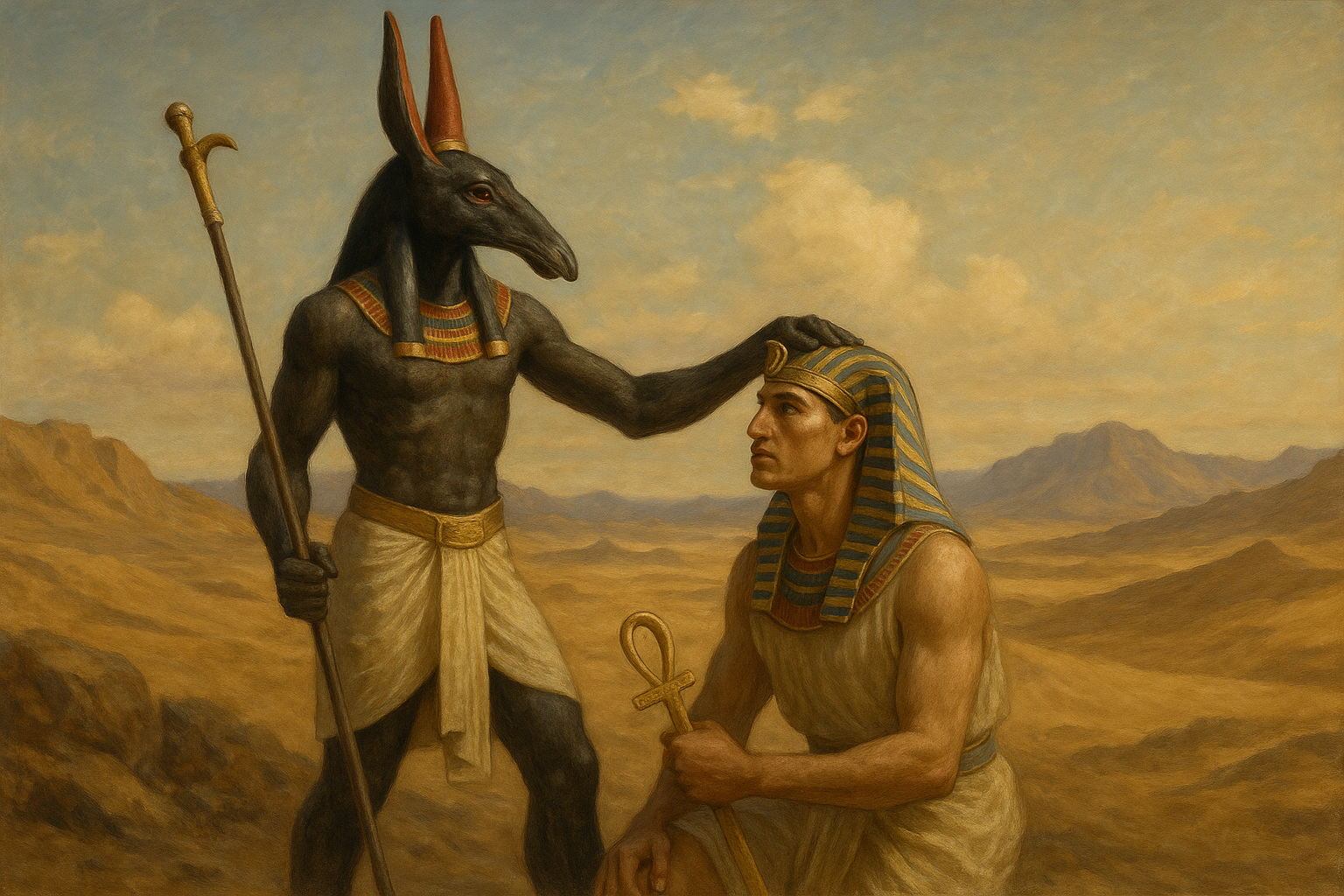
- Anubis
As the god of embalming and the protector of graves, Anubis occupies a crucial role within the Underworld. He is often depicted as a jackal-headed figure, symbolizing his association with death and the afterlife. Anubis was responsible for guiding souls through Duat, ensuring they made it safely to their judgment. This judgment was presided over by Osiris, the god of the afterlife. Anubis’s role as the mediator was essential because he helped prepare the deceased by overseeing the embalming process and guiding them to the Hall of Two Truths, where their hearts were weighed against the feather of Ma’at.
- Ammit
Ammit, the “Devourer” or “Eater of Hearts,” is a creature that reflects the ultimate penalty in the afterlife. She is often portrayed as a composite beast with the head of a lion, the body of a hippopotamus, and the hind legs of a crocodile. During the judgment process, if a soul’s heart was found heavier than the feather of Ma’at, Ammit would consume it, resulting in the permanent obliteration of the soul. Her terrifying presence served as a reminder of moral rectitude, reinforcing the importance of living a virtuous life.
- The Four Sons of Horus
These lesser-known but vital beings served as guardians in the underworld. Each son was associated with a specific aspect of protection and preservation of the deceased:
- Imsety (human-headed) protected the liver.
- Hapi (baboon-headed) safeguarded the lungs.
- Duamutef (jackal-headed) watched over the stomach.
- Qebehsenuef (falcon-headed) guarded the intestines.
These deities provided sacred protection in Duat, ensuring the preservation and safety of the deceased’s body in the afterlife.
- Thoth
Thoth, the ibis-headed god, is often associated with wisdom and writing. In the context of Duat, he serves as the divine scribe responsible for recording the results of the judgment. Thoth embodies the principles of knowledge and truth, playing a vital role in ensuring the integrity of the judgment process. His presence highlights the importance of wisdom in navigating the path of the afterlife.
Navigating Duat: The Journey of the Soul
The journey through Duat is fraught with trials and hidden dangers. It requires courage, wisdom, and virtue. Upon death, the soul’s journey would begin with the crucial weighing of the heart, determining its fate in the afterlife. The deceased would face numerous obstacles, encountering mystical waters, fiery blasts, and, of course, the menacing monsters of Duat.
Navigating through Duat required the ability to recite powerful spells and incantations, often inscribed on tombs and coffins as protective phrases. These spells, drawn from the Book of the Dead, were believed to provide guidance and assist the soul in overcoming the challenges in their path.
Significance of Duat in Ancient Egyptian Culture
Duat was more than just a realm of the dead; it was a reflection of the Egyptian understanding of life and death. The intricate beliefs surrounding Duat underscored the Egyptians’ views on morality, justice, and the afterlife. The conception of judgment, represented by Anubis and Osiris, demonstrated a society deeply invested in ethical living and the repercussions of one’s actions.
Moreover, Duat influenced many aspects of daily life, including burial practices, tomb constructions, and rituals associated with death. The reverence for the dead and the belief in an afterlife drove Egyptians to construct elaborate tombs filled with goods to accompany the deceased, ensuring they had everything needed for the journey ahead.
Conclusion
The underworld of Duat and its mythical monsters embodies the ancient Egyptians’ rich understanding of life, death, and cosmic order. Each creature represents facets of the human experience, encapsulating the fears, hopes, and aspirations of a civilization that sought to comprehend the mysteries of existence. Through the study of Duat, we gain insight into the values and beliefs that shaped ancient Egyptian society, leaving a lasting legacy that continues to captivate and inspire today.