The Connection Between Roman Mythology and Historical Events
The Connection Between Roman Mythology and Historical Events
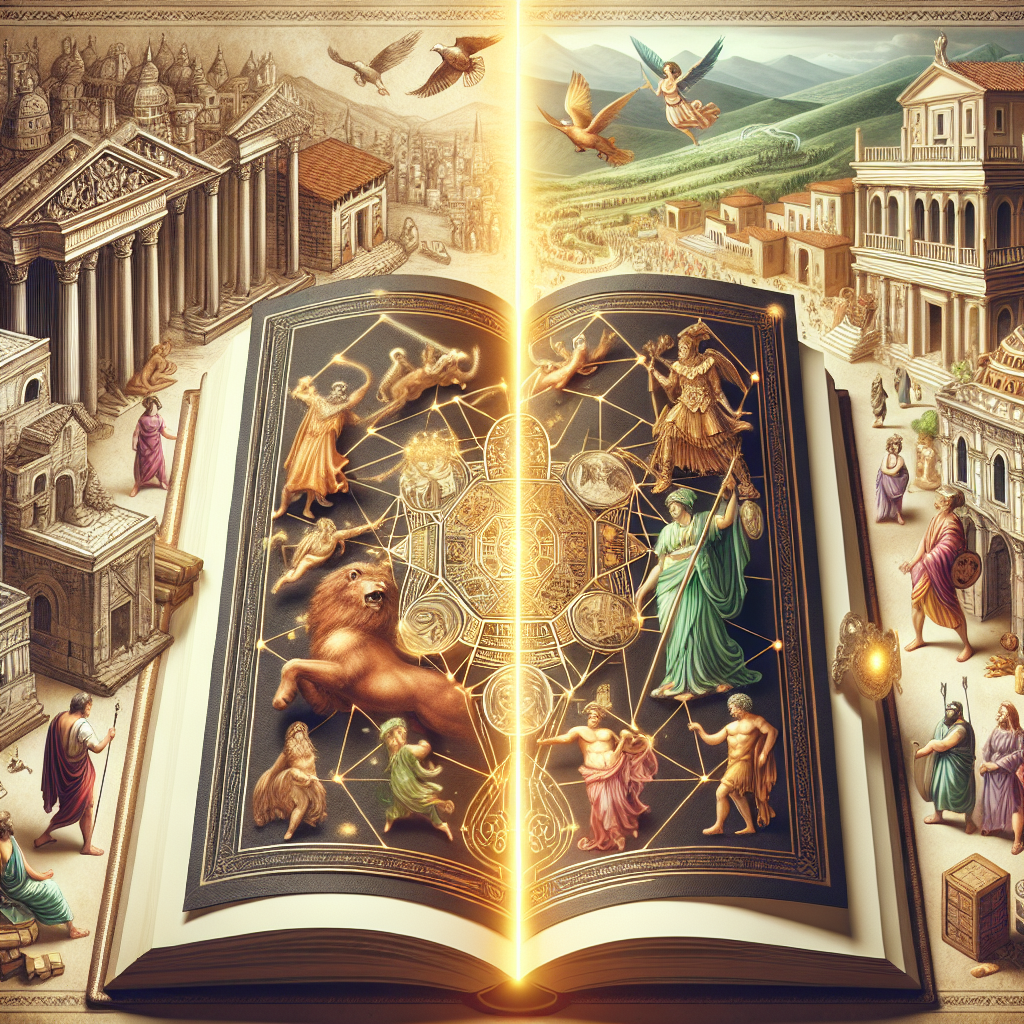
Roman mythology, a rich tapestry of tales and deities, is more than just a collection of fables; it reflects the values, beliefs, and historical contexts of ancient Rome. The intertwining of myth and history in Roman culture provides a fascinating lens for understanding how the Romans viewed themselves and their place in the world. This article explores the connection between Roman mythology and historical events, revealing how mythology shaped politics, societal norms, and collective identity in ancient Rome.
The Genesis of Roman Mythology
Roman mythology evolved from various sources, including the indigenous beliefs of the Italic peoples, Etruscan traditions, and Greek mythology. Key figures like Jupiter (Zeus in Greek), Mars (Ares), and Venus (Aphrodite) populated the Roman pantheon, blending characteristics that resonated with Roman virtues and ideals. However, the significance of these deities transcended mythological tales; they served as embodiment of principles that shaped Roman governance and social dynamics.
Historical Context and Mythology
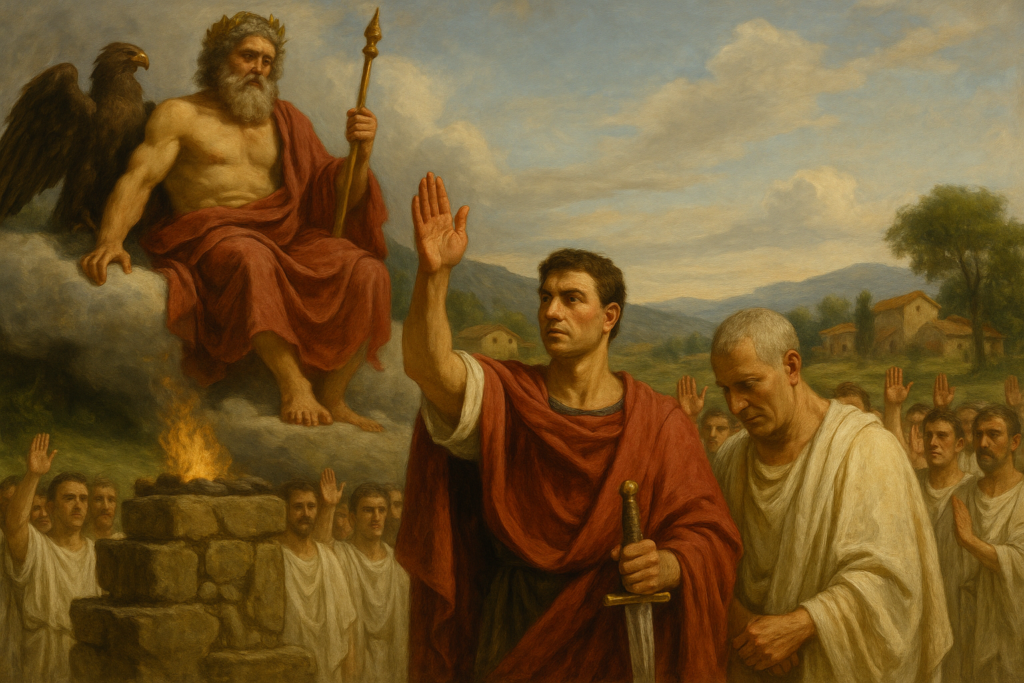
As Rome expanded from a small city-state to a vast empire, the connection between mythology and historical events grew more pronounced. One significant historical figure who leveraged mythology was Julius Caesar. He traced his lineage back to the goddess Venus, reinforcing his authority and divine right to rule. This ancestry was not only a personal claim but a powerful political tool, suggesting that his leadership was preordained and validated by the gods.
Caesar’s connection to Venus is an excellent example of how individuals employed mythology in their narratives. Rome’s leaders often invoked divine favor to legitimize their endeavors, especially during times of war or political strife. The Battle of Pharsalus in 48 BCE, where Caesar defeated Pompey, was marked by stories of divine intervention, further solidifying Caesar’s image as favored by the gods. Such mythological narratives served to inspire the populace and instill a sense of unity and purpose, crucial for the growth of the fledgling empire.
The Role of Myths in Statecraft
Roman authorities realized the power of mythology in statecraft. They crafted myths that glorified Rome’s origins and its destined supremacy. The tale of Romulus and Remus, the legendary founders of Rome, is illustrative. According to myth, the twins were raised by a she-wolf and ultimately fought for control of the city. Romulus’s victory established him as the first king of Rome, symbolizing the victory of civilization over chaos. This myth reinforced the idea of Rome as a divinely sanctioned city, destined for greatness.
The advent of the Roman Republic brought new challenges, as governance evolved into a more collective form of leadership. However, the frequent invocation of myth remained prevalent. The annual Lemuria festival, dedicated to appeasing and honoring the restless spirits of the dead, reflects the Roman belief that the past is intertwined with the present. By engaging with these myths through rituals, the state fostered a connection between the citizens and their ancestors, thus assisting in the reinforcement of societal norms.
Using Mythology in War Propaganda
As Rome faced numerous military challenges, myths played an integral role in wartime propaganda. The idea that the gods favored the Roman cause was popularized to galvanize public support and morale. During the Punic Wars, for instance, military leaders often requested the favor of gods like Mars, the god of war, through rituals and sacrifices. Roman generals would publicly attribute their victories to divine intervention, reinforcing the belief that Rome was invincible as long as it honored its gods.
The myths surrounding figures like Aeneas, the Trojan hero who supposedly sailed to Italy and became the progenitor of the Romans, further reinforced a sense of destiny. The narrative in Virgil’s “Aeneid” not only legitimized Roman expansion but also fostered a sense of shared identity among the Roman people. This literary work positioned Rome as the culmination of ancient traditions, expressing a divine mission to bring civilization and order to the world.
Cultural Integration through Mythology
As Rome expanded, it encountered various cultures and religions, leading to a syncretism that blended Roman beliefs with local myths. The adoption of deities like Isis from Egyptian mythology illustrates this amalgamation. The integration of other cultural myths allowed Rome to present itself as not just dominant but also inclusive, fostering loyalty among diverse populations.
While this flexibility manifestly aided in the consolidation of power, it often led to tension. For instance, the rise of Mithraism—a mystery religion centered around the god Mithras—gained traction among Roman soldiers and citizens, creating an undercurrent of competition with traditional Roman religious practices. It prompted the state to occasionally reaffirm its mythological narratives, ensuring that traditional deities maintained their revered status.
Conclusion: The Legacy of Mythology in Historical Perception
The connection between Roman mythology and historical events is emblematic of how ancient societies understood their identity, values, and destiny. Myths in Roman culture were not mere stories; they were powerful instruments used to navigate the complexities of governance, warfare, and cultural integration. Through the invocation of divine favor and the glorification of legendary figures, Romans crafted a narrative of themselves as a people destined for greatness and unity.
Today, the echoes of these myths can still be heard. The great epics of Roman literature lie at the foundation of Western civilization, influencing art, literature, and even political discourse. By examining the intertwining of myth and history, we gain invaluable insights into the psyche of ancient Rome—a civilization that, at its core, was as much about myth-making as it was about political and military conquest. This legacy continues to inform our understanding of power, identity, and belief in the modern world, demonstrating that the stories we tell serve not only to entertain but to bind us to our past and shape our future.