The Transformation of Myths Through Roman Literature
The Transformation of Myths Through Roman Literature
Myths have long served as the foundational narratives of cultures, encapsulating values, beliefs, and the understanding of the cosmos in a storytelling form. The transformation of these myths is particularly prominent in Roman literature, where the Romans inherited, reshaped, and reinterpreted the myths of earlier civilizations, particularly those of the Greeks and the Etruscans. Through literature, religion, and public life, Roman writers and thinkers injected new life into these ancient stories, reflecting both their own cultural identity and the complexities of a world that was rapidly changing.
The Roman Adaptation of Greek Myths
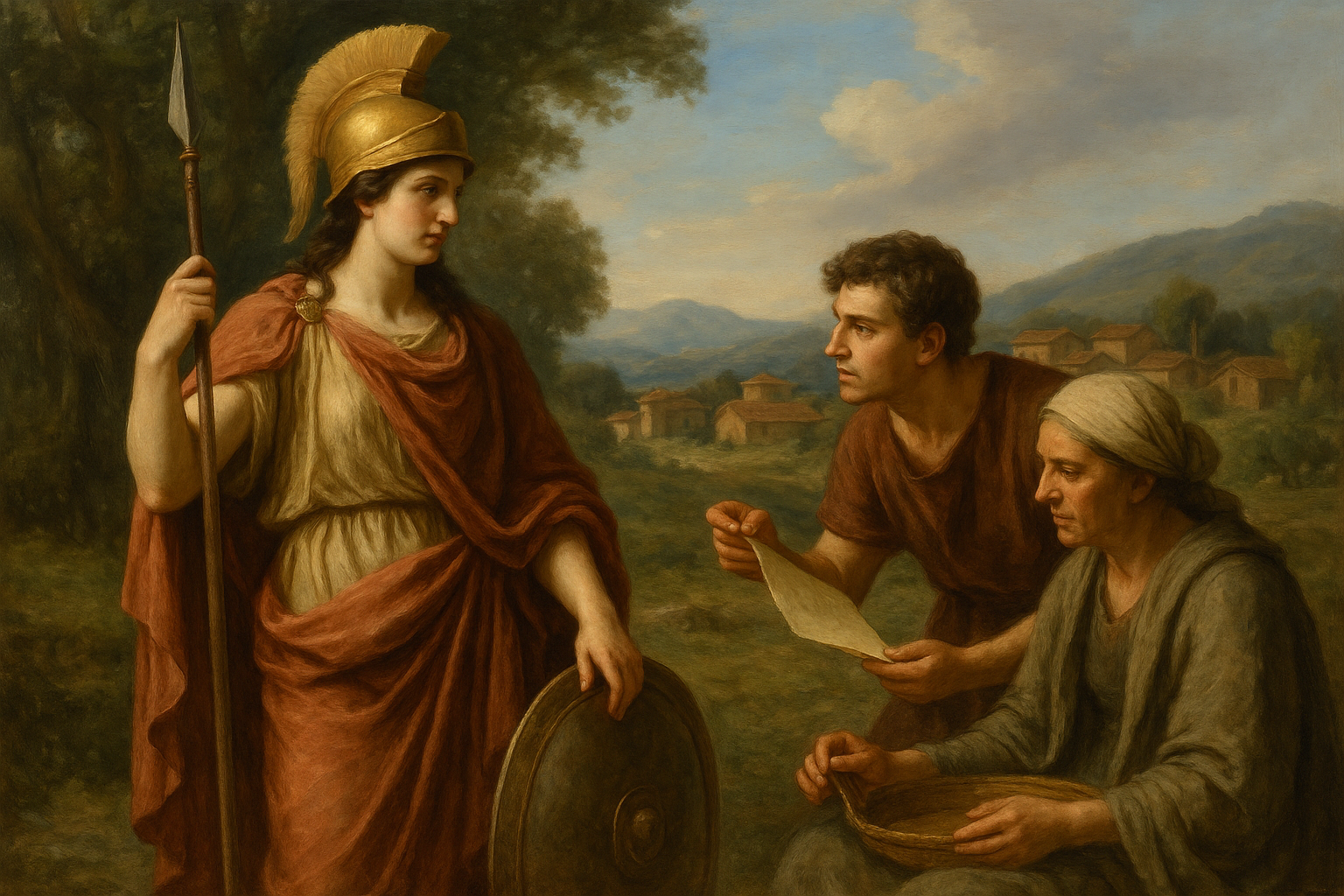
When the Romans encountered Greek mythology, they were not merely passive recipients; they were active adapters. The Greeks had established a rich tapestry of myths surrounding gods, heroes, and the cosmos, and the Romans recognized the cultural value of these stories. However, Roman literature began to reflect a distinctly Roman ethos, emphasizing moral lessons and civic virtues that resonated with their ideals of duty, honor, and piety.
For instance, the Roman poet Virgil reinterpreted the Greek hero myth in his epic poem, the Aeneid. The story of Aeneas, a Trojan hero who journeys to Italy to become the ancestor of the Romans, is layered with themes of destiny, sacrifice, and the divine will. In contrast to the often self-indulgent nature of Greek heroes, Aeneas embodies the Roman ideal of pietas—a devoted sense of duty to the gods, family, and state. In this way, Virgil transformed the myth not only to glorify Rome’s origins but also to instill a sense of collective identity in his readers.
Myth as Political Commentary
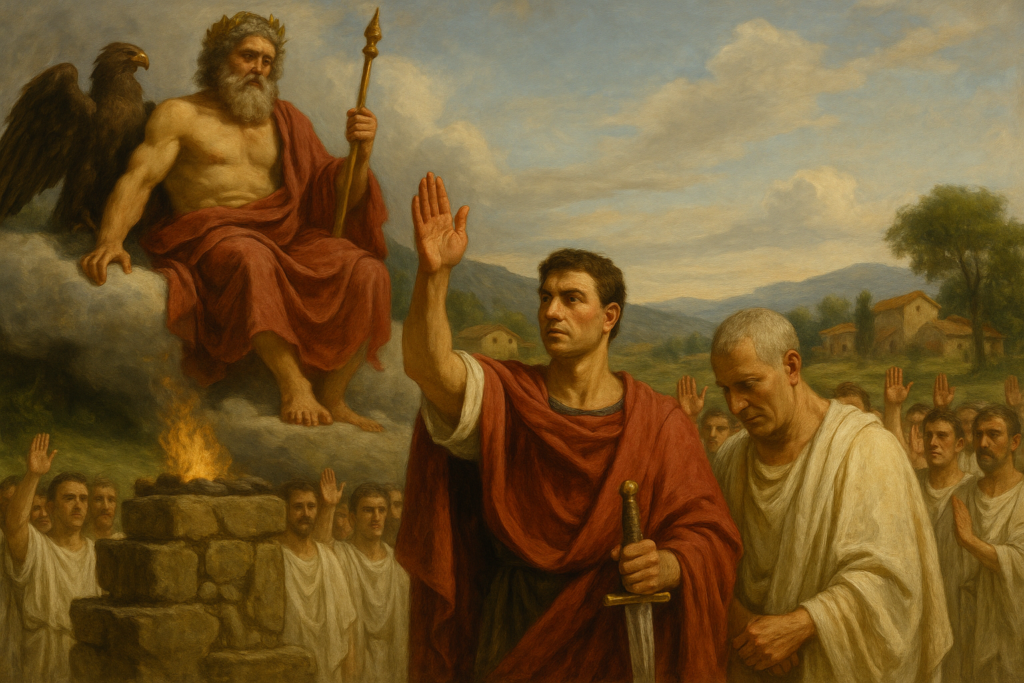
Roman literature utilized myth as a means of political commentary and propaganda. The myths were often tailored to serve the ambitions of Rome itself, promoting the narrative of Roman superiority and divine favor. The fables of gods and goddesses were frequently interwoven with the political landscape, and figures of myth were invoked to symbolize strength and virtue.
One notable example can be found in Ovid’s Metamorphoses, a collection of myths that reflect on change and transformation. While Ovid draws from a wide range of sources, his treatment of myth often illustrates the fragility of existence and the capriciousness of the gods. This can be seen as a commentary on the political upheaval of his time, particularly the transition from the Republic to the Empire. By exploring themes of change and transformation, Ovid not only reflects the turmoil of the age but also invites readers to consider the repercussions of power and desire.
The Influence of Roman Values on Mythic Narratives
As Roman values found their way into the narrative structure of myths, traditional heroic ideals were often juxtaposed with Roman concepts of morality and social responsibility. The concept of virtus, or virtue, became increasingly central to the portrayal of mythological figures.
For example, the tales of Hercules were transformed significantly in Roman retellings. While the Greek myths presented Hercules as an embodiment of physical strength and heroism, Roman interpretations added layers of moral and ethical dimensions. Hercules’ twelve labors were not viewed merely as acts of athletic prowess; they served as pathways to demonstrate virtus and accountability. This adaptation reflects the Roman belief in the importance of individual conduct within the framework of society.
Women in Roman Mythology
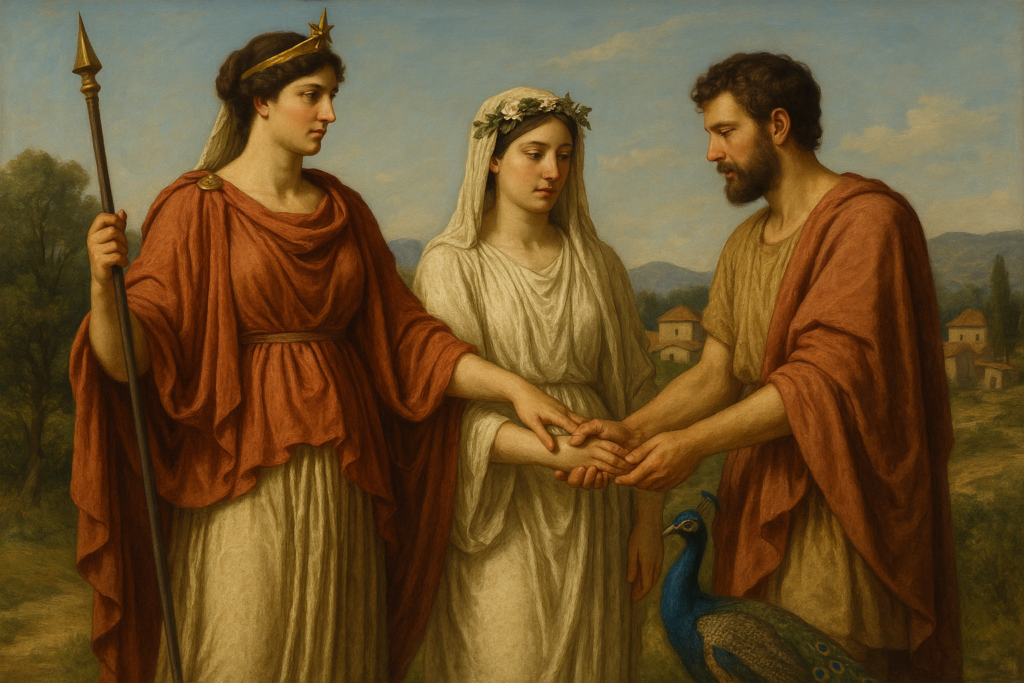
The transformation of myths also involved the portrayal of female figures. In many Greek myths, women were often relegated to passive roles or depicted negatively, such as in the case of Pandora or Medusa. However, Roman literature sometimes afforded these characters a more nuanced representation.
For example, in Ovid’s Metamorphoses, figures such as Medea and Dido are depicted with depth and complexity. Medea, though often seen merely as a figure of revenge in Greek narratives, is portrayed by Ovid as a tragic figure torn between love and betrayal. Similarly, Dido, the queen of Carthage in the Aeneid, is given a full emotional arc, with her tragic love for Aeneas serving as a powerful commentary on loyalty, abandonment, and the costs of political obligations. These portrayals reflect the changing perceptions of women in Roman society and highlight their capacity for agency and emotional depth.
Myths and the Construction of National Identity
In the context of the Roman Empire, myths were also instrumental in constructing a national identity. They functioned as a cohesive force, intertwining the imperial narrative with a sense of destiny and divine approval. The myth of Romulus and Remus, the legendary founders of Rome, was central to this cultural identity. Their story, encapsulated in various literary forms, articulated the ideal of the Roman state being divinely ordained and justified through mythic history.
The transformation of the Romulus and Remus narrative over time illustrates how myths are adaptable and used to meet contemporary needs. As Rome expanded, the tales of the city’s founding were imbued with notions of cultural superiority and the “civilizing” mission of the Romans. Through literature, these stories transitioned from local lore to powerful narratives shaping an empire’s identity, allowing myths to serve as instruments of cultural cohesion and imperial ideology.
Conclusion
The transformation of myths through Roman literature reflects the dynamic interplay between inherited narratives and evolving cultural identities. As the Romans absorbed and reinterpreted myths, they did not just preserve these ancient tales; they actively reshaped them to reflect their values, ideals, and political realities. Through the works of poets like Virgil and Ovid, myths became focal points for moral instruction, political discourse, and the construction of a shared identity.
In an increasingly complex and expansive world, Roman literature stood as a testament to the power of myth not just to entertain, but to inform and transform society. As these stories evolved, they deepened their significance, leaving an enduring legacy that still resonates in contemporary discourse on culture, identity, and the human experience. Myths, when woven into the fabric of literature, become living entities—constantly changing yet forever illuminating the human condition.