The Historical Context of Roman Mythological Texts

The Roman Empire, one of history’s most influential civilizations, produced a rich tapestry of mythological texts that played a pivotal role in shaping the cultural, religious, and social fabric of Roman life. Understanding the historical context of these texts involves exploring the intertwining of mythology with the political, social, and religious contours of Rome from its legendary founding in 753 BCE to the fall of the Empire in the West in the 5th century CE.
Pre-Roman Influences
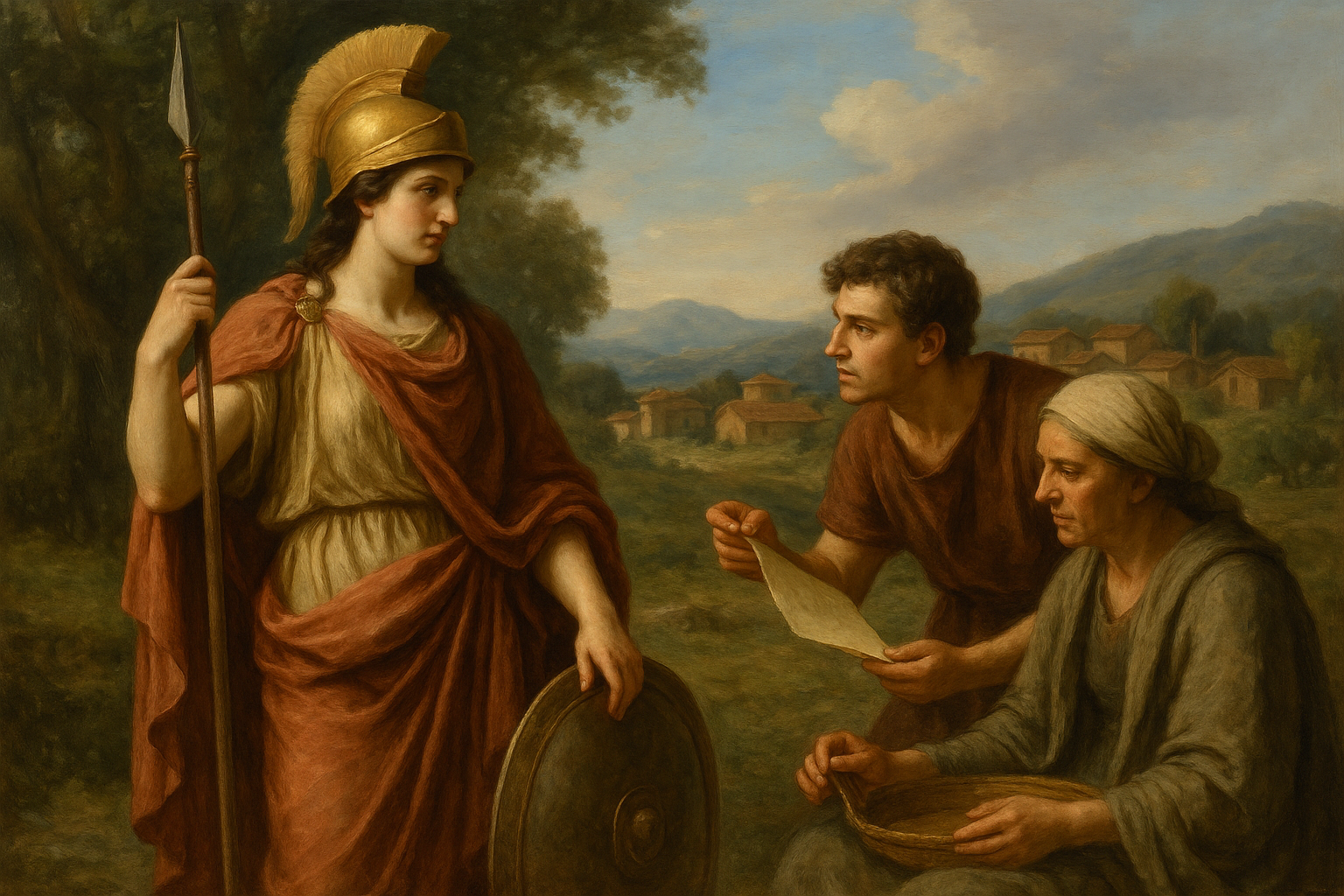
Before Rome developed its own mythology, the Italian peninsula was home to a plethora of tribes, each with its own set of religious beliefs and deities. The Etruscans, in particular, profoundly influenced Roman religion. Their pantheon included gods that later became integrated into the Roman system, such as Tinia (akin to Jupiter) and Menrva (similar to Minerva). As Rome expanded, it encountered Greek culture, which was foundational in shaping the Roman mythological narrative. The Romans adopted Greek gods, attributing to them Latin names, and reinterpreted them within their own cultural framework. For instance, Zeus became Jupiter, Hermes became Mercury, and Aphrodite transformed into Venus. This syncretism allowed the Romans to provide a cultural cohesion that helped unify their diverse empire.
Mythology in Roman Society
Roman mythology served multiple functions within society. It was a means of explaining natural phenomena, instilling moral lessons, and reinforcing the societal order. The Romans often used myths to legitimize their social structures and political hierarchies. For instance, the Aeneid, written by Virgil in the late 1st century BCE, narrates the legendary journey of Aeneas, a Trojan hero. Aeneas was positioned as a foundational figure in Roman mythology, linking Rome’s origins to the ancient glories of Troy. This allowed Virgil to emphasize the divine origins of Rome’s power, suggesting that their imperial destiny was preordained by the gods.
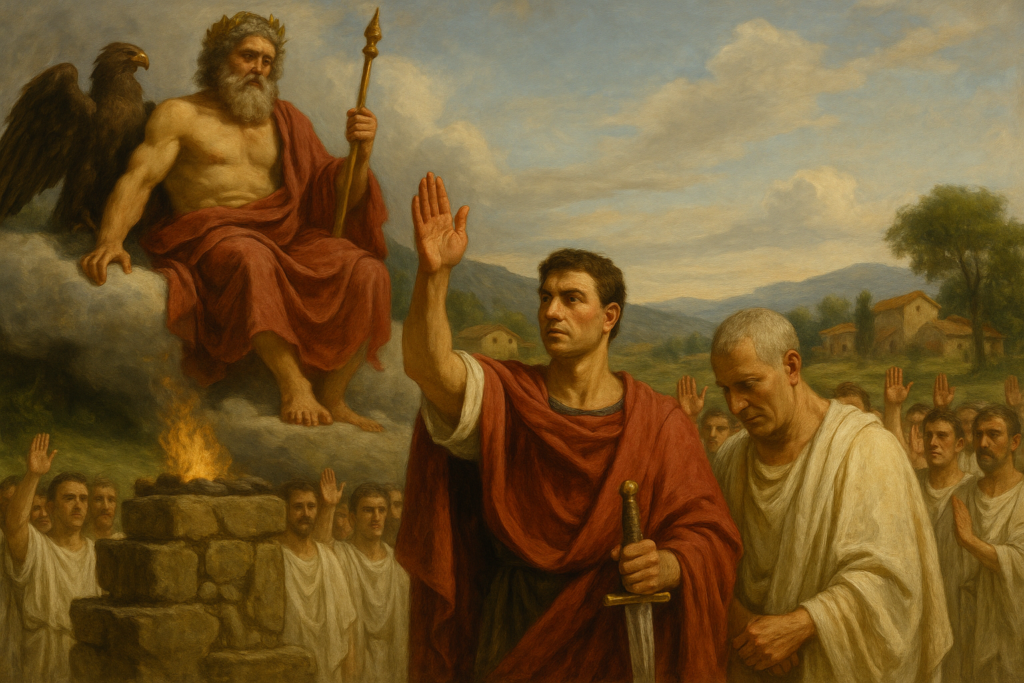
The mythological framework also provided moral instruction. Many Roman myths depicted virtues that were essential to Roman ideals, such as bravery, piety, and duty. The epic tales of heroes and gods often revolved around the importance of sacrifice and honor, reinforcing the values of the Republic and later the Empire. Roman leaders capitalized on these narratives to promote themselves as embodiments of these virtues, facilitating their political agendas through the mystique of divine favor.
Influence of Politics on Mythological Texts
The intertwining of politics and mythology is particularly evident in the works of authors like Livy and Ovid. Livy’s “Ab Urbe Condita,” which chronicles the history of Rome from its mythical foundations, showcases how myth and history were often blended to glorify Rome’s past. Livy aimed to inspire contemporary Romans by illustrating their ancestors’ valor and piety, thus reinforcing Roman patriotism.
In contrast, Ovid, with his “Metamorphoses,” provided a more fluid interpretation of myths, focusing on transformation and the human experience. His work reflects the cultural shifts and tensions of Augustan Rome, particularly the conflict between traditional values and the evolving social landscape. Ovid’s playful perspective on myths also symbolized a shift from the rigid moralism of earlier texts, mirroring the complexities and contradictions of Roman society.
Religious Developments and Mythology
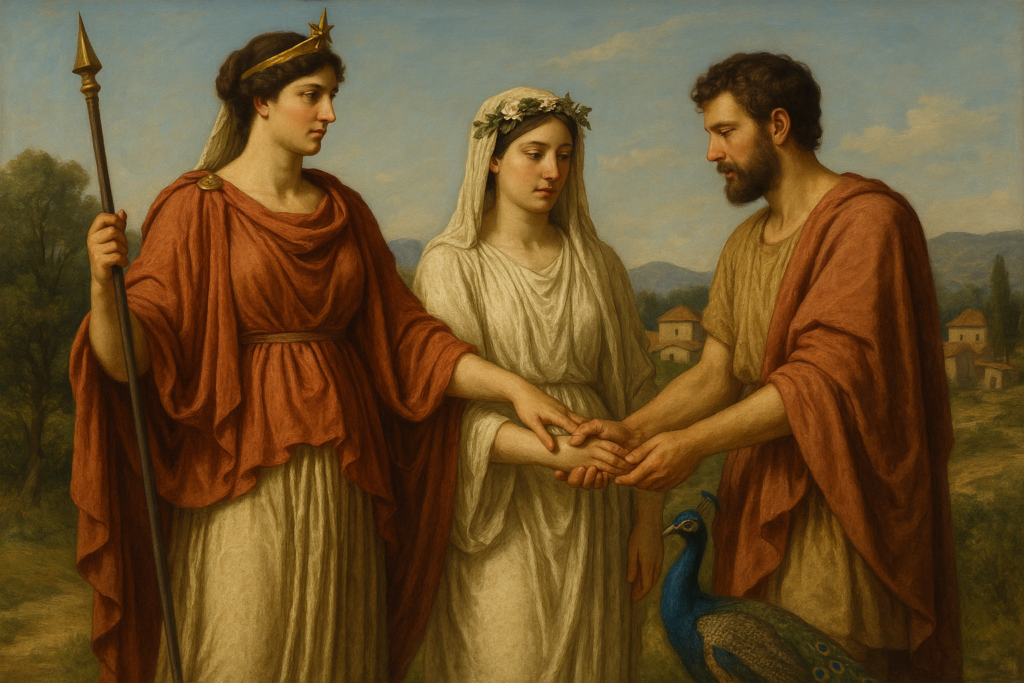
Religion was a cornerstone of Roman identity, and the myths associated with the pantheon were integral to public and private life. The state’s religious affairs were overseen by a class of priests, and various festivals and rituals honored the gods, reinforcing their central role in daily existence. The mythological narratives provided the backdrop for these practices, ensuring that the population remained connected to their divine patrons. The Romans believed that neglecting religious duties could lead to divine displeasure, resulting in calamities or failures.
As Christianity began to spread in the 1st century CE, it presented a challenge to traditional Roman religious practices. The rise of monotheism created a paradigm shift, leading to a reevaluation of Roman myths. The narrative of a sole God fundamentally contradicted the polytheistic structure of Roman mythology, which led to significant cultural tensions. The transition from polytheism to Christianity necessitated the reinterpretation of older myths, either as historical aberration or as morally illustrative tales, illustrating the adaptability of mythological themes across changing socio-religious landscapes.
The Decline of Roman Mythology
As the Roman Empire faced internal strife and external threats during the late antique period, the relevance of traditional myths waned. The consolidation of Christian doctrine and the decline of polytheistic practices reflected the transformation in Roman identity. Scholars like Augustine of Hippo critiqued pagan beliefs, aligning with the new Christian theological perspective that rendered many myths archaic in light of revealed truths.
Nonetheless, remnants of Roman mythology continued to influence Western thought, art, and literature throughout the Middle Ages and the Renaissance. The revival of classical learning brought a resurgence of interest in Roman texts, as scholars sought to reconcile ancient mythology with contemporary philosophical and theological debates.
Conclusion
The historical context of Roman mythological texts is a compelling narrative of cultural evolution, reflecting broader shifts in society, politics, and religion. From its origins in pre-Roman traditions to its adaptation under the pressures of empire and eventual decline, Roman mythology showcases humanity’s enduring need to explain, justify, and reflect upon its existence through stories. The interplay between religion, politics, and social values shaped not just how Romans understood their gods, but also how they conceived of their place in the world. As such, the legacy of Roman mythology endures, informing countless aspects of modern culture and thought. Understanding this historical context enhances our appreciation of the complexities inherent in these ancient narratives, which continue to resonate through time.