The Cultural Impact of Myths Beyond Rome

The Cultural Impact of Myths Beyond Rome
Mythology, the collective narrative of a culture’s past beliefs and stories, serves not only as an avenue for understanding ancient civilizations but also reveals the deeper workings of human consciousness. The proliferation of myths across different cultures around the world provides significant insight into shared human experiences and values. While Roman mythology has certainly left an indelible mark on Western civilization, the cultural impact of myths extends far beyond Rome, influencing literature, art, philosophy, and societal norms across various regions and epochs.
The Essence of Myths
At their core, myths are fundamentally about narratives. They amalgamate the fantastical and the real, the divine with the mundane, often offering explanations for natural phenomena, human behavior, and societal structures. Myths can foster community identity and moral values, providing frameworks within which communities understand their place in the universe.
Greek Mythology: A Foundation for Western Thought
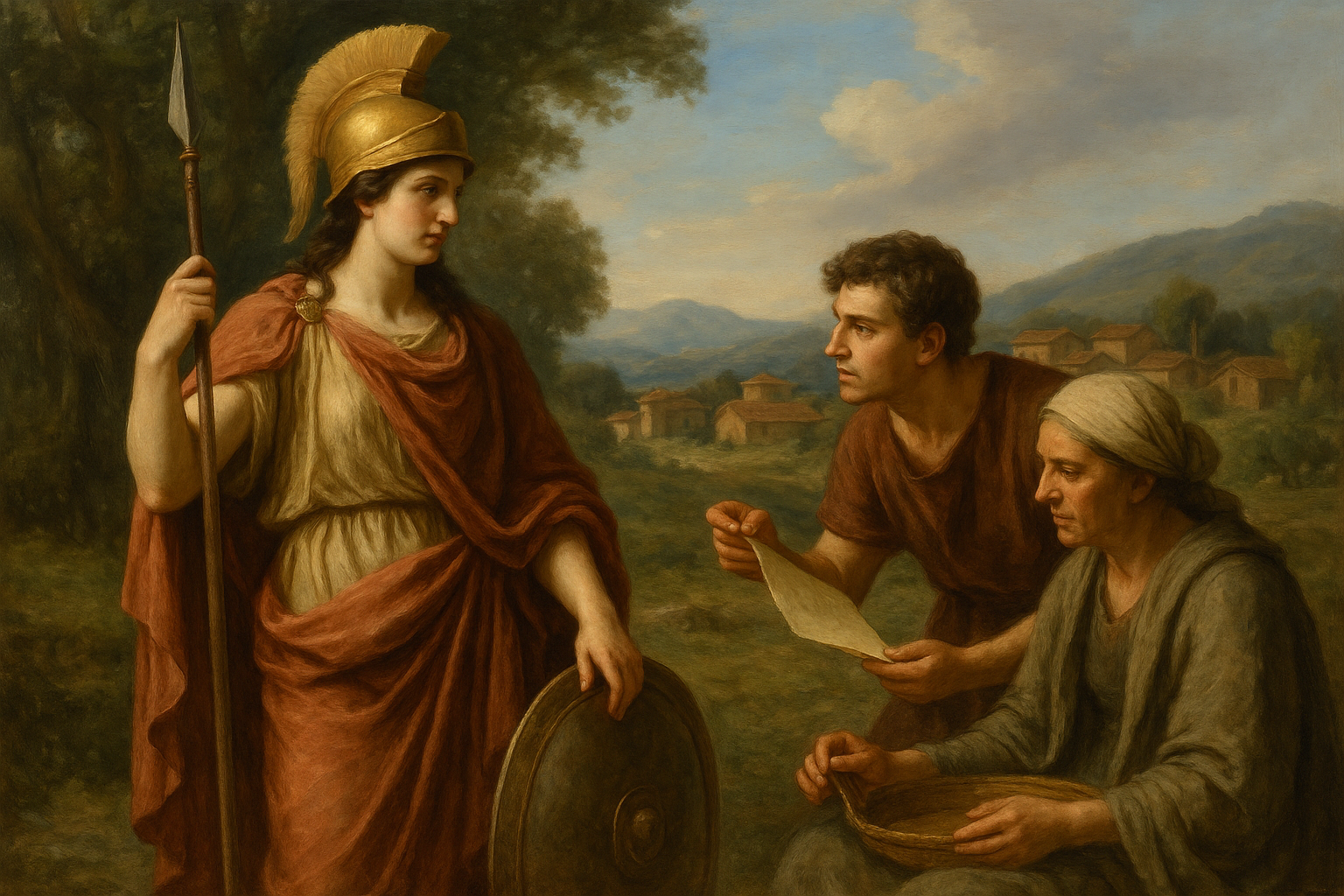
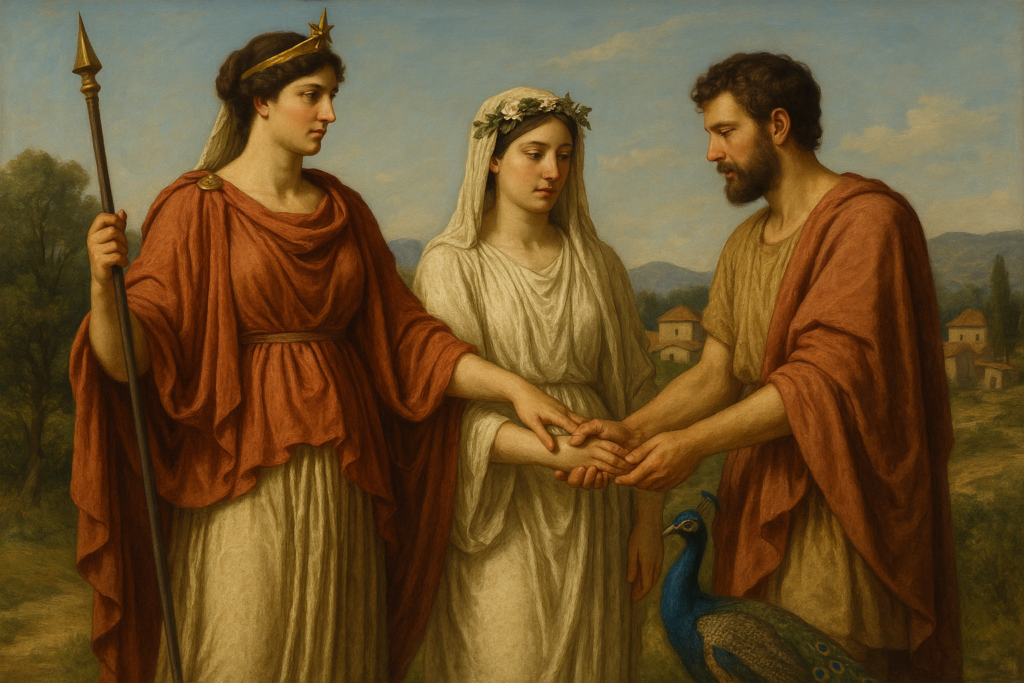
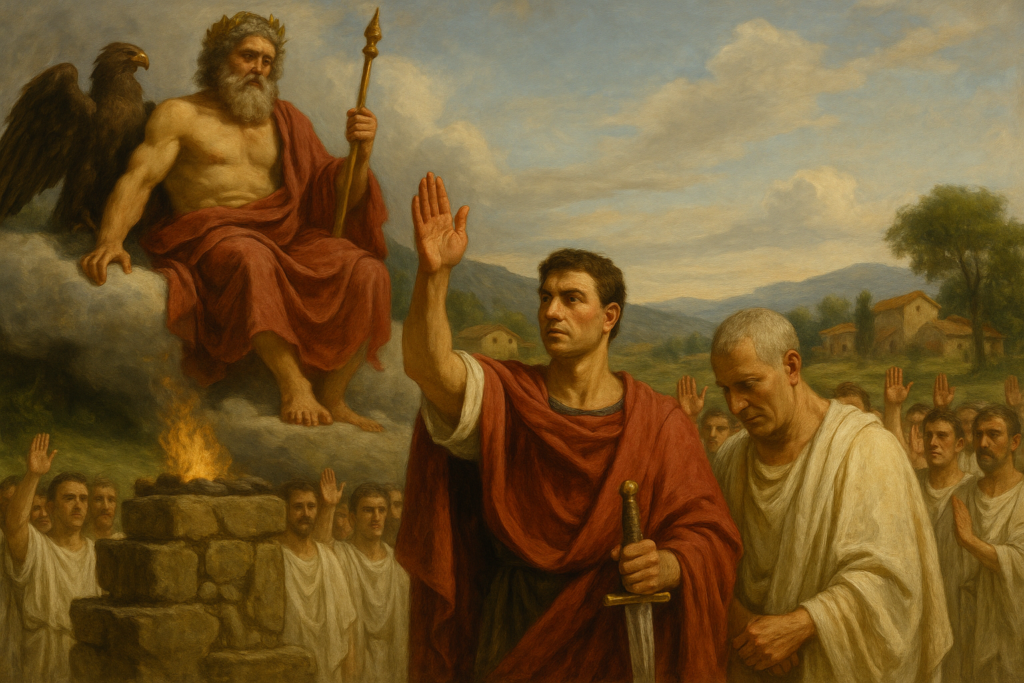
While often overshadowed by Roman adaptations, Greek mythology is a primary wellspring for Western thought. Myths of gods such as Zeus, Hera, and Hermes embed complex narratives around themes of power, love, betrayal, and justice. Greek mythology has significantly influenced literature, philosophy, and psychology. The works of Homer and Hesiod, which have transcended their Greek origins, present a narrative structure that literary works continue to emulate.
Moreover, the philosophical inquiries of figures like Plato and Aristotle were often suffused with mythological references. Plato, for example, used myths as pedagogical tools to convey deeper truths about ethics, existence, and the cosmos. The allegorical nature of myths encouraged people to seek meaning under the surface, a notion that resonates in contemporary discourse about the complexities of human experience.
The Myths of India: Rich Tapestry of Epic Narratives
In stark contrast to Western mythology lies the rich tapestry of Indian mythology, woven primarily through epics like the Mahabharata and Ramayana. These texts are not mere stories; they encapsulate the ethos of the Indian subcontinent, contributing to social, religious, and political frameworks.
The Mahabharata, with its exploration of dharma (duty/righteousness) and artha (material prosperity), presents layers of meaning applicable to everyday life. Characters like Arjuna and Krishna serve as moral compasses, guiding individuals through ethical dilemmas, making the epic relevant even in modern contexts.
Similarly, the Ramayana provides not just a narrative of divine intervention through Lord Rama, but also encapsulates ideals of heroism, loyalty, and duty to family. Its impact is visible not only in literature but also in the performing arts, dance, and festivals throughout South Asia, creating an enduring legacy that shapes cultural identities.
African Mythology: Oral Traditions and Collective Memory
African mythology represents a vast diversity of beliefs and stories connected to various ethnic groups, often conveyed through oral traditions. These myths serve as instruments of social cohesion, preserving collective memories and imparting communal values.
The African trickster figure—such as Anansi the Spider in West African folklore—embodies cunning and creativity, offering insight into human nature and societal norms. These narratives have permeated beyond mere entertainment, influencing contemporary storytelling in literature and film. Writers like Chinua Achebe and Ngũgĩ wa Thiong’o have drawn from these oral traditions, embedding their characters within these frameworks to comment on modern societal issues.
Furthermore, myths concerning creation, morality, and the natural world reflect profound ecological wisdom cultivated over generations. They often express respect for nature and instill a sense of stewardship, resonating with contemporary environmental movements advocating for the interdependence of humanity and nature.
Asian Mythologies: Interwoven Narratives
Asian mythologies—including those from China, Japan, and Southeast Asia—also present significant cultural impacts. In Chinese mythology, the narrative of Pangu, who created the world, and the tales of deities like the Jade Emperor and the Dragon Kings underscore themes of harmony, balance, and the cyclical nature of life. These myths have influenced not only Chinese literature and art but have also shaped philosophies such as Daoism and Confucianism.
Japanese mythology seamlessly intermingles with Shintoism, presenting a distinct narrative about creation and the divine. The kami, or spirits, and the myths surrounding figures like Amaterasu (the sun goddess) play central roles in the cultural landscape, influencing architecture, rituals, and social customs. The enduring presence of these myths in contemporary pop culture—be it through anime, manga, or film—illustrates their ongoing relevance.
Aboriginal and Indigenous Mythologies: Connection to Land and Identity
Aboriginal and Indigenous mythologies provide profound insight into humanity’s connection to the land. Many Indigenous cultures have rich mythological traditions that explain the relationship between people and their environment. These narratives often articulate the significance of natural landforms, celestial bodies, and wildlife, reflecting an innate understanding of ecological interconnections.
For example, the Dreamtime stories of Australian Aboriginal culture serve as a historical account of creation, imparting lessons about sustainability, kinship, and social responsibility. Such myths transcend simple storytelling, becoming the bedrock of cultural identity and belonging. Today, as Indigenous communities strive for recognition and respect, these myths can offer powerful frameworks for asserting cultural sovereignty and environmental stewardship.
Conclusion: Myths as Cultural Vessels
The cultural impact of myths beyond Rome is rich and varied, resonating in ways that transcend geographic and temporal boundaries. Myths serve as vessels carrying collective human experiences, nourishing the identity, values, and moral frameworks of societies. From the epics of Indian culture to the oral traditions of Africa, each myth serves a purpose, whether by instilling ethics, preserving memories, or fostering community ties.
As we delve into these narratives, we find more than mere stories; we uncover the very essence of humanity, echoing our shared hopes, fears, and dreams. In a world hungry for narratives that bind us, myths continue to thrive, shaping our understanding of ourselves and our place in the universe.