Mythology and the Roman Circus: Entertainment and Belief
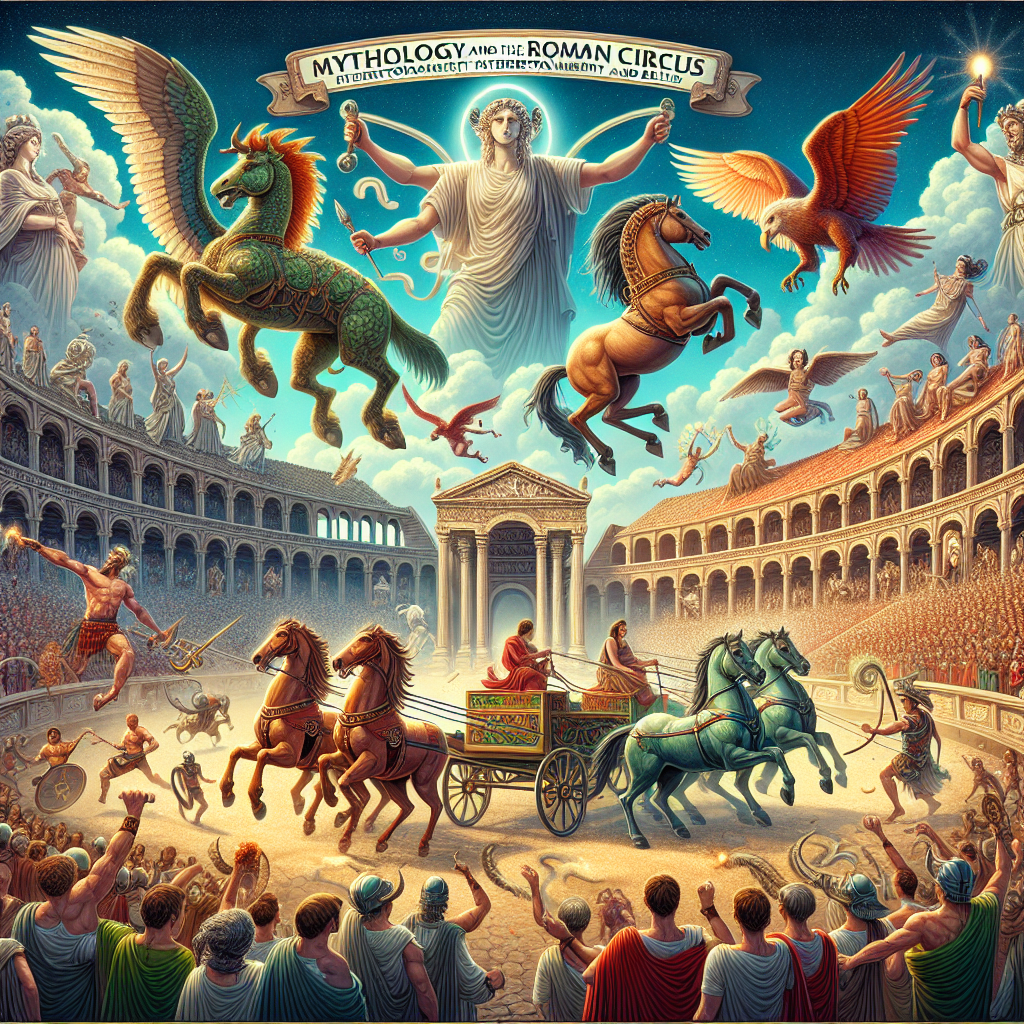
The Roman Circus, particularly the Circus Maximus, stands out as one of the most iconic structures of ancient Rome, serving as a potent symbol of both entertainment and belief. As a space where sporting events such as chariot racing captivated audiences, the Circus was more than just an arena for games; it was an intersection of mythology, religion, and social cohesion. In examining the role of mythology in the context of the Roman Circus, we can uncover how entertainment was intricately woven with beliefs and cultural narratives of the time.
The Structure of the Circus
The largest of the circuses, Circus Maximus could accommodate around 250,000 spectators, making it an extraordinary focal point for public life. Its elongated oval shape, tiered seating, and central spina—the dividing wall adorned with statues, shrines, and obelisks—set the scene for the dramatic contests that took place. Chariot races were not merely athletic contests; they were ritualistic events filled with symbolic significance, where the gods were invoked, and the auspices were taken before races commenced.
The Role of Mythology
Mythology played a fundamental role in the fabric of Roman society. Gods and goddesses influenced every aspect of life, from agriculture to warfare, and the Circus served as one of the many venues where these divine beings could be honored. Chariot races, often dedicated to specific deities, became a means of not only entertaining the masses but also reinforcing the connection between the people and their gods.
Divine Favor and Chariot Racing
Charioteers, often the heroes of the arena, were not just athletes; they were venerated figures who sought the favor of the gods. The success of charioteers in the Circus was frequently attributed to divine intervention. For instance, the god Neptune, associated with horses and the sea, was invoked before races, emphasizing the connection between the divine and the performance of the athletes. This blend of sport and spirituality reinforced the belief that human success was contingent upon divine favor.
Moreover, victors were celebrated not solely for their athletic prowess but as champions of their respective factions (factions were color-coded teams representing different clubs). The colors—red, blue, green, and white—carried their own mythological significances. For example, the Reds were often associated with Mars, the god of war, while the Greens could be linked to the earth and fertility, represented by deities like Ceres. Such associations added a layer of regional pride and personal investment in the races, making victories feel like communal achievements sanctioned by the gods.
Rituals and Festivals
The Circus was also a site for elaborate festivals that reflected religious beliefs and mythological narratives. Events such as the Ludi Romani and the Ludi Megalenses featured not only athletic competitions but also theatrical performances and religious ceremonies. These festivals often marked important mythological events and were designed to pay homage to the gods.
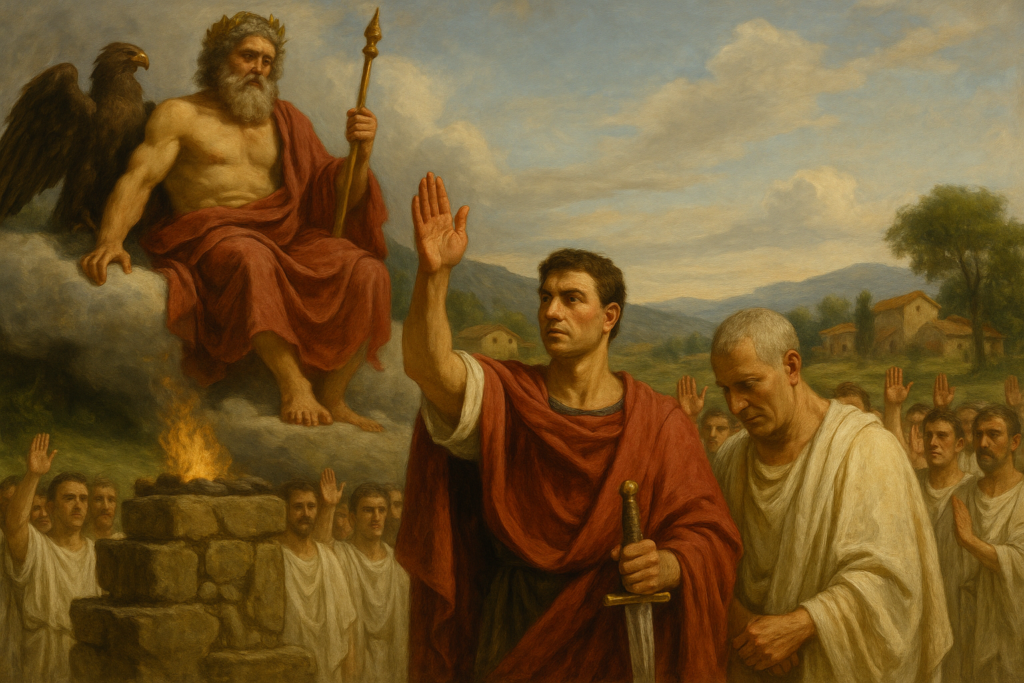
During the Ludi Romani, for instance, races were held in honor of Jupiter, the king of the gods. Such rituals enabled the populace to re-enact mythological stories and narratives, reinforcing cultural memory while connecting modern-day ceremonies to the ancients. The emotional weight of these events was palpable, creating a sense of shared identity among the spectators, transcending social classes.
The Symbolism of the Spina
The spina at the center of the Circus was more than a physical barrier; it was imbued with spiritual significance. Often adorned with temple-like structures and statues of various deities, the spina served as a narrative focal point, embodying the intersection of myth and reality. During races, the spina represented the axis mundi, the world’s center where the divine and the mundane intersected.
In races, chariots circled the spina multiple times, creating a rhythmic repetition that echoed the cyclical nature of mythology itself—life, death, and rebirth. This cyclical movement could symbolize not just the race but the larger human experience, mirroring mythological cycles seen in stories of gods and heroes. The spectacle, in this case, became a living testament to the age-old narratives that connected past, present, and future.
Social Cohesion through Myth and Entertainment
The Circus also functioned as a forum for social cohesion. Despite the vast social divides in Roman society, the events held at the Circus allowed for a communal experience where people from various backgrounds came together. Roman myths often emphasized themes of unity, familial bonds, and the importance of the state, and these themes were mirrored in the diverse assembly of Circus-goers.
The races were a genuine reflection of Roman values, placing emphasis on competition, honor, and the favor of the gods. This communal gathering facilitated social discourse, allowing people to bond over shared experiences and collective narratives. The mythological associations inherent in the Circus fostered a sense of collective identity, rooting spectators in their cultural heritage while reminding them of the gods’ eternal presence in their lives.
Conclusion: The Enduring Legacy of the Circus
The Roman Circus, with its blend of entertainment and mythology, acted as a powerful medium through which the Romans articulated their beliefs and communal identities. As much as it was a site of passionate races and vibrant festivities, it juxtaposed the simplicity of entertainment with the profound complexity of cultural belief systems.
The legacy of the Roman Circus endures today, reflecting the capacity of ancient myths and modern entertainment to intertwine. While the spectacles may have evolved, the human desire for connection—be it through sport, story, or ritual—remains constant. In understanding the Circus’s significance within Roman mythology, we see more than just a historical relic; we witness a rich tapestry of life that speaks to the resilience of the human spirit across time. The Roman Circus was indeed a marvel that encapsulated the hearts and minds of a civilization, uniting entertainment with profound belief.