Gender Dynamics in Roman Mythological Narratives
The mythological narratives of ancient Rome reflect the complexities of gender dynamics, mirroring social norms, power structures, and cultural values of the time. Roman mythology, a tapestry interwoven with influences from earlier Greek myths and indigenous Italic traditions, offers a rich landscape for examining the roles of gender and their impact on society. Through the actions and attributes of both deities and mortals, these narratives reveal expectations of masculinity and femininity, the interplay of power, and the subversion of traditional roles.
The Pantheon and Gender Roles
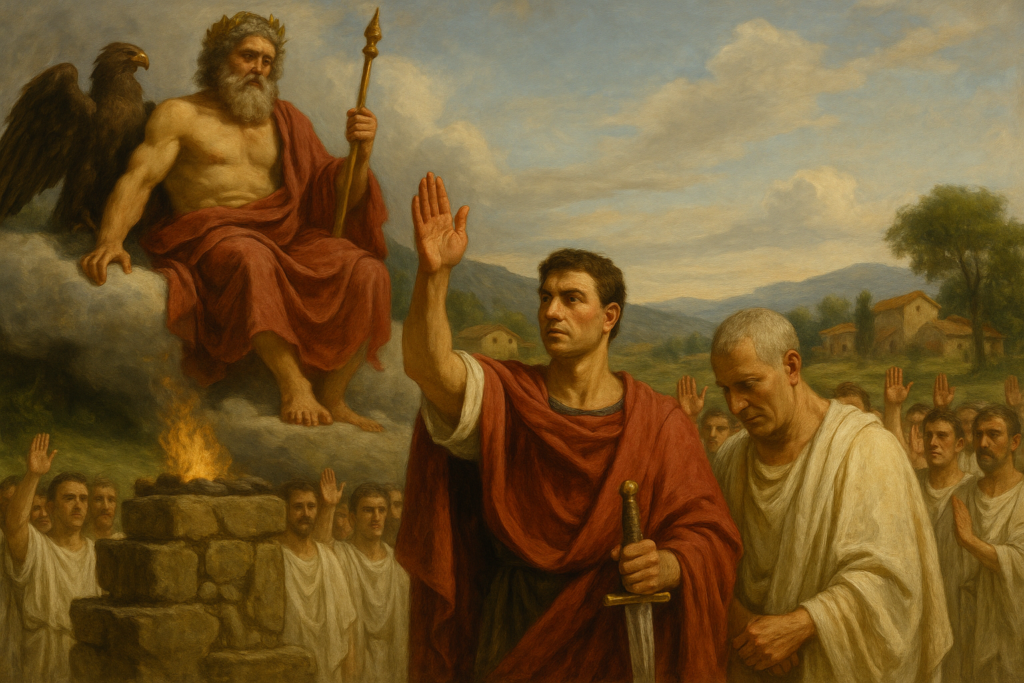
At the heart of Roman mythology is a pantheon of gods and goddesses, each representing essential aspects of life and nature, and embodying societal ideals. Male gods such as Jupiter (the king of the gods), Mars (the god of war), and Neptune (the god of the sea) often symbolize strength, authority, and aggression. Jupiter’s role as a protector and enforcer of social order reflects the patriarchal values prevalent in Roman society, where male dominance was a cornerstone of family and political structures.
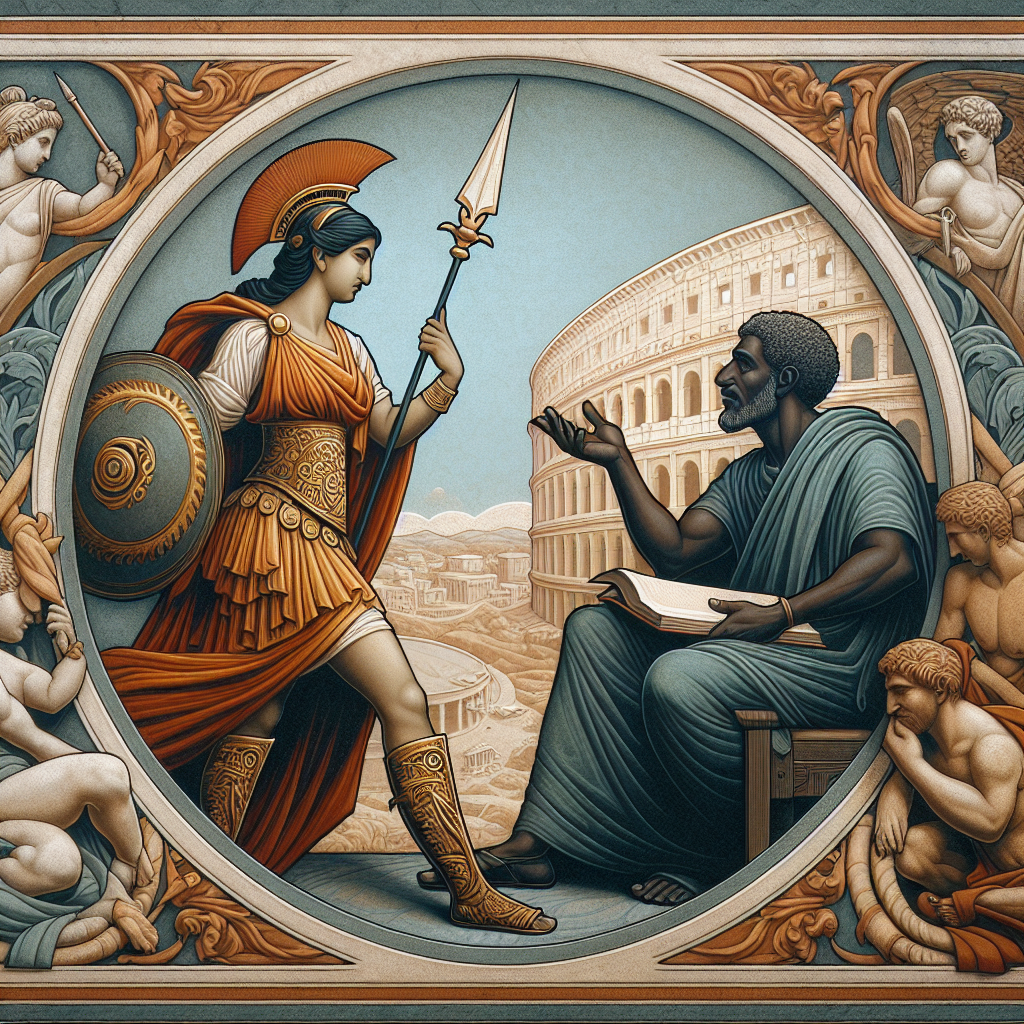
In contrast, female deities like Juno (goddess of marriage), Venus (goddess of love and beauty), and Minerva (goddess of wisdom and strategic warfare) often embody the ideals of womanhood, such as fidelity, nurturing, and domesticity. Juno, for example, represents the sanctity of marriage and motherhood, which were highly valued in Roman culture. However, Roman mythology also underscores the power of feminine forces, often transforming women into figures of agency.
Subversion of Gender Norms
Despite the overarching patriarchy, several mythological narratives serve to subvert traditional gender roles. One notable example is the story of Venus and Mars. They are often depicted as lovers who defy societal expectations. While Mars represents hyper-masculinity as a war god, Venus, the goddess of love, assumes an assertive role in their relationship, challenging the social hierarchy that typically places men in positions of dominance. This dynamic allows for a commentary on the fluidity of gender roles, suggesting that power can manifest in various forms, not strictly through physical prowess.
Further, the figure of the Vestal Virgins illustrates an intriguing dichotomy in gender expectation. These priestesses, dedicated to Vesta, the goddess of the hearth, held significant power in society despite their enforced celibacy. Their roles as guardians of the sacred fire involved governance in religious and ceremonial spaces, demonstrating a unique form of authority that transcended typical female roles. The Vestal Virgins wielded social influence and were regarded as vital to the prosperity of Rome. However, they were also subject to strict societal regulations, reflecting the duality of empowerment and restriction.
Themes of Transformation
Transformation is a recurring theme in Roman mythology and often serves as a metaphor for gender fluidity. The myth of Tiresias, a mortal who is transformed into a woman for seven years, exemplifies this transformative power. Through his experience, Tiresias gains insight into the female experience, challenging the binary notions of gender. His narratives imply that gender identity is not merely a biological condition but a spectrum informed by experience.
Similarly, the myth of Daphne and Apollo highlights the struggle against male dominance. Daphne’s transformation into a laurel tree is emblematic of her resistance to Apollo’s advances, showcasing the agency of a female figure in a patriarchal narrative. While she is pursued by a male deity, her transformation serves as a powerful statement of autonomy, revealing the complexities of desire and consent in Roman mythology.
The Role of Mortals
Roman myths frequently depict mortal women through the lens of their relationships with men, underscoring societal expectations of female subservience and loyalty. Yet, the narratives also provide glimpses of powerful women who assert their agency within these confines. The tale of Lucretia, a noblewoman whose tragic fate incites a rebellion against tyranny, illustrates this tension. Lucretia’s assault and subsequent act of suicide catalyze political change, emphasizing how female suffering can ignite social transformation. Her story resonates with themes of honor and collective action, highlighting the intersection of gender and political power.
In contrast, figures like Medea, who also appears in Roman retellings, embody both the archetype of the passionate, vengeful woman and the consequences of crossing societal bounds. Medea’s fierce independence and eventual descent into violence portray the fears associated with female power—an element often demonized in mythological narratives. Such portrayals of women evoke a duality that amplifies their complexity, suggesting that female power, when unchecked, can lead to chaos.
Conclusion: The Legacy of Roman Gender Dynamics
The gender dynamics in Roman mythological narratives offer a rich and multifaceted exploration of masculinity and femininity. By examining the roles of gods and mortals alike, we derive insights into how societal norms and expectations are constructed, contested, and evolved. The interplay of power, agency, and transformation disrupts simplistic categorizations of gender, revealing a nuanced understanding of identity in Roman culture.
While many myths reinforce patriarchal ideals, others subvert them, allowing reflection on the broader implications of gender dynamics in society. Roman mythology serves not only as a collection of stories but also as a lens through which we can analyze the continued relevance of these themes in contemporary discussions about gender, power, and identity. Ultimately, the narratives remind us of the complexities of the human experience, transcending their historical context to echo in modern society’s ongoing dialogue about gender and agency.