From Republic to Empire: Changes in Roman Mythology
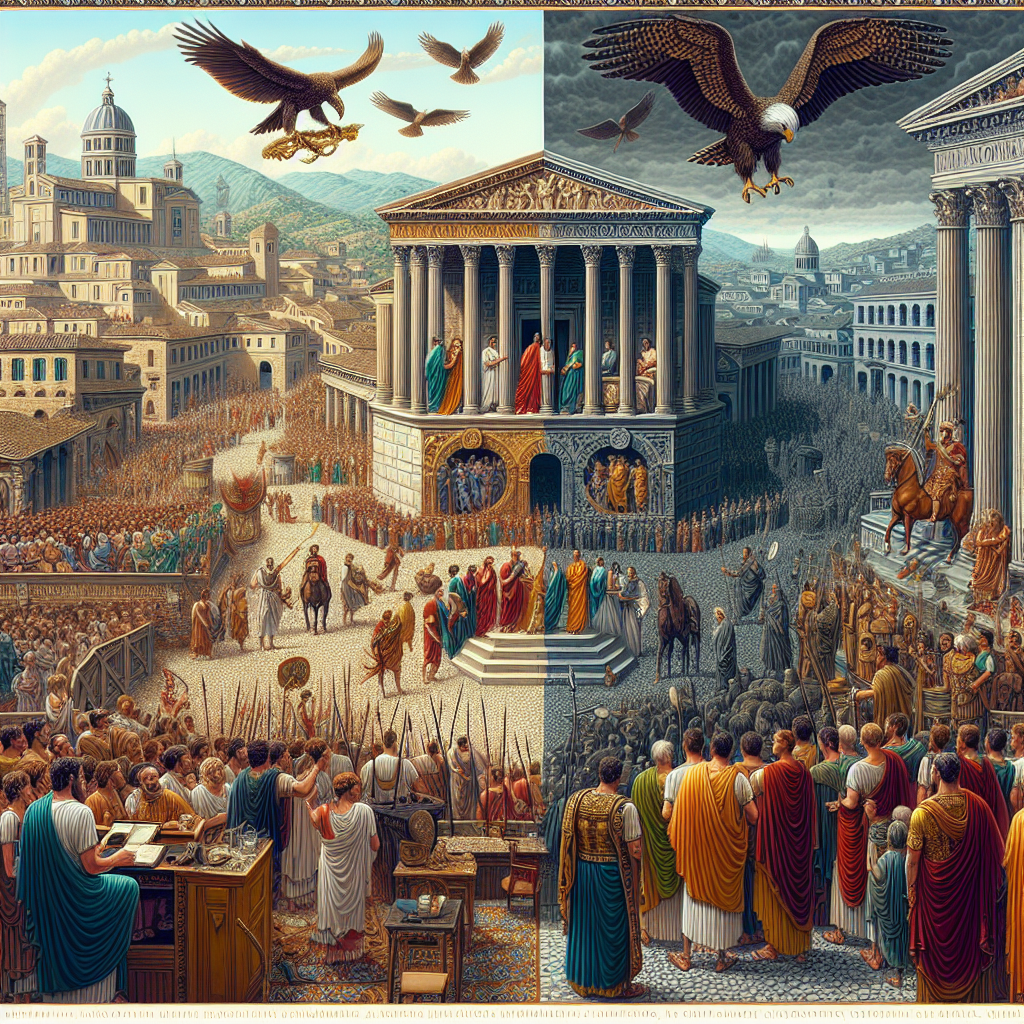
The Roman civilization underwent significant transformations between its establishment as a republic in the 6th century BCE and its evolution into a sprawling empire by the 1st century CE. This transition was marked not only by political and social shifts but also by profound changes in religious practices and mythology. As Rome expanded its territories, absorbed new cultures, and redefined its identity, its mythology evolved in response to these dynamic influences.
The Roots of Roman Mythology
Initially, Roman mythology was grounded in agrarian traditions and local deities tied closely to the lifecycle of farming. Early Roman gods such as Saturn, the god of sowing, and Ceres, the goddess of agriculture, were crucial to the community’s well-being, reflecting a society that revered the land and its bountiful harvests.
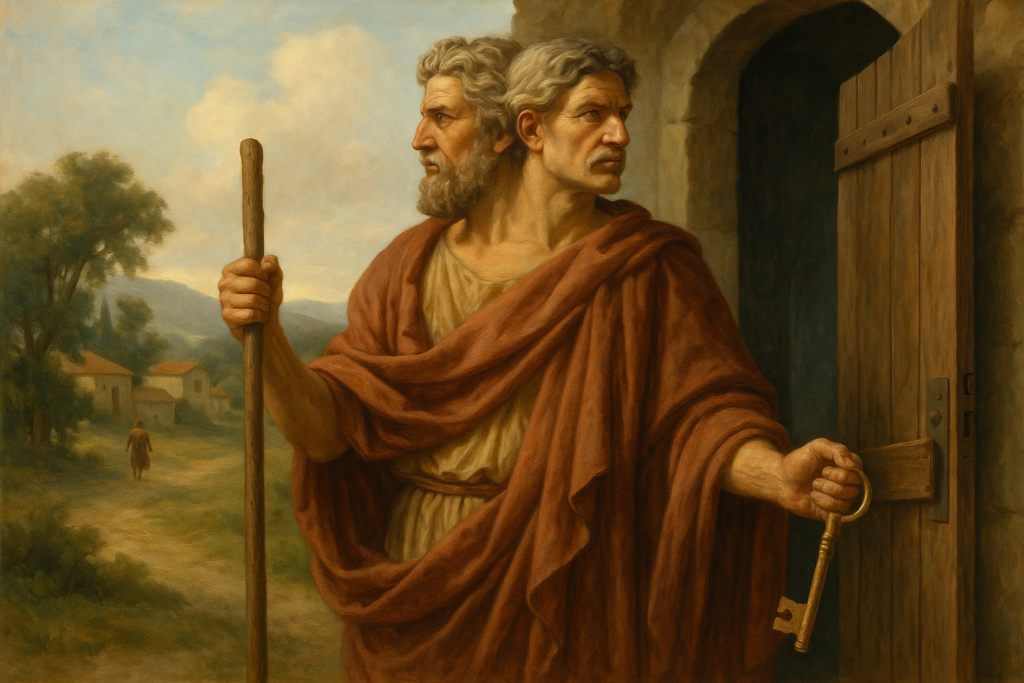
Mythology during the republican period was characterized by a sense of practicality, often revolving around rituals and ceremonies designed to honor these deities. The Romans believed that proper worship would ensure the favor of the gods, directly impacting their daily lives and the success of the state. Deities like Janus, the god of beginnings and endings, and Vesta, goddess of the hearth, were cult figures representing stability and continuity, vital for a burgeoning republic.
The Influence of Greek Mythology
As Rome conquered and absorbed the Greek territories, its mythology began to change dramatically. By the 3rd century BCE, Hellenistic influences permeated Roman culture, leading to the syncretism of Roman and Greek deities. Mars, originally a god of agriculture, began to be conflated with the Greek Ares, acquiring martial attributes and becoming a heroic and warlike figure.
This integration extended beyond mere name changes. The rich narratives of Greek mythology inspired Roman tales, leading to the transformation of local myths and the establishment of a new pantheon characterized by epic narratives and moral lessons. The works of poets such as Virgil and Ovid reinterpreted these tales, weaving them into the fabric of Roman identity, presenting a mythology that was distinctly Roman yet deeply influenced by Greece.
The Role of Mythology in Supporting the State
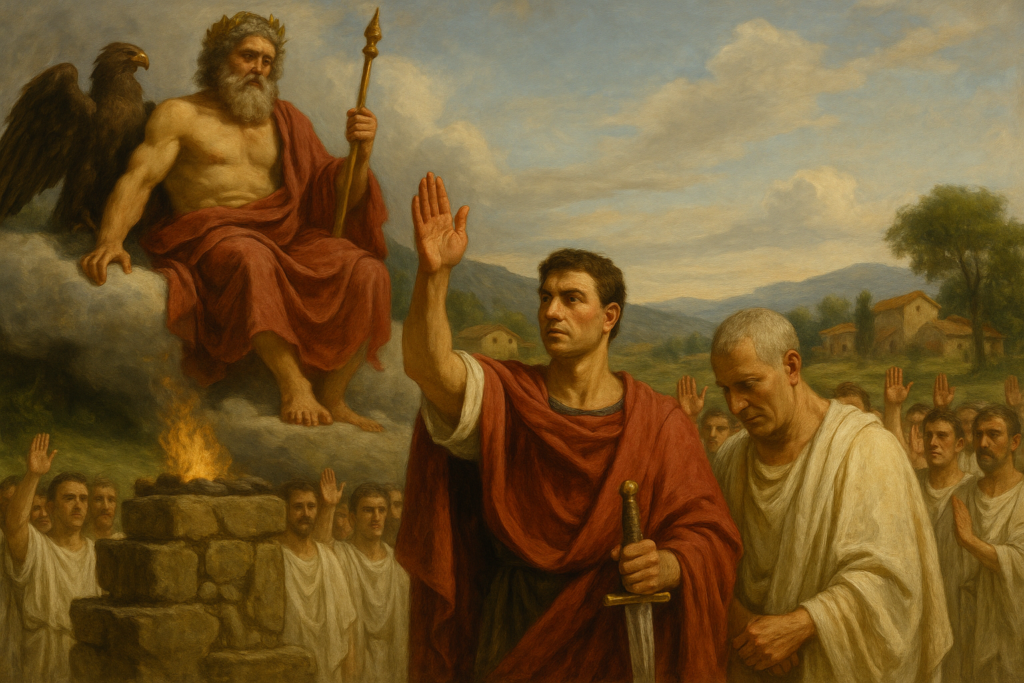
During the republican period, mythology served a crucial role in legitimizing the political structure of Rome. Rituals and festivals, such as the Ludi Romani, were integral to Roman social life, intertwining religion with governance. Myths of divine ancestry, such as the tales of Aeneas, who fled Troy and eventually founded Rome, acted as powerful narratives that fostered civic pride and unity.
As the Republic transitioned into an empire, this role was amplified. The imperial period saw the emergence of the deification of emperors, a significant shift in Roman mythology. Figures like Julius Caesar and later emperors like Augustus were posthumously deified, blending political power with divine sanction. This created a new mythology centered around the emperor as a semi-divine figure, often associated with the patronage of particular deities, solidifying the emperor’s authority and reinforcing loyalty to the state. The emperor was not just a ruler; he was a link between the divine and the mortal realm.
Changes in Religious Practices
The transition from a republic to an empire brought about more than just shifting narratives; it led to changes in religious practices. The traditional Roman religion began to coexist with Eastern cults, such as those dedicated to Isis and Mithras, as well as local practices from conquered regions. These new religions offered mystery, personal salvation, and a more intimate connection to the divine—qualities that were increasingly appealing to Roman citizens seeking something beyond the state-sanctioned rituals.
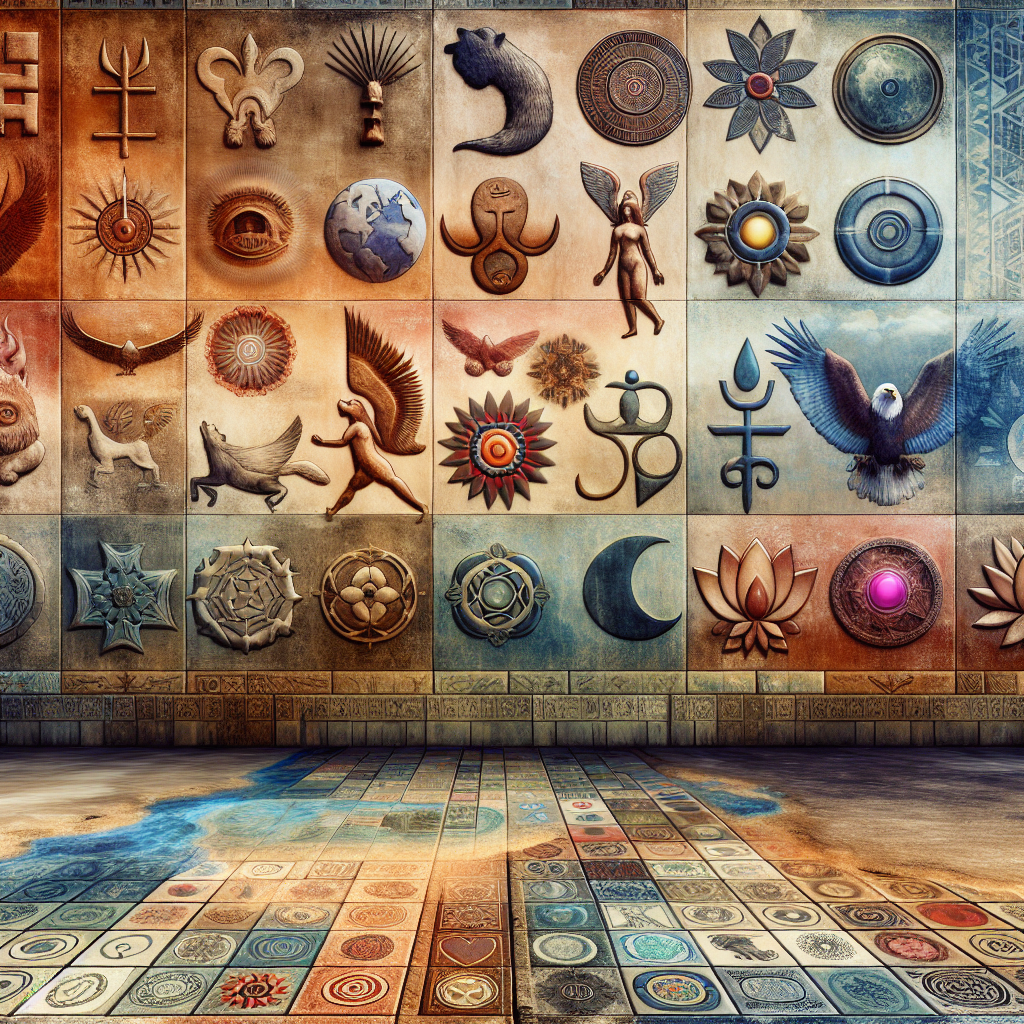
This syncretism enriched the Roman religious landscape but also created tensions between traditionalists and proponents of new beliefs. The incorporation of foreign deities and their myths led to a more buffet-style approach to worship, where individuals could choose among various gods and practices, reflecting the diverse and multicultural fabric of the empire.
Literature and Art as Reflections of Change
The artistic and literary output of the time also illustrates the changes in Roman mythology. The epic poetry of the Augustan age embraced both traditional Roman values and Hellenistic influences. Works like Virgil’s “Aeneid” aimed not only to establish a national epic but also to convey moral guidelines and ideals that resonated with the imperial ethos.
Art from this period increasingly depicted mythological themes, showcasing not only the gods of the traditional pantheon but also key mythological figures reinterpreted through the lens of changing Roman values. Statues of divinized emperors, alongside traditional deities, began to populate public spaces, merging political authority with mythological grandeur.
Conclusion: The Legacy of Roman Mythology
By the time Rome reached its zenith as an empire, its mythology had transformed significantly. The evolution from a republic with a practical and localized mythology to an empire characterized by elaborate myths of divine royalty showcased the complexity and adaptability of Roman cultural identity.
As Rome integrated diverse influences from its vast territories, mythology became a reflection of the empire’s aspirations, struggles, and achievements. The shift toward an emperor-centric form of divinity marked a critical juncture in Roman history, illustrating how mythology could serve as a powerful tool for both political legitimacy and cultural identity.
Today, Roman mythology continues to influence literature, art, and popular culture, a testament to its rich legacy. The transition from republic to empire is not merely a historical narrative; it is a story expressed through the myths that shaped the very foundations of Roman civilization, resonating through the ages and continuing to captivate the imagination of generations.