Daughters of the Gods: Female Divine Figures in Roman Myth
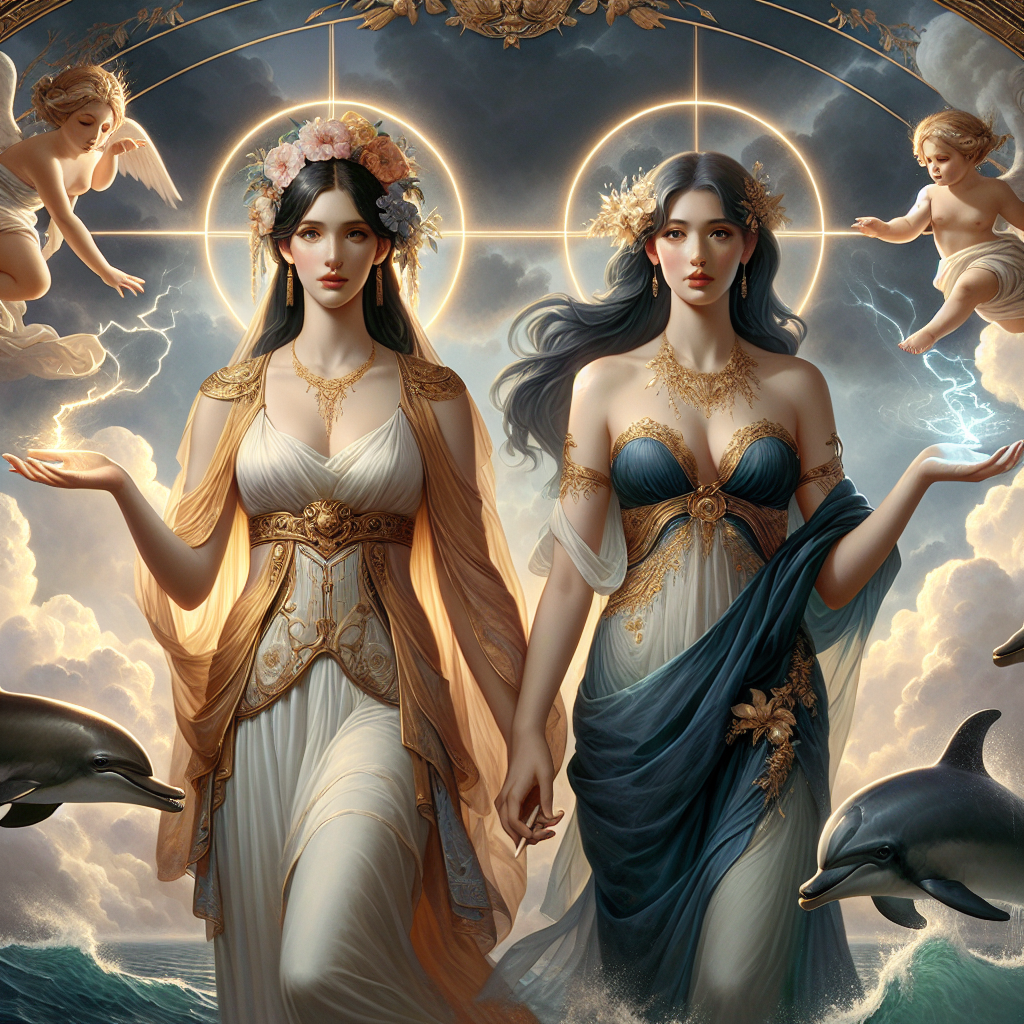
The rich tapestry of Roman mythology is woven with a multitude of deities, many of whom played pivotal roles in the cultural, religious, and social lives of the ancient Romans. Among these divine figures, female deities are particularly notable, embodying various aspects of life, nature, and the human experience. This article will explore several significant daughters of the gods in Roman mythology, delving into their stories, attributes, and the lessons they imparted to the Roman populace.
Venus: The Goddess of Love and Beauty
Perhaps the most renowned of the female divine figures in Roman mythology is Venus, the goddess of love, beauty, and fertility. Known as Aphrodite in Greek mythology, Venus was often depicted as the epitome of beauty, symbolizing romantic love and desire. According to myth, she was born from the sea foam, illustrating her connection to both the natural world and the primordial forces of creation.
Venus played a critical role in various myths, including the famous tale of the Trojan War. Her promise of love to Paris, in exchange for declaring her the fairest among the goddesses, sparked the conflict that ultimately led to the fall of Troy. Moreover, Venus was revered across various aspects of Roman culture, not only as a symbol of romantic love but also as a nurturing mother and protector of fertility—qualities crucial to Roman society, which placed high value on family and progeny.
The cult of Venus also held significant importance, especially with the establishment of Venus Genetrix, who was believed to be the ancestress of the Roman people through her son, Aeneas. This connection reinforced the political ideology that linked Rome’s power and divinity, casting the city as favored by the gods.
Minerva: The Goddess of Wisdom and War
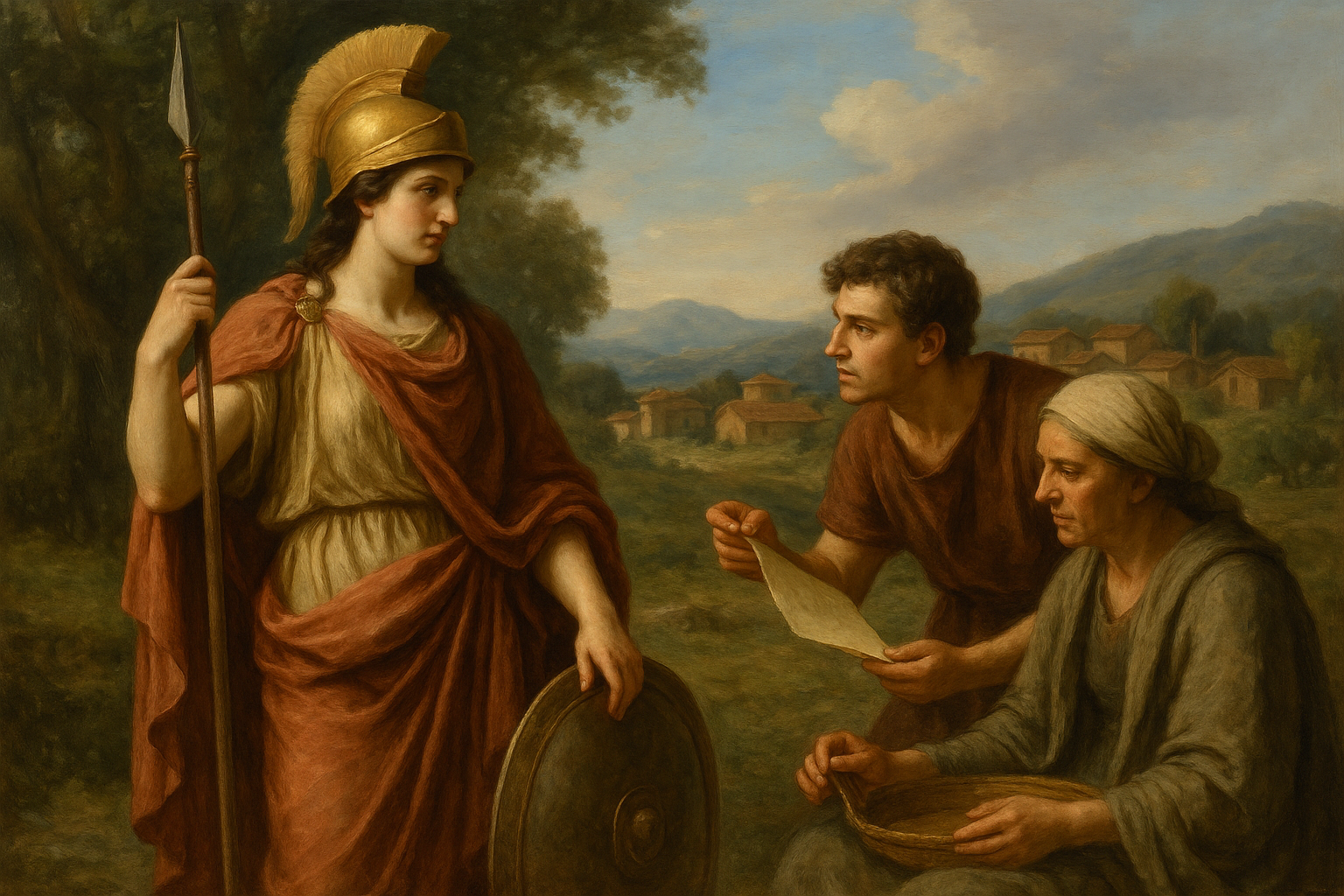
Minerva, the Roman counterpart of the Greek goddess Athena, represents wisdom, strategic warfare, and the arts. Known for her intelligence and reasoning, Minerva was often invoked in matters of statecraft, philosophy, and various arts, from literature to crafts. Unlike the chaotic and often brutal nature of Ares, the god of war, Minerva personified the intellect and strategy behind warfare, advocating for thoughtful approaches to conflict.
The Roman perspective of Minerva was deeply intertwined with their values of discipline and rationality. Festivals in her honor, like the Quinquatria, were celebrated with the aim of promoting cultural and intellectual pursuits. This aligning of wisdom with warfare suggested that rational thought could lead to peace and prosperity—not merely dominance through brute force.
Additionally, Minerva is celebrated for her role in the story of the founding of Rome itself. She is said to have guided the construction of the city, highlighting her importance not just as a war goddess but as a protector of civilization and culture.
Diana: The Goddess of the Hunt and Moon
Diana, akin to the Greek Artemis, was revered as the goddess of the hunt, the wilderness, and the moon. Often depicted with a bow and arrows, Diana embodied independence and the untamed aspects of nature. Romans celebrated her as a protector of animals and the forests, which were essential sources of sustenance and survival.
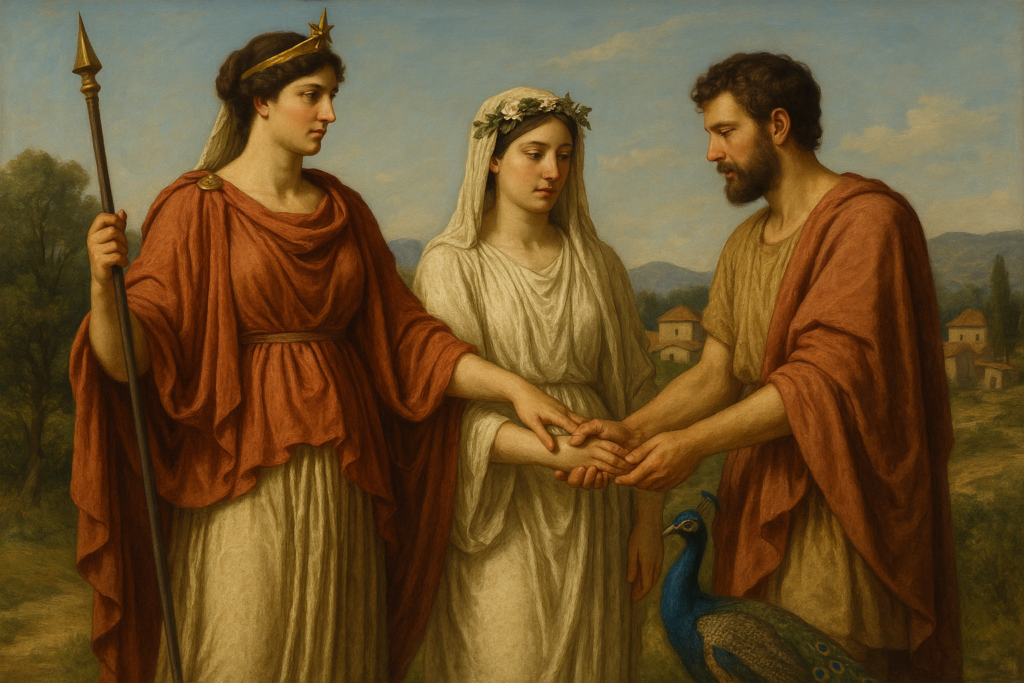
Diana’s dual nature as a hunter and a moon goddess signifies the balance of strength and serenity. She was also associated with childbirth and women’s rights, making her a multifaceted figure in Roman spiritual life. Her identity as a virgin goddess allowed her to serve as a model of independence and virtue, further emphasizing the diverse ways femininity was represented in Roman culture.
The worship of Diana was not just limited to her divine realms. The Temple of Diana on the Aventine Hill in Rome became a center for public life, where her devotees would gather to express their reverence, illustrating her importance in the social fabric of Roman society.
Ceres: The Goddess of Agriculture and Fertility
Ceres, the goddess of agriculture and grain, held immense significance in Roman culture as the sustainer of life. Similar to the Greek Demeter, Ceres was central to agricultural practices, ensuring the fertility of the land and the success of crops. This made her especially important in a society that relied heavily on agrarian roots.
The myth of Ceres is deeply intertwined with the changing seasons, primarily revolving around her daughter Proserpina (Persephone in Greek mythology). The abduction of Proserpina by Pluto, the god of the underworld, symbolizes the cycles of life, death, and rebirth. Ceres’ grief during her daughter’s absence led to the barren winter months, while her joy upon Proserpina’s return heralded spring and renewal.
Ceres’ festivals, particularly the Cerealia, celebrated the harvest and showcased the interconnectedness of life, death, and fertility within Roman belief systems. Such festivals served as a reminder of the importance of agriculture, community, and the cyclical nature of existence.
Conclusion: The Daughters of the Gods and Their Legacy
The female divine figures in Roman mythology serve as rich embodiments of various human experiences, struggles, and virtues. Whether representing love and beauty, wisdom and warfare, independence and nature, or agriculture and fertility, these goddesses offer a nuanced understanding of womanhood and femininity within antiquity.
The legacy of these divine daughters extends beyond the confines of mythology; they continue to influence modern interpretations of gender roles, power dynamics, and cultural values. By examining their stories, we not only uncover the intricacies of Roman mythology but also engage with the timeless narratives that shape our understanding of the divine feminine.
As contemporary societies continue to grapple with notions of empowerment and representation, the tales of Venus, Minerva, Diana, and Ceres remind us of the strength and diversity inherent in female experiences—a testament to the enduring impact of these ancient goddesses in our ongoing quest for understanding and equality.