The Language of the Gods: Norse Mythological Terms
Norse mythology, rich in symbolism and teeming with deities, heroes, and mythical creatures, offers a fascinating lexicon that reflects the beliefs, culture, and values of the Norse people. From the awe-inspiring realms of Asgard to the treacherous waters of Midgard, the terms used in Norse mythology serve as a bridge connecting us to an ancient worldview. This article delves into the nuances of the language of the gods, exploring essential terms and their significance within the mythological context.
1. The Realms of Existence
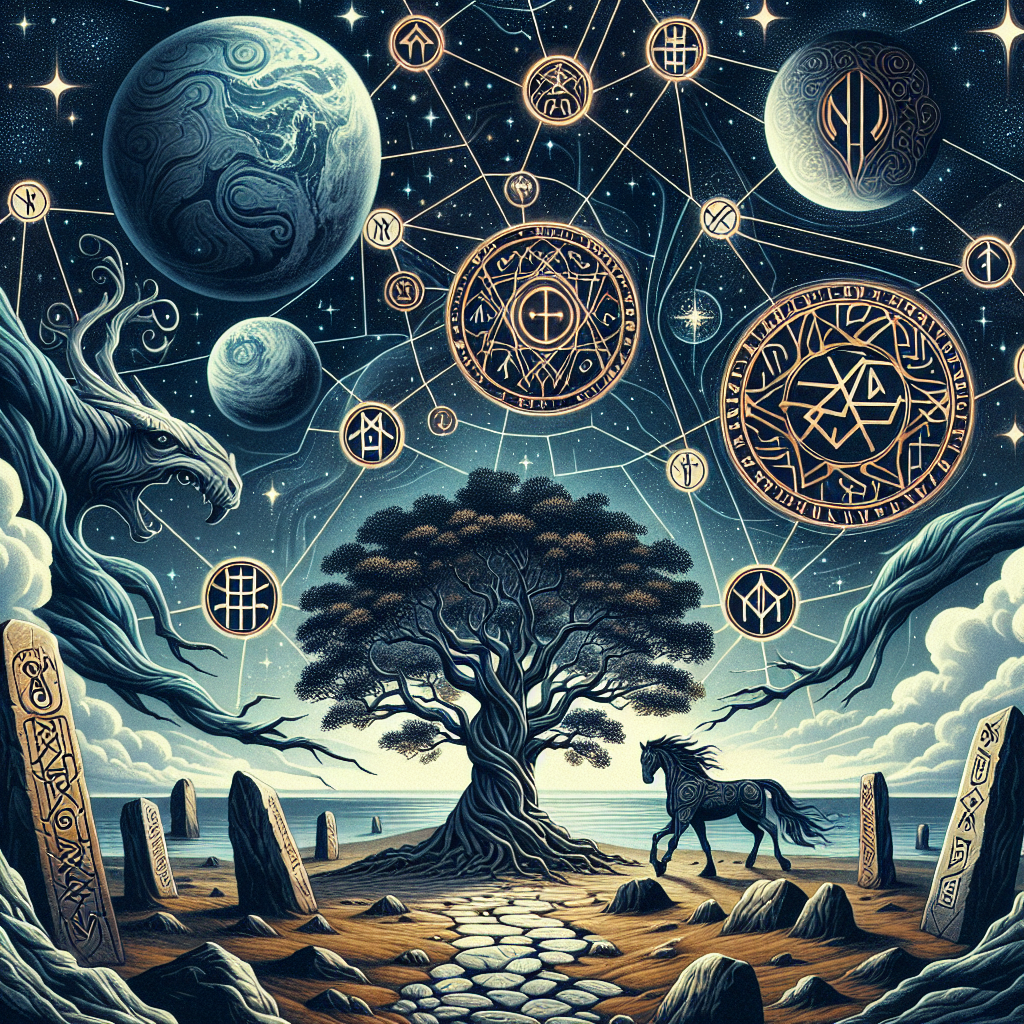
Central to Norse cosmology is the concept of nine realms that exist within the vastness of Yggdrasil, the World Tree. Each realm possesses unique characteristics and inhabitants.
Asgard: The realm of the Aesir gods, Asgard is often depicted as a majestic fortress. Home to deities such as Odin, Thor, and Frigg, it embodies power and divinity. The term “Asgard” itself translates to “enclosure of the Aesir,” solidifying its importance in the hierarchy of existence.
Midgard: This is the world inhabited by humans, situated between Asgard and the realms of the giants (Jotunheim). The term “Midgard” translates to “middle earth,” signifying humanity’s place within the cosmic order. The bridge connecting Midgard to Asgard is the Bifrost, a rainbow-colored bridge that symbolizes the connection between mortals and gods.
Helheim: The underworld realm presided over by Hel, the daughter of Loki. Helheim is where souls who did not die a heroic death journey after passing on, emphasizing the Norse belief in valor and bravery. The term “Hel” can mean “to hide” or “to conceal,” hinting at the mysterious nature of death.
2. The Pantheon of Gods
The deities of Norse mythology not only wield extraordinary powers but also embody various aspects of life and nature.
Odin: Known as the Allfather, Odin represents wisdom, war, and death. Often depicted with one eye (having sacrificed the other for knowledge), his name derives from the Proto-Germanic word “Wōðinaz,” meaning “fury” or “madness.” His quest for wisdom is a central theme in many myths, illustrating the high value placed on knowledge.
Thor: The thunder god, Thor is a protector of mankind and a symbol of strength and security. His hammer, Mjölnir, represents his power and is an emblem of protection against the chaotic forces of the giants. The name “Thor” is derived from the Proto-Germanic “Þunraz,” or “thunder,” illustrating his association with storms and agriculture.
Loki: A complex figure, Loki is often described as a trickster god. While he aids the other gods, he also orchestrates their challenges, leading to a duality of chaos and cunning. His name is thought to derive from the Old Norse word “lúka,” which means “to close” or “to lock,” hinting at his role in creating both bonds and barriers among the gods.
3. Creatures and Beasts
Norse mythology is populated with numerous creatures, each of which holds specific meanings and roles within the tales.
Fenrir: The monstrous wolf destined to bring doom to the gods during Ragnarok. Fenrir symbolizes uncontrollable forces of nature and is often regarded as a representation of fate. His name can be translated as “the one that dwells,” illustrating the lurking inevitability of fate in Norse culture.
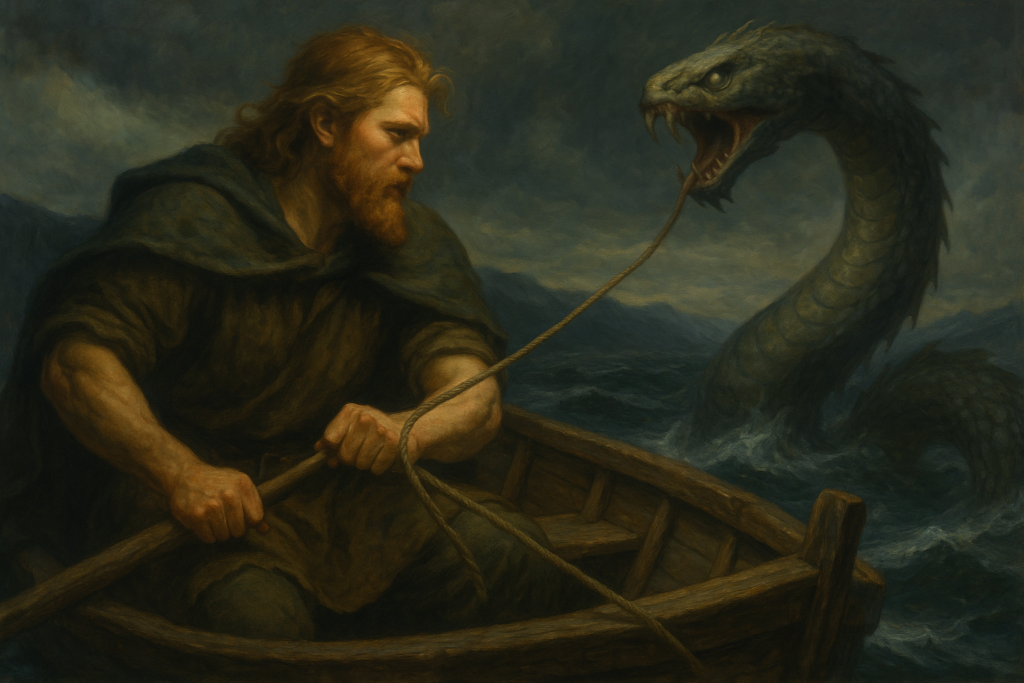
Jörmungandr: The Midgard Serpent that encircles the earth, Jörmungandr is another creature linked to the prophecy of Ragnarok, where he and Thor are fated to confront each other. His name, meaning “giant encircler,” signifies the cyclical nature of time and existence in Norse mythology.
Sleipnir: Odin’s eight-legged horse, Sleipnir is the epitome of speed and strength. His form, which allows him to traverse both land and the spiritual realms, signifies the connection between the physical and metaphysical worlds. The name “Sleipnir” may derive from the Old Norse term for “slippery” or “smooth,” reflecting its agility.
4. Themes and Symbols
Norse mythology is laden with themes and symbols that reveal the values of the Norse people.
Ragnarok: The prophesied end of the world, Ragnarok signifies the cyclical nature of life and death. Its name translates to “fate of the gods,” indicating a significant shift in cosmic order. This term encapsulates the Norse understanding of mortality and the concept that creation and destruction are intertwined.
Valhalla: The grand hall where warriors slain in battle are taken by the Valkyries to feast and prepare for Ragnarok. The term means “hall of the slain” and reflects the Norse values of honor and bravery. Valhalla is not merely a paradise; rather, it serves as a battleground where warriors train for the ultimate confrontation.
Yggdrasil: The World Tree, Yggdrasil, is a central symbol in Norse cosmology, representing interconnectedness and the cycle of life. Its name can be translated to “Ygg’s horse,” with “Ygg” often interpreted as an epithet of Odin. Yggdrasil’s roots and branches extend into all realms, symbolizing the unity of existence.
Conclusion
The language of Norse mythology is more than just a collection of terms; it is the key to understanding the intricate beliefs and values of an ancient civilization. The lexicon reflects a world where gods, humans, and nature intertwine, revealing insights into the human condition and our relationship with the cosmos. As we explore these terms and their meanings, we gain access to the rich tapestry of Norse mythology—a legacy that continues to inspire and resonate in modern culture. Whether through literature, film, or art, the myths and their language remain vital, reminding us of the enduring power of storytelling in shaping our understanding of existence.