Norse Mythology: An Enduring Legacy

Introduction
Norse mythology, with its rich tapestry of gods, goddesses, and legendary creatures, has fascinated humanity for centuries. Originating from the Scandinavian region, these ancient beliefs and stories echo through modern culture, literature, and even popular media. As we delve into this mystical world, we uncover not only the stories themselves but also the profound lessons they impart, which continue to resonate in today’s society.
Origins of Norse Mythology
Norse mythology is fundamentally rooted in the northern European traditions of the Vikings and early Scandinavians. Much of what we know about these myths comes from two principal sources: the Poetic Edda and the Prose Edda, compiled in the 13th century. Both texts provide essential insights into the pantheon of gods, cosmology, and the rituals practiced by Norse communities.
The mythological narratives are steeped in a worldview that perceives the cosmos as a series of interconnected realms. At the center of this universe lies Yggdrasil, the World Tree, a colossal ash tree that connects the nine realms, including Asgard (home of the gods), Midgard (home of humanity), and Hel (the realm of the dead). This cosmological structure illustrates not just the physical aspects of existence but also the spiritual and moral landscapes that guided the Norse people.
The Pantheon of Gods
Central to Norse mythology is its pantheon of deities, each embodying various aspects of life and nature. The most notable deities include:
-
Odin: The Allfather, associated with wisdom, healing, and death. Odin is a complex figure, often depicted as a wanderer, constantly seeking knowledge, even at great personal cost.
-
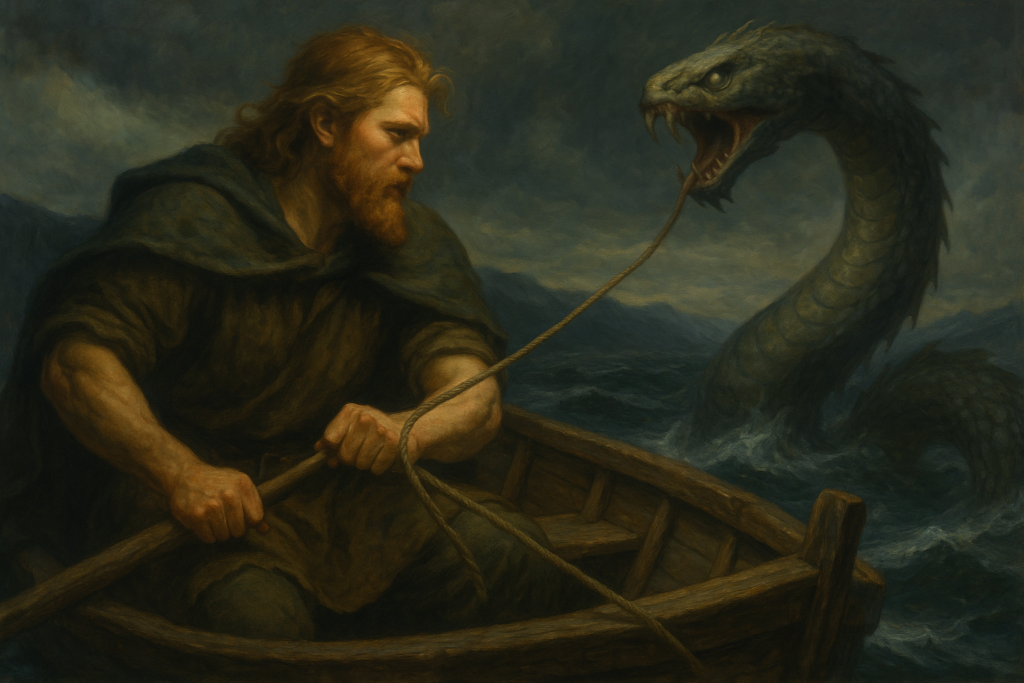
Thor: The thunder god, revered for his strength and protection of humanity. With his mighty hammer, Mjölnir, Thor combats chaos and represents the warrior spirit of the Norse people.
-
Freya: The goddess of love, beauty, and war. Freya embodies both the nurturing aspects of femininity and the fierce, independent spirit of the warrior.
-
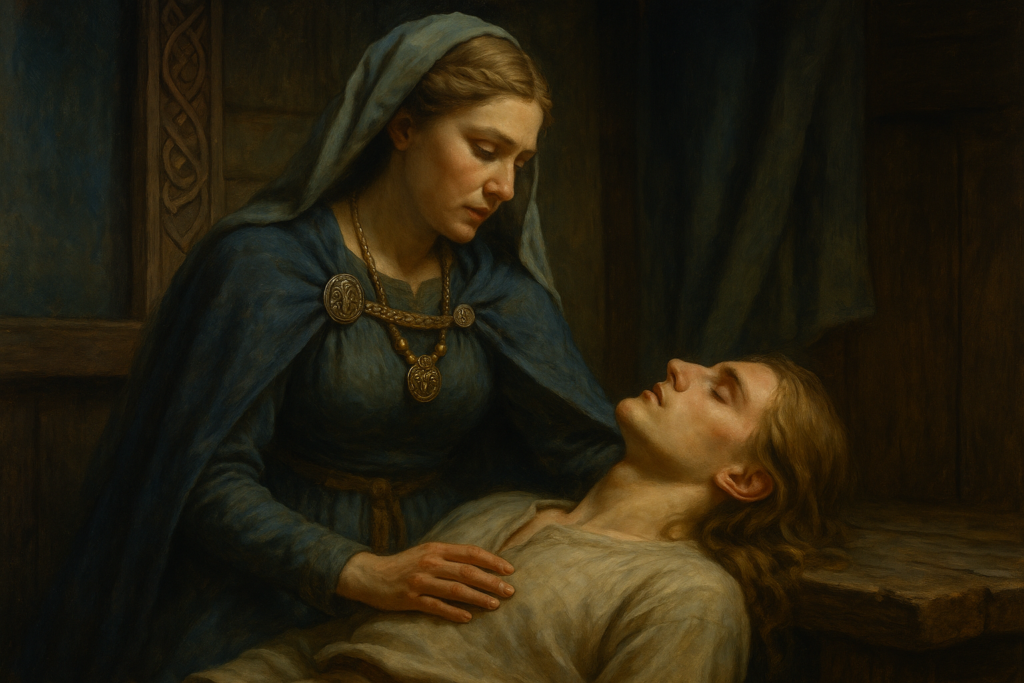
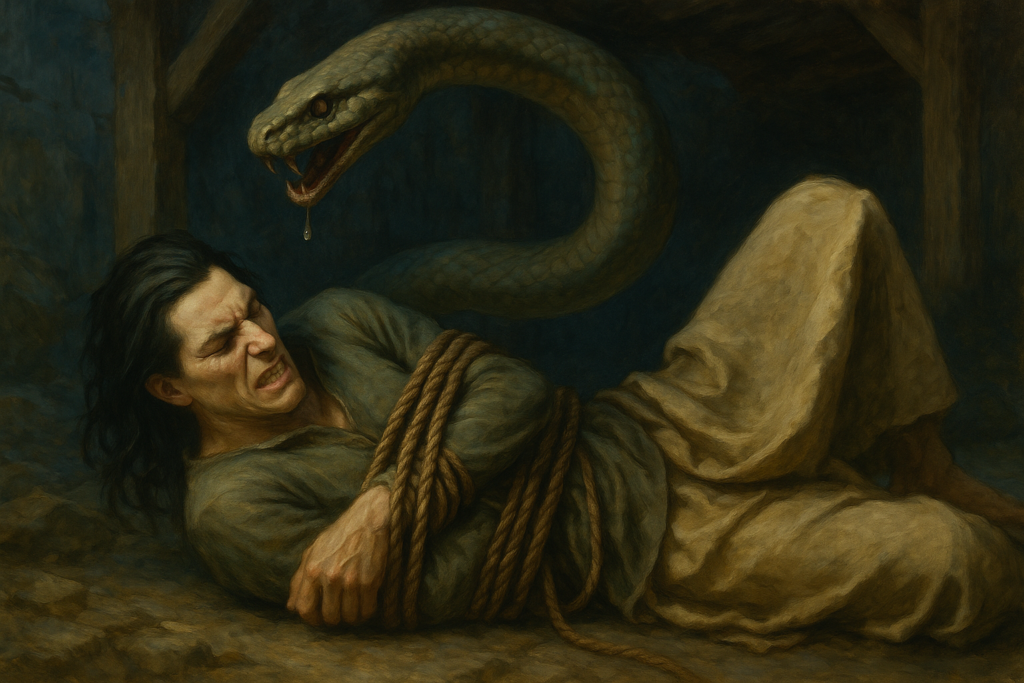
Loki: The trickster god, known for his cunning and mischief. Loki’s character adds depth to the narratives, challenging the status quo and introducing themes of chaos and uncertainty.
These figures not only personify various facets of existence but also reflect the values, beliefs, and societal structures of the Norse people. Their stories often serve as morality tales, demonstrating the consequences of hubris, the importance of bravery, and the complexity of human emotions.
The Creation and Destruction Myths
Norse mythology is rich with creation and destruction narratives, encapsulated in tales of Ragnarok—the end of the world. According to myth, the cosmos began with the void of Ginnungagap, from which the first beings emerged. The interaction between fire (Muspell) and ice (Niflheim) led to the birth of Ymir, the primordial giant, whose death gave rise to the Norse cosmos.
Ragnarok signifies not only the destruction of the world but the cyclical nature of existence. It foretells a great battle where gods and giants clash, leading to the death of several key figures, including Odin and Thor. However, this apocalyptic vision is not merely about doom; it brings forth renewal and rebirth. After the chaos, a new world arises, emphasizing the Norse belief in the cyclical nature of life.
Symbolism and Themes
Norse mythology is rich in symbolism, reflecting the values and concerns of the Viking Age. Themes of fate and destiny are prevalent, represented by the Norns, three sisters who weave the destinies of gods and men alike. This idea that one’s path is predetermined speaks to a worldview that recognizes the balance between free will and fate, an enduring concern across cultures.
Another prominent theme is the duality of creation and destruction. Many deities embody contradictory aspects; for instance, Freya’s love represents creation, while Loki’s actions often lead to discord. This complexity mirrors the human experience, reinforcing the notion that life encompasses both beauty and chaos.
Influence on Modern Culture
Norse mythology has left an indelible mark on contemporary literature, film, and art. The resurgence of interest in these ancient tales can be seen in modern adaptations, including Marvel’s cinematic universe, where Thor and Loki have become household names. However, these portrayals, while entertaining, often simplify the nuanced characters and themes found in traditional myths.
Literature too has been deeply influenced by Norse mythology. Writers such as J.R.R. Tolkien and Neil Gaiman have drawn from these ancient tales to craft their own narratives. Tolkien’s Middle-earth, with its complex histories and languages, resonates with the depth of Norse cosmology, while Gaiman’s “Norse Mythology” brings these ancient stories to a new audience, illuminating their timeless relevance.
Moreover, the resurgence of Norse paganism in modern spiritual practices showcases the enduring legacy of these ancient beliefs. Many individuals find solace and guidance in the teachings of Norse mythology, emphasizing personal responsibility, respect for nature, and community.
Conclusion
Norse mythology, with its complex pantheon and profound themes, offers more than mere entertainment; it reflects the human experience and the quest for meaning within life’s chaos. From the legendary tales of gods and giants to the moral lessons woven into the fabric of their narratives, these ancient traditions continue to inspire modern culture. As we engage with these stories, we acknowledge not only the northern European past but also the universal truths that resonate across time and space. The legacy of Norse mythology is enduring, reminding us of the power of storytelling and the timeless quest for understanding amidst the grand cosmic tapestry.