Nature and Environment in Norse Cosmology
Nature and Environment in Norse Cosmology
Norse cosmology, rooted in ancient Scandinavian beliefs, presents a rich tapestry of interwoven narratives, symbolisms, and relationships that illustrate the deep connection between the natural world and the mythic dimensions of existence. The Norse worldview is characterized by its complexity, featuring a multilevel universe filled with various realms, each governed by its unique laws, deities, and beings. This article delves into the representation of nature and the environment within this cosmology, exploring how the ancients understood their surroundings and the spiritual significance attributed to various elements of the natural world.
The Cosmological Framework
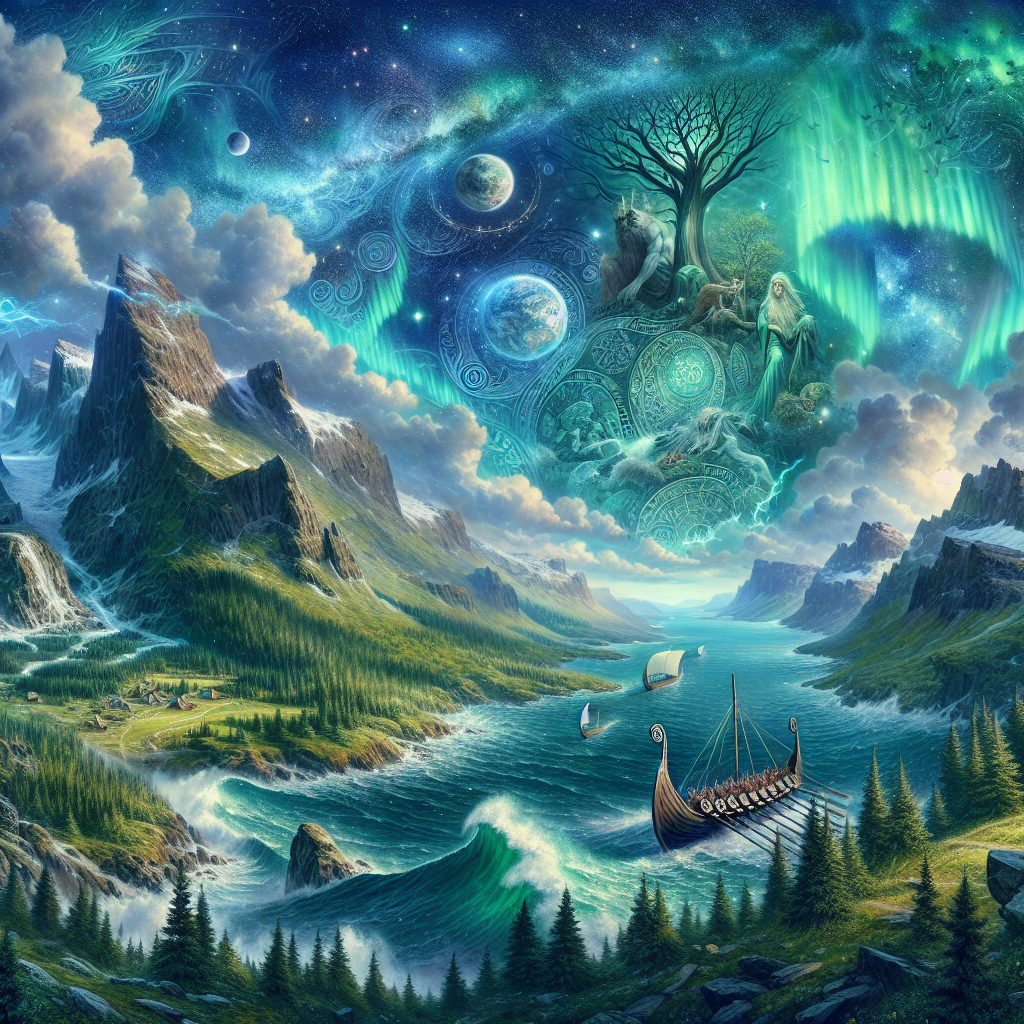
At the core of Norse cosmology is Yggdrasil, the World Tree. This immense, mythical ash tree is not merely a symbol of life; it connects the nine realms of existence, acting as a hub of interrelations among gods, giants, elves, and humans. Each branch and root of Yggdrasil reaches into different realms, highlighting the interconnectedness of all beings in the cosmos. The tree’s vitality reflects the health of the environment, with water from the Well of Urd nourishing its roots, symbolizing how nature sustains all forms of life.
The realms associated with the Norse cosmology include Asgard (home of the gods), Midgard (the realm of humans), Jotunheim (land of the giants), and several others. Each realm embodies specific environmental characteristics that emphasize the diversity and complexity of nature. For instance, Jotunheim is often depicted as a raw and violent land, representative of untamed nature, while Asgard is a realm of order, beauty, and divine creation.
Elements of Nature
Earth
In Norse myth, the Earth is personified as the goddess Jörð, mother of Thor. This understanding of the Earth as a living being emphasizes its sanctity and importance within the Norse belief system. Jörð represents strength, fertility, and nurturing, qualities significant for the people who relied on successful agricultural practices. The connection here goes beyond mere sustenance; it is about a reciprocal relationship where humans honor the earth through rituals and offerings, ensuring that it remains fertile and abundant.
Water
Water plays a crucial role in Norse cosmology, symbolized by various wells and rivers. The Well of Urd, for instance, is central to the functioning of Yggdrasil, where the Norns—female figures of fate—reside. This well is a source of wisdom, life, and fate, reflecting the concept that water is a life-giving force. Rivers, lakes, and oceans in the Norse worldview often serve as boundaries between realms, yet they are also seen as pathways, representing the fluidity and interconnectedness of all life.
Fire
Fire is a double-edged sword in Norse narratives, embodying both destruction and creation. The primordial giant Muspell, representing the fire element, is a dark, chaotic force fundamentally opposed to the cold, orderly realm of Niflheim. Fire in Norse culture also signifies transformation, passion, and energy. The duality of fire is illustrated through the stories of Ragnarok, where the world is consumed in flames, leading to destruction, yet it also paves the way for rebirth.
Animals and Flora
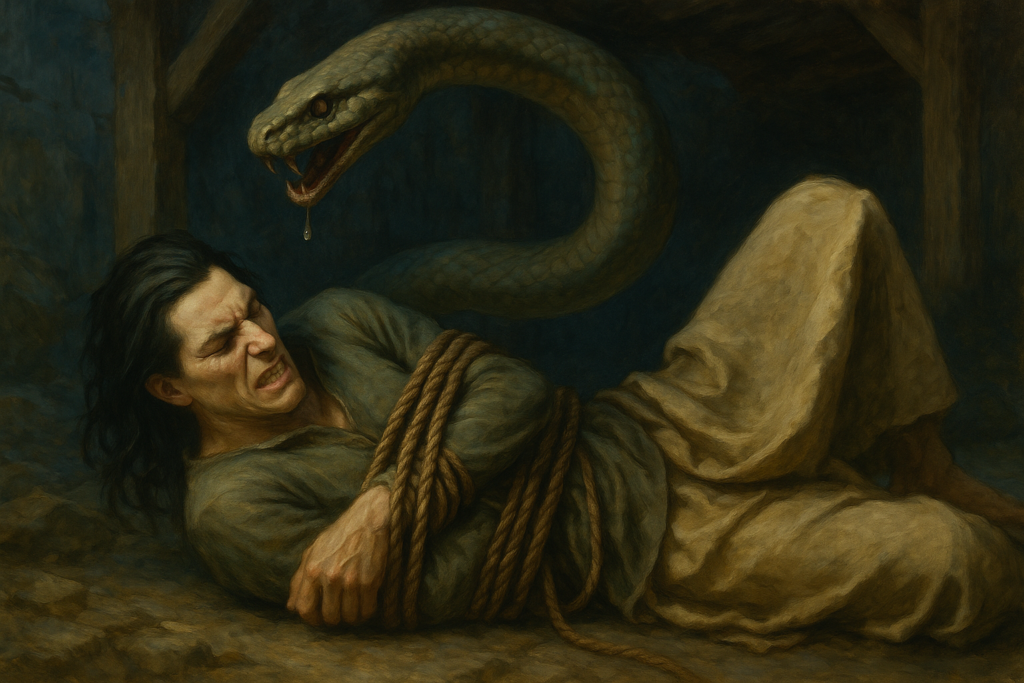
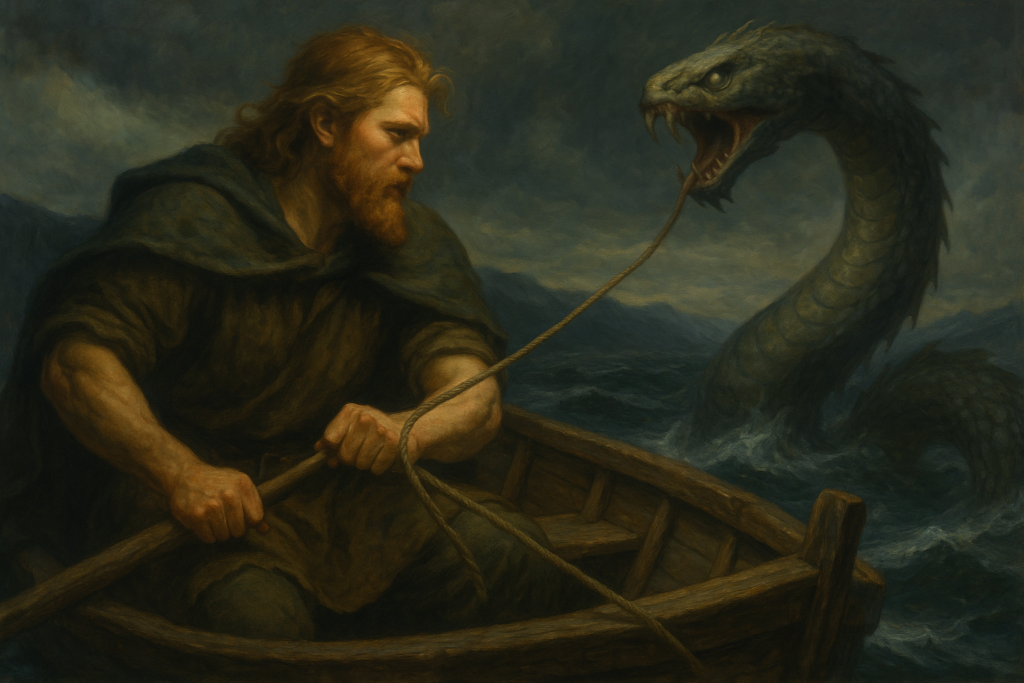
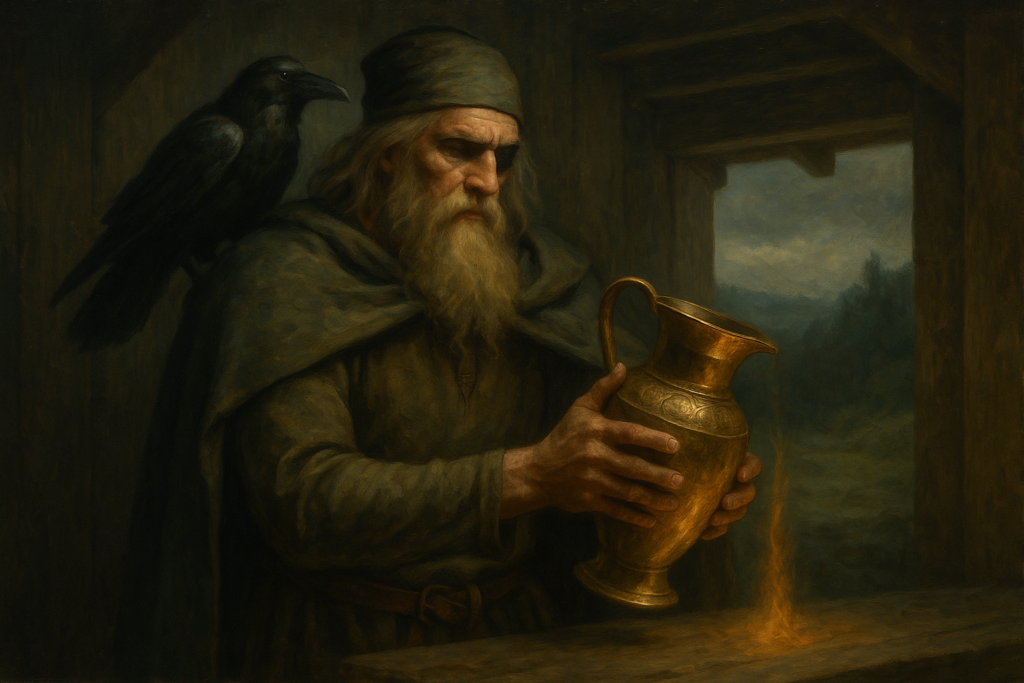
Animals were not merely companions or resources; they were integral to the spiritual and practical aspects of Norse life. The eagle perched upon Yggdrasil symbolizes wisdom, while the serpent Nidhogg represents chaos and decay, gnawing at the roots of the tree. Furthermore, animals were closely associated with various gods; for example, the wolf Fenrir is tied to destruction and chaos, while ravens serve as Odin’s messengers, illustrating the nuances of nature’s creatures in the mythic narrative.
The flora of the Norse realm also holds important symbolism. The meadows and forests represent not just home and sustenance but realms of magic and mystery. Sacred groves were often sites for rituals, connecting the human realm with the divine and showcasing the reverence the Norse held for nature.
Spiritual Significance
Nature in Norse cosmology is more than a backdrop for human activities; it represents the divine order and intricate balance within the cosmos. The changing of the seasons, for example, reflects the cycles of life, death, and rebirth. The Norse people developed a keen awareness of their environment, understanding that their survival depended on maintaining harmony with nature’s rhythms.
Rituals and ceremonies often revolved around the seasons, celebrating the harvest, winter solstice, or the return of spring. Such practices underscore the significance of cycles in Norse culture—nature is viewed as a living entity, deserving respect and veneration.
An Ethical Framework
Beyond their mythic understanding, the Norse people had a practical relationship with the environment. Their survival was tied to the land, and profound respect for natural resources dictated their interactions. There was an ethical framework that emphasized the importance of stewardship of nature, signifying that actions taken against it had broader cosmological implications.
This sense of ethics is echoed in modern ecological discussions regarding sustainability and the interconnectedness of life. The focus on reciprocity in Norse beliefs serves as an important reminder of the need to live in harmony with our environment, respecting the delicate balance of ecosystems.
Conclusion
Norse cosmology provides a rich, intricate understanding of nature and the environment, reflecting a worldview in which every element of existence is connected. The relationships between gods, humans, and the natural world emphasize a profound respect for the earth and its resources, illustrating that the plight of one directly influences the others.
As contemporary society faces numerous environmental challenges, revisiting these ancient beliefs can offer valuable insights into fostering a more sustainable relationship with nature. The themes of interconnectedness, respect, and reciprocity remain as relevant as ever, urging us to reconnect with the spiritual and ethical dimensions of our environment. In doing so, we can honor not only the legacy of our ancestors but also the very essence of life that binds us all.