Understanding the Labyrinth: Symbolism in Greek Myths

The labyrinth, a complex and intricate structure, has intrigued and inspired cultures around the world for millennia. Its representation in Greek mythology, particularly through the story of the Minotaur within the labyrinth of Crete, serves as a profound symbol of various themes, including identity, the duality of human nature, and the journey towards self-discovery.
Origins of the Labyrinth
The most renowned labyrinth of Greek mythology was designed by Daedalus, a master craftsman and inventor. Commissioned by King Minos of Crete, the labyrinth was intended to confine the Minotaur—a monstrous being that was half-man, half-bull. The myth recounts how the Minotaur was born from a union between Pasiphaë, the wife of Minos, and a bull sent by Poseidon. Minos, embarrassed by the creature and desperate to conceal it, instructed Daedalus to construct a maze that was so complicated that anyone would be lost within it.
The labyrinth itself represents the complexity of the human condition. Just as Theseus navigated the winding corridors of the labyrinth, so too do individuals navigate the complexities of their thoughts, emotions, and identities. The labyrinth can be seen as a metaphor for the challenges and tribulations we face in life, compelling us to face our fears and uncertainties in order to emerge victorious.
The Labyrinth as a Symbol of Choice and Agency
In the myth, Theseus volunteers to enter the labyrinth to confront the Minotaur, embodying the theme of choice and agency. His journey symbolizes the courage to confront one’s fears and the active role individuals must take in shaping their destinies. The act of entering the labyrinth reflects a decision to engage with life’s challenges, embracing uncertainty while pursuing personal growth.
Upon entering the labyrinth, Theseus is armed with a ball of thread provided by Ariadne, which he uses to navigate the intricate structure. This thread serves as a crucial symbol—representing guidance, support, and the connections we forge with others as we navigate life’s complexities. Ariadne’s gift highlights the importance of relationships; they help us find our way in times of confusion and uncertainty. The labyrinth is not merely a physical space but a representation of the emotional and psychological mazes individuals encounter.
The Minotaur: Duality and the Inner Conflict
At the heart of the labyrinth resides the Minotaur, a creature that can be interpreted as a symbol of the duality within human nature. The Minotaur embodies the wild, primal instincts that exist within every individual—the darker aspects of desire, rage, and violence. This duality reflects the conflict between civilization and savagery, order and chaos, reason and instinct.
Theseus’ confrontation with the Minotaur signifies not only a battle against a physical foe but also an internal struggle against the darker elements of oneself. In confronting the Minotaur, Theseus symbolizes the quest for self-mastery. The act of slaying the beast is an allegory for overcoming personal demons, the parts of ourselves that we may wish to suppress or ignore. The labyrinth, then, becomes a space for transformation, allowing Theseus—and by extension, humanity—to reconcile with their inner complexities.
Navigating the Labyrinth: A Journey of Transformation
The journey through the labyrinth can also be interpreted as a rite of passage—a journey that leads to transformation. Upon exiting the labyrinth, Theseus does not simply return unchanged; rather, he emerges as a hero, having faced fatal trials and gained wisdom. This transformation through struggle resonates with the concept of the hero’s journey, a narrative template found in myths across cultures.
In contemporary contexts, this symbolism remains relevant. Many individuals find themselves navigating complex “labyrinths” in their lives, be it in personal relationships, career paths, or emotional challenges. The experience of venturing into the unknown, confronting fears, and ultimately emerging transformed encapsulates the essence of human experience. The labyrinth invites introspection, challenging us to consider the paths we choose and the meaning behind them.
The Labyrinth as a Metaphor for Society and Culture
Beyond personal transformation, the labyrinth can also symbolize societal structures and cultural complexities. In ancient Greece, the labyrinth represented the intricate political, social, and ethical dilemmas faced by society. The Minotaur can be viewed as a metaphor for the consequences of societal issues—despair, violence, and moral ambiguity. Just as Theseus had to confront the Minotaur to restore order to Crete, societies must confront their own challenges to achieve progress and cohesion.
In modern times, this labyrinthine structure mirrors the complexities inherent in contemporary life. The “labyrinth” of societal expectations, norms, and challenges can be daunting to navigate. Such encounters encourage individuals and communities to reflect on their values and choices, ultimately striving for collective growth and understanding.
Conclusion: The Timelessness of the Labyrinth’s Symbolism
The labyrinth, as depicted in Greek mythology, serves as a multifaceted symbol that resonates across ages and cultures. It encapsulates themes of choice, agency, duality, transformation, and societal complexities. As individuals, we are all on our journey through our own labyrinths, confronting fears, navigating relationships, and striving for self-discovery.
The lessons drawn from the myth of Theseus, Ariadne, and the Minotaur remind us that while the path may be fraught with challenges, it is ultimately a journey worth undertaking. By facing the labyrinths of our lives, we cultivate resilience, gain wisdom, and emerge not only as survivors, but as individuals transformed—ready to face the world anew. The labyrinth, therefore, remains not just a structure of lost paths but a powerful metaphor for the human experience, timeless in its relevance and profound in its symbolism.
Recommended reading
These are affiliate links. If you buy through them, we may earn a commission at no extra cost to you.
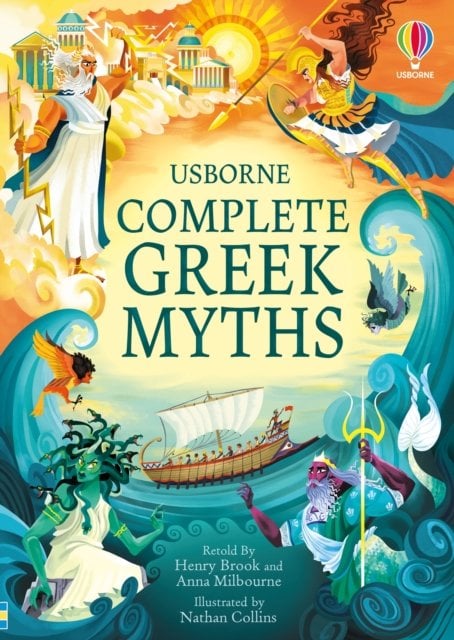
Complete Greek Myths: An Illustrated Book of Greek Myths
Featuring detailed retellings, beautiful character illustrations, and cultural background, this comprehensive volume brings the best-known and obscure Greek myths to life for readers of all ages. Complete with maps, a glossary, and a QR code for pronunciation guides and extra resources, it is an essential addition to any family bookshelf.
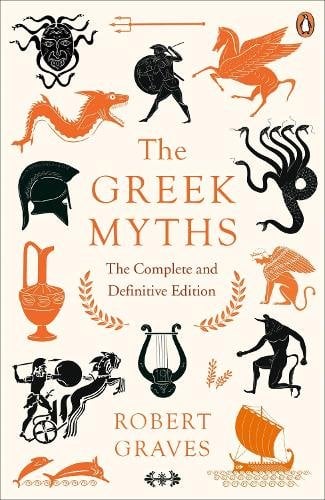
The Greek Myths: The Complete and Definitive Edition
Robert Graves’s definitive edition weaves the classic Greek myths, from the Labours of Hercules to the Trojan War, into one sweeping, authoritative narrative. Perfect for both first-time readers and classicists, this comprehensive volume combines engaging storytelling with detailed scholarly commentary and a complete index of names.
The Odyssey
Homer’s timeless epic The Odyssey follows the hero Odysseus on a perilous decade-long journey home from Troy, facing mythical monsters and divine wrath. Meanwhile, his wife Penelope and son Telemachus defend their kingdom against ruthless suitors in this classic tale of loyalty and endurance.