The Role of Myths in Ancient Greek Religion
The Role of Myths in Ancient Greek Religion
Introduction
Myths are essential to understanding the fabric of ancient Greek religion. They serve not only as stories that entertained but also as foundational narratives that shaped the beliefs, values, and practices of Greek society. Greek mythology provides a rich tapestry of tales involving gods, heroes, and the cosmos, illustrating the Greeks’ understanding of the world around them. This article explores the intricate relationship between myths and various aspects of ancient Greek religion, emphasizing their functions in shaping identity, moral values, cosmology, and religious rituals.
Myths as Explanatory Frameworks
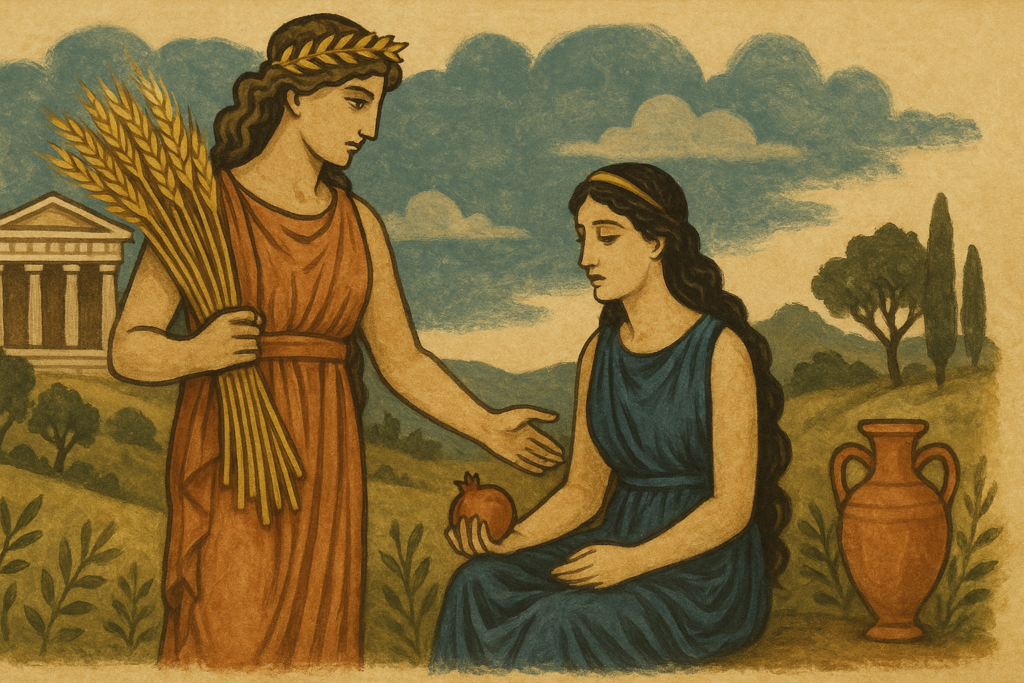
One of the most important functions of myths in ancient Greek religion was to provide explanations for natural phenomena and human experiences. Myths often depicted gods interacting with the human world, serving as allegories for natural forces. For example, the myth of Demeter and Persephone explains the changing seasons: Persephone’s descent into the underworld brings winter, while her return signifies spring. Such narratives allowed the ancient Greeks to make sense of the cyclical nature of life and death, planting seeds of agricultural understanding within a religious framework.
These myths functioned not only as theological concepts but also as useful lessons in human behavior and the morals underlying everyday decisions. They illustrated the consequences of hubris, loyalty, and betrayal, often exemplified through characters like Icarus, who suffered for his hubris in flying too close to the sun. Such cautionary tales reinforced societal norms and values, guiding individuals in their interactions with family, community, and the divine.
The Role of Myths in Cultural Identity
Mythology played a significant role in fostering a sense of cultural identity among the diverse city-states of ancient Greece. Each polis had its own patron deity and local myths, which contributed to a collective sense of belonging and identity. For instance, Athena was at the heart of Athens’ mythology, symbolizing wisdom and warfare, while the people of Corinth honored Poseidon. These local deities were associated with particular attributes, influencing the character and values of their cities.
Panhellenic myths, such as the stories of the Trojan War or the Argonauts, provided a broader sense of shared heritage. The epic poems of Homer—The Iliad and The Odyssey—not only served as entertainment but also reinforced a common Greek identity. These stories acted as a cultural glue, uniting diverse regional loyalties under a shared narrative and establishing the roots of Greek nationalism.
Myths and Religious Rituals
Religious rituals in ancient Greece were deeply intertwined with mythology. Myths provided the narratives that underpinned the various religious ceremonies, festivals, and sacrifices conducted in honor of the gods. The Eleusinian Mysteries, dedicated to Demeter and Persephone, exemplify this relationship. The rites involved a reenactment of the myth, allowing participants to experience the story and mythically connect with the divine.
Public festivals like the Panathenaea honored Athena through athletic and artistic competitions, emphasizing her role in the cultural identity of Athens as well as its religious life. These festivals, steeped in mythology, offered communal opportunities for cities to express devotion and cultivate civic pride. Myths thus acted as both a backdrop and an impetus for the performance of religious practices, reinforcing cultural values while encouraging social cohesion.
Teaching and Moral Instruction Through Myths
Ancient Greek myths served as a means of imparting moral and ethical lessons. Myths acted as cautionary tales, highlighting virtues such as bravery, loyalty, and humility, while also warning against vices like hubris, avarice, and deceit. For example, the story of Odysseus, who faced numerous challenges on his journey home, embodies the values of perseverance and cleverness. His cunning in outwitting the Cyclops reminds readers of the importance of wisdom alongside physical strength.
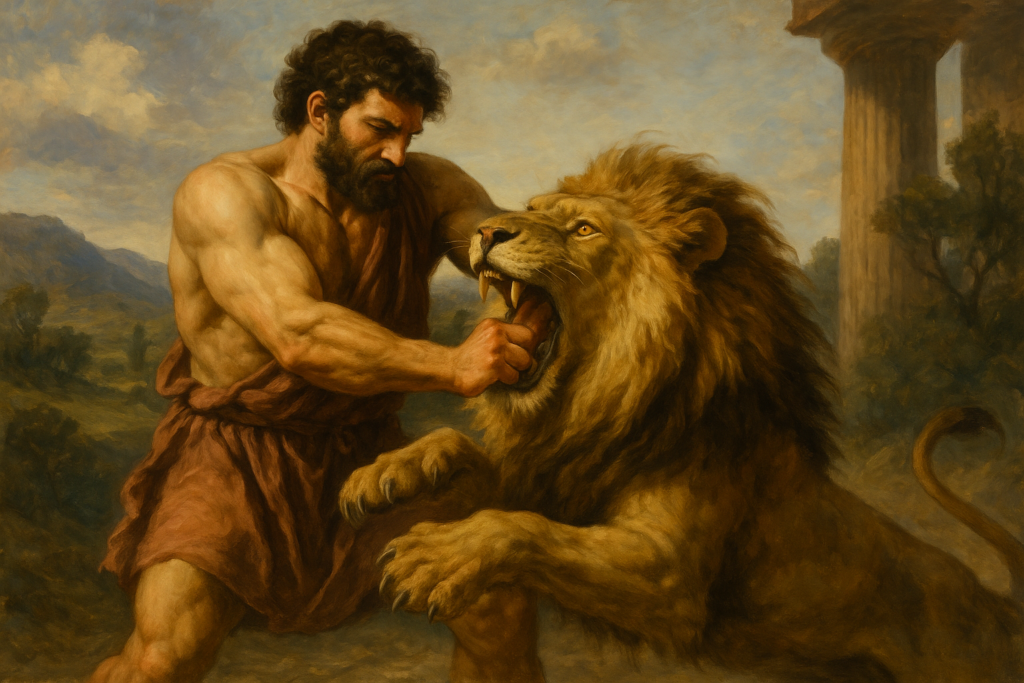
Additionally, the myths surrounding figures like Hercules, with his twelve labors, illustrate themes of redemption and the pursuit of greatness despite flaws. Through the narratives surrounding these heroic figures, the Greeks learned essential life lessons that were woven into their collective consciousness, shaping their ethical framework.
The Humanization of Gods
Central to the Greek mythology is the portrayal of gods as anthropomorphic beings with human emotions and characteristics. This humanization created a relatable divine world that resonated with the people, showcasing gods who loved, struggled, and sometimes faltered. Zeus, with all his power, exhibited jealousy and infidelity, while Athena represented strategic wisdom but also engaged in conflicts.
This approach allowed devotees to engage with their deities in personal ways. The relatable nature of the gods fostered both reverence and a sense of accessibility. People turned to these gods not only for worship but also for guidance through life’s trials. The myths served as a relational framework, in which individuals could seek favor, forgiveness, and understanding from the capricious forces they believed influenced their lives.
Conclusion
Myths were the backbone of ancient Greek religion, intertwining social values, cultural identity, moral lessons, and religious practices. By serving as explanatory frameworks for natural phenomena and human conditions, providing a shared narrative for city-states, and shaping the ritualistic practices that connected individuals with the divine, myths fostered a complex relationship with religion and the world. They allowed the ancient Greeks to navigate the uncertainties of life, while also providing cultural cohesion that persists in various forms to this day. The enduring legacy of Greek mythology continues to influence contemporary literature, art, and philosophy, reminding us of the fundamental human quest for meaning and understanding through the stories we share.
Recommended reading
These are affiliate links. If you buy through them, we may earn a commission at no extra cost to you.
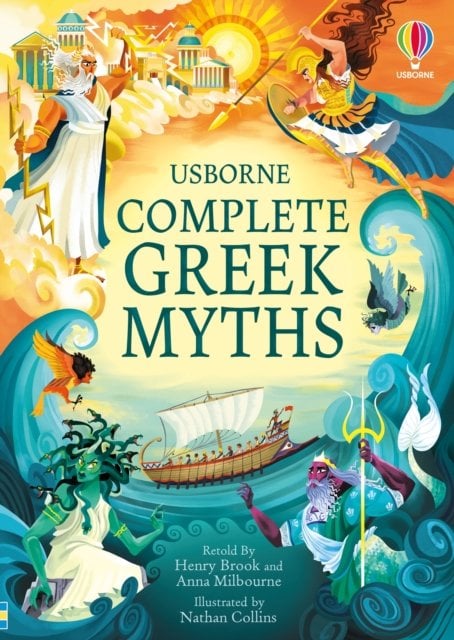
Complete Greek Myths: An Illustrated Book of Greek Myths
Featuring detailed retellings, beautiful character illustrations, and cultural background, this comprehensive volume brings the best-known and obscure Greek myths to life for readers of all ages. Complete with maps, a glossary, and a QR code for pronunciation guides and extra resources, it is an essential addition to any family bookshelf.
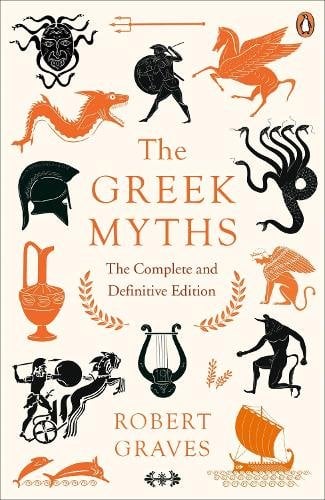
The Greek Myths: The Complete and Definitive Edition
Robert Graves’s definitive edition weaves the classic Greek myths, from the Labours of Hercules to the Trojan War, into one sweeping, authoritative narrative. Perfect for both first-time readers and classicists, this comprehensive volume combines engaging storytelling with detailed scholarly commentary and a complete index of names.
The Odyssey
Homer’s timeless epic The Odyssey follows the hero Odysseus on a perilous decade-long journey home from Troy, facing mythical monsters and divine wrath. Meanwhile, his wife Penelope and son Telemachus defend their kingdom against ruthless suitors in this classic tale of loyalty and endurance.