The Afterlife in Greek Mythology: Heaven and Hell Explored
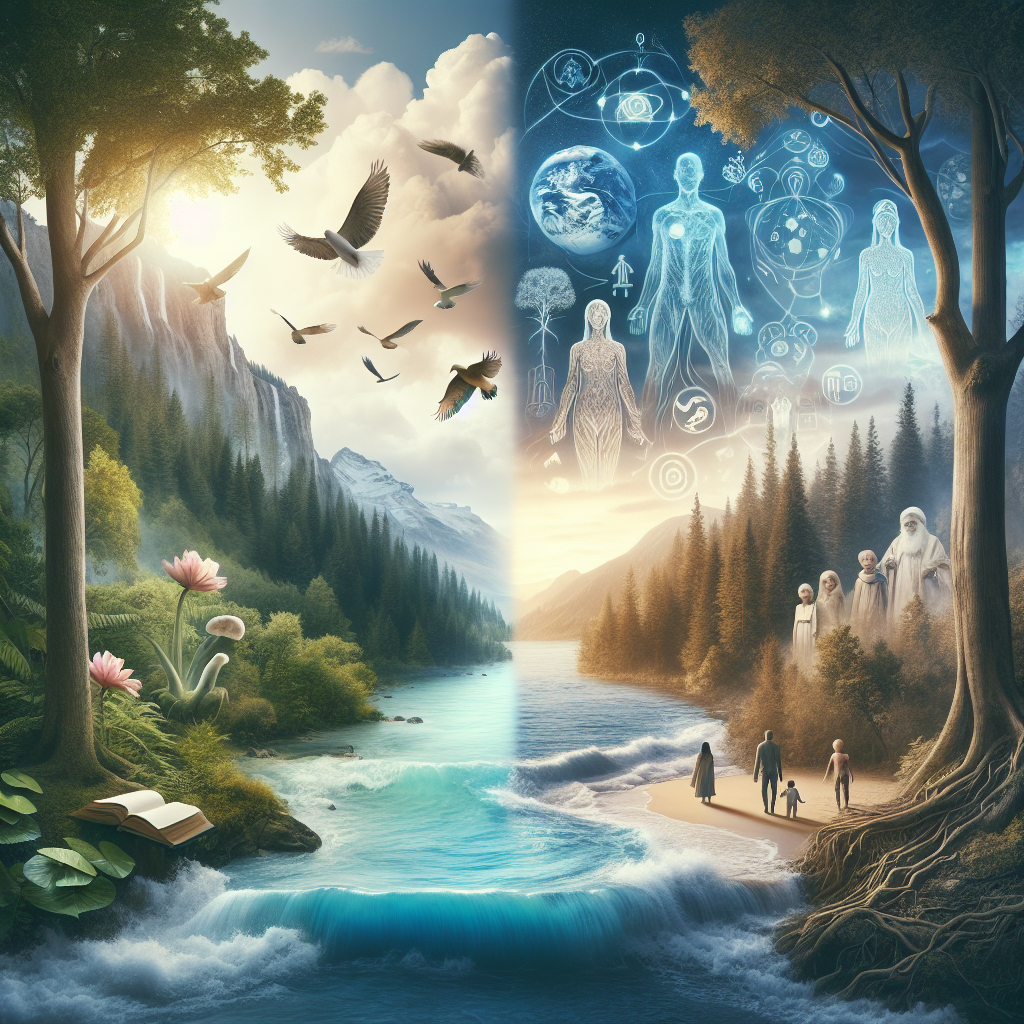
Greek mythology, one of the most intricate and compelling mythological traditions, offers rich insights into the beliefs and values of ancient Greek society. Central to these beliefs is the concept of the afterlife, which encompasses varying realms, including the rewarding fields of Elysium and the punishing depths of Tartarus. This article aims to explore the complex landscape of the afterlife in Greek mythology, focusing on the dichotomy of heaven and hell as understood by the ancient Greeks.
The Underworld: A Fundamental Concept
At the heart of the Greek understanding of the afterlife lies the Underworld, or Hades, named after its ruler. The Underworld is not strictly a place of punishment or reward; rather, it is where all souls journey after death. The ancient Greeks believed that life did not end with death; instead, the soul continued its existence in a different realm. This belief served to reinforce moral conduct, as one’s actions in life could determine the kind of afterlife one would face.
The Three Judges
Upon arriving in the Underworld, souls would encounter appointed judges: Minos, Rhadamanthus, and Aiakos. These figures evaluated the life deeds of the deceased and determined their fate. This tribunal system introduced a level of moral accountability, as individuals could be rewarded or punished based on their earthly lives, thus reinforcing societal norms and expectations.
Elysium: The Heavenly Realm
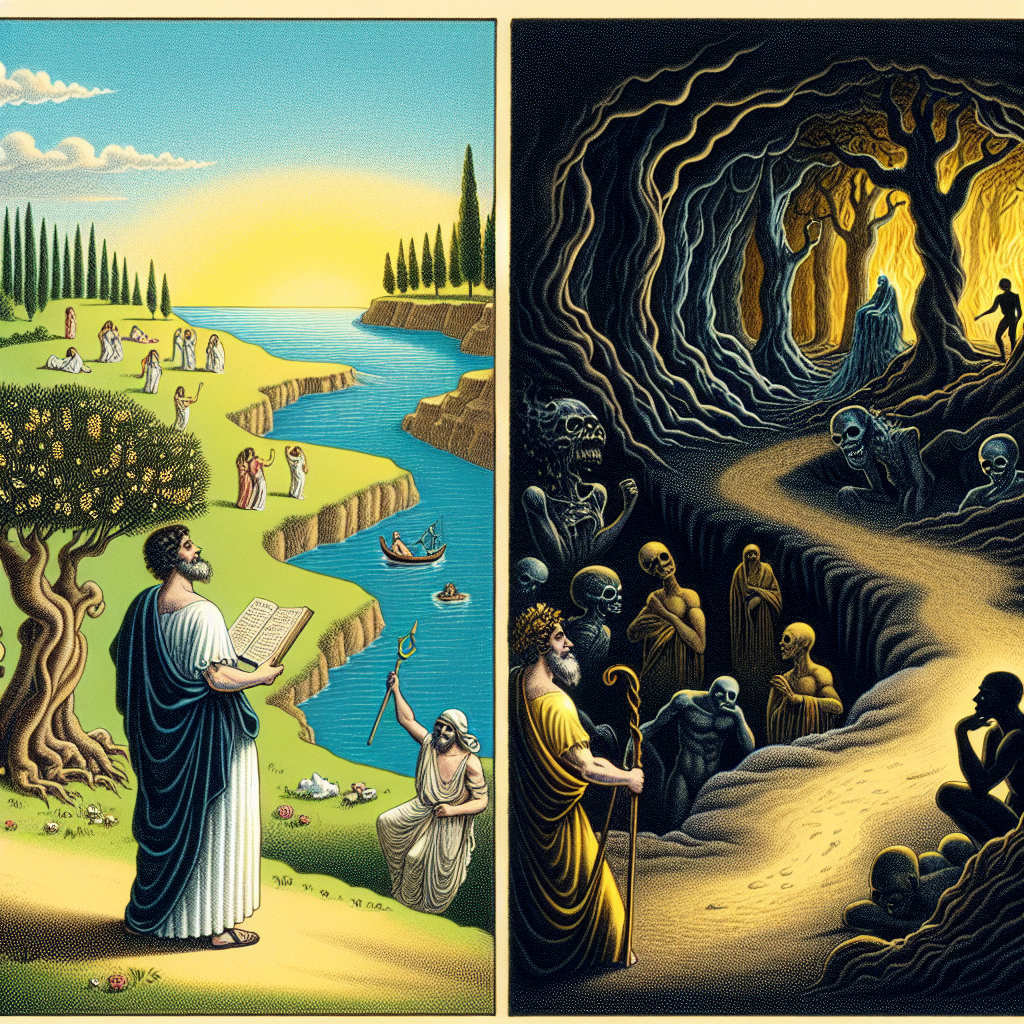
Contrasting sharply with the more troubled aspects of the Underworld is Elysium, often referred to as the Elysian Fields. This paradisiacal realm is where the virtuous, heroes, and those favored by the gods reside after death. Elysium is depicted as a blissful place characterized by eternal spring, where souls engage in joyful pursuits, free from pain and suffering.
The Criteria for Entry
Not everyone could enter Elysium; it was reserved for the morally exemplary and those who had received the blessings of the gods. Heroes such as Achilles and Odysseus found their place among the elite, while others were judged based on their virtue and deeds. Some myths suggest that one could also gain entry through extraordinary feats or divine favor, emphasizing the importance of personal merit.
Symbolism and Significance
Elysium represents the ideal of a just reward, mirroring societal values that prioritize honor, nobility, and righteousness. The concept of Elysium highlighted ancient Greeks’ aspirations for an afterlife that reflected their achievements and moral standings. In this way, Elysium served not just as a destination but as an ideal to strive for in life.
Tartarus: The Punitive Realm
In stark contrast to Elysium is Tartarus, the realm of punishment. Described as a dark and horrifying place located deep within the Underworld, Tartarus is reserved for the souls of the wicked, where they suffer eternal torment. It is here that the most heinous offenders are sent, including notable figures from mythology, such as Sisyphus, who was condemned to roll a boulder up a hill for eternity, and Tantalus, whose hunger and thirst could never be satiated.
The Function of Tartarus
The existence of Tartarus plays a crucial role in reinforcing moral behavior within Greek culture. The notion of consequences for one’s actions in life served to deter wrongdoing and maintain societal order. Moreover, Tartarus encapsulates the ancient Greek belief in justice, whereby each individual’s fate is determined based on their earthly actions.
The Imagery and Mythology
Tartarus is often described as an abyss, surrounded by layers of darkness and populated by terrifying creatures who enforced its grim realities. Its imagery is characterized by horror and despair, providing a stark contrast to the idyllic scenes of Elysium. The myths surrounding Tartarus, characterized by tales of suffering and retribution, served as cautionary tales, alerting people to the perils of immorality.
The River Styx and Limbo
Between the living world and the realms of the afterlife lies the River Styx, which souls must cross to enter Hades. The ferryman Charon is tasked with transporting souls across the Styx, but only if they can pay him with an obolus, a small coin placed in the mouth of the deceased.
The Role of Charon
Charon symbolizes the transition between life and death, acting as a guide for souls navigating the complex afterlife. The requirement of payment underscores the idea of being properly prepared for death, a motif that permeates various cultures.
The Waiting Area: Asphodel Meadows
For souls that do not fit neatly into the categories of either Elysium or Tartarus, there exists a middle ground known as the Asphodel Meadows. This limbo-like area is inhabited by the souls of ordinary individuals, those who lived neither exemplary nor terrible lives. Souls here experience a sense of neutrality, wandering through fields of asphodel flowers, symbolizing forgetfulness and indifference.
Philosophical Perspectives
The afterlife in Greek mythology also adapted philosophical interpretations, particularly in the works of Plato. In “The Republic,” Plato describes a vision of the afterlife that emphasizes the soul’s immortality and the concept that the quality of one’s afterlife is a direct consequence of moral virtue during life. Such philosophical discourse adds layers of depth to the traditional myths, suggesting that the questions surrounding life, morality, and the afterlife were pivotal concerns of Greek thought.
Conclusion
The Greek mythological framework of the afterlife encapsulates a spectrum of beliefs that reflect the complexities of human morality, justice, and the quest for meaning beyond death. With Elysium representing hope and reward for the virtuous, and Tartarus embodying punishment and despair, the ancient Greeks provided narratives that spoke to their values and the consequences of human actions. These stories not only served as cautionary tales but as powerful reflections of the human condition, capturing the timeless struggle between good and evil, virtue and vice, life and death. In examining these beliefs, we gain not only insight into ancient Greek society but also an understanding of universal themes relevant throughout human history.
Recommended reading
These are affiliate links. If you buy through them, we may earn a commission at no extra cost to you.
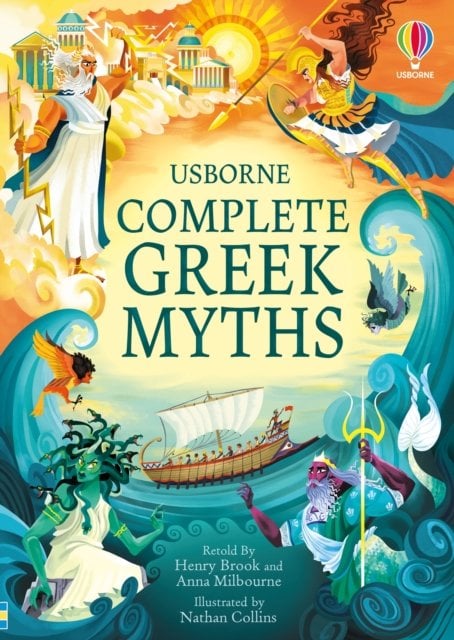
Complete Greek Myths: An Illustrated Book of Greek Myths
Featuring detailed retellings, beautiful character illustrations, and cultural background, this comprehensive volume brings the best-known and obscure Greek myths to life for readers of all ages. Complete with maps, a glossary, and a QR code for pronunciation guides and extra resources, it is an essential addition to any family bookshelf.
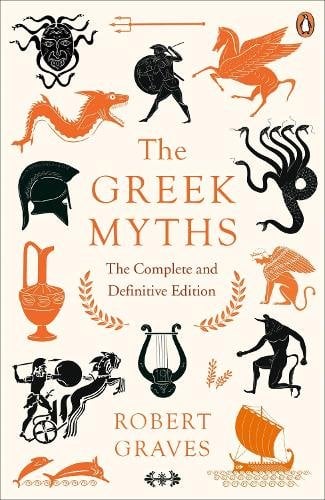
The Greek Myths: The Complete and Definitive Edition
Robert Graves’s definitive edition weaves the classic Greek myths, from the Labours of Hercules to the Trojan War, into one sweeping, authoritative narrative. Perfect for both first-time readers and classicists, this comprehensive volume combines engaging storytelling with detailed scholarly commentary and a complete index of names.
The Odyssey
Homer’s timeless epic The Odyssey follows the hero Odysseus on a perilous decade-long journey home from Troy, facing mythical monsters and divine wrath. Meanwhile, his wife Penelope and son Telemachus defend their kingdom against ruthless suitors in this classic tale of loyalty and endurance.