The Myths Surrounding Asclepius: God of Healing
The Myths Surrounding Asclepius: God of Healing
In the pantheon of Greek mythology, few figures are as influential or as enigmatic as Asclepius, the god of healing. Revered for his miraculous cures and profound understanding of medicine, Asclepius has sparked a plethora of myths that offer insight into ancient healing practices, perceptions of health, and even the nature of divinity itself. This article aims to explore the various myths surrounding Asclepius, his origins, his significance in ancient culture, and the legacy he left behind.
Origins and Birth
Asclepius is often said to be the son of Apollo, the god of light, music, and prophecy, and Coronis, a mortal woman. According to myth, Coronis, while pregnant with Asclepius, was unfaithful to Apollo. In a fit of rage, Apollo had her killed, but as she lay dying, he saved the unborn Asclepius by cutting him from her womb. This dramatic entrance into the world marked Asclepius as a special figure, born of divine lineage but still closely tied to humanity.
This narrative reflects a central theme in Greek mythology: the intersection of the divine and the mortal. Asclepius’s dual heritage instills in him a unique capability: he understands the human condition intimately while wielding divine powers. This complex identity lays the groundwork for his role as a healer and guide.
The Training of Asclepius
Asclepius’s mythological journey is not just about his origins; it also highlights his extensive training in the art of healing. After being saved by Apollo, he was entrusted to Chiron, the centaur known for his wisdom and medicinal skills. Chiron taught Asclepius various healing techniques, herbal remedies, and even surgical practices. This apprenticeship is pivotal, illustrating not only the importance of knowledge but also the mentor-student relationship that has resonated throughout history in various fields, particularly in medicine.
Asclepius’s commitment to learning reflects the value placed on education in ancient Greek culture. His understanding of the human anatomy and the natural world enabled him to perform miraculous feats, raising questions about the boundaries between divine intervention and human skill.
Powers of Healing
Among the most awe-inspiring myths about Asclepius are those detailing his healing powers. He became so proficient in medicine that he was capable of bringing the dead back to life. One of the most notable stories involves Hippolyte, the son of the hero Heracles, whose life Asclepius restored. This act angered Zeus, who feared that if Asclepius could revive the dead, the natural order of life and death might be disrupted.
In retaliation, Zeus struck Asclepius down with a thunderbolt, a decision that underscores the struggles between gods and mortals and the limitations of even the most skilled practitioners. This conflict emphasizes a crucial lesson: while immense knowledge and skill may grant a semblance of control over life, the ultimate authority rests with the divine.
Temples and Sanctuaries
The stories of Asclepius were not merely confined to mythology; they had real-world implications through his temples and sanctuaries, known as Asclepieia. These healing centers were scattered across ancient Greece, with the most famous located at Epidaurus. Pilgrims traveled from far and wide to seek cures for ailments, often undergoing rituals and offerings to invoke Asclepius’s benevolence.
The healing practices at these sanctuaries were intricate and included not only medicinal treatments by priests but also spiritual and holistic rituals. Patients often engaged in dream interpretation, believed to be a channel through which Asclepius would communicate and guide their healing process. This blend of physical and spiritual healing is reflective of a comprehensive approach to health that is still relevant today.
Symbolism and Iconography
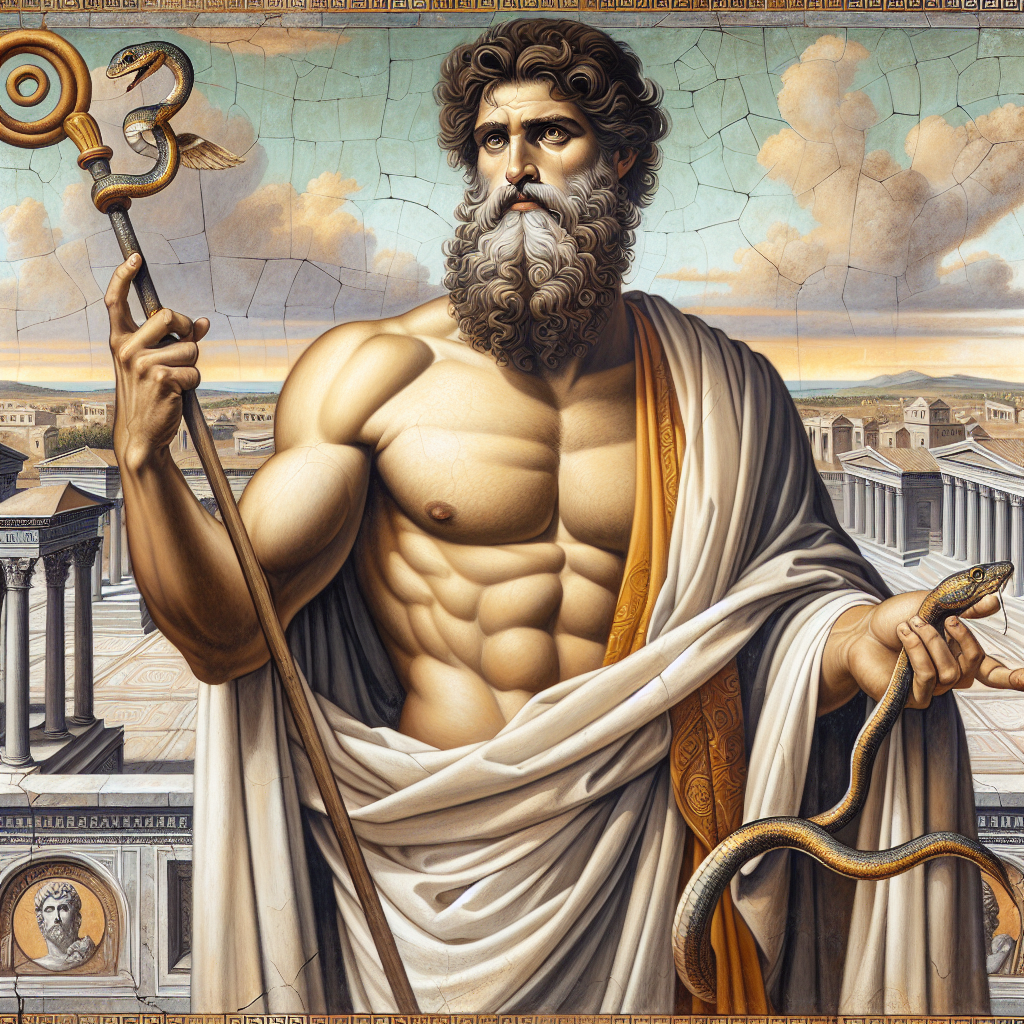
Asclepius is commonly depicted with a staff entwined by a serpent, known as the Rod of Asclepius. This symbol has endured through millennia as a representation of medicine and healing, appearing in the logos of countless medical organizations worldwide. The serpent itself holds rich symbolic meaning in many cultures, representing rebirth and transformation, thus linking it to Asclepius’s healing abilities.
Interestingly, the Rod of Asclepius is often confused with the Caduceus, which features two snakes and is associated with Hermes, the messenger god. This mix-up further complicates the understanding of Asclepius’s legacy, as it blurs the lines between healing and commerce, order and chaos.
Legacy and Influence
The myths of Asclepius extend far beyond ancient Greece. His influence permeated the realms of philosophy, science, and the evolution of medicine. The Hippocratic Oath, originating from the ancient physician Hippocrates, speaks to the ethical considerations of practicing medicine, echoing Asclepius’s ideals of compassion and responsibility toward patients.
The enduring legacy of Asclepius also invites reflections on contemporary health practices. The balance between science, spirituality, and ethics in medicine remains a relevant discourse. While modern medicine has advanced significantly, the holistic approach embodied by Asclepius continues to find relevance in contemporary practices such as integrative and complementary medicine.
Conclusion
The myths surrounding Asclepius, the god of healing, offer profound insights into the ancient understanding of health, mortality, and the divine relationship between gods and humans. Asclepius’s journey from birth to enlightenment, marked by intense training and miraculous feats of healing, weaves a complex narrative that celebrates both the power of knowledge and the limitations inherent in the human condition.
Asclepius remains a powerful symbol of hope and healing, his legacy alive in modern medicine and ongoing discussions about health and well-being. Embracing both the scientific and the spiritual aspects of healing, Asclepius serves as a reminder that in the face of suffering, the quest for understanding and compassion is truly divine.
Recommended reading
These are affiliate links. If you buy through them, we may earn a commission at no extra cost to you.
Complete Greek Myths: An Illustrated Book of Greek Myths
Featuring detailed retellings, beautiful character illustrations, and cultural background, this comprehensive volume brings the best-known and obscure Greek myths to life for readers of all ages. Complete with maps, a glossary, and a QR code for pronunciation guides and extra resources, it is an essential addition to any family bookshelf.
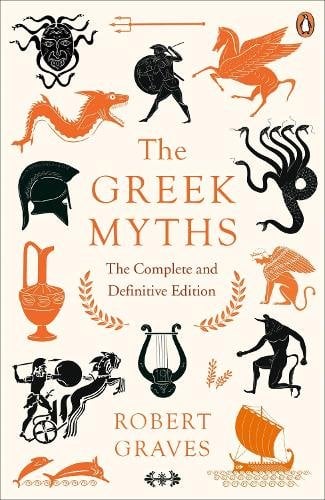
The Greek Myths: The Complete and Definitive Edition
Robert Graves’s definitive edition weaves the classic Greek myths, from the Labours of Hercules to the Trojan War, into one sweeping, authoritative narrative. Perfect for both first-time readers and classicists, this comprehensive volume combines engaging storytelling with detailed scholarly commentary and a complete index of names.
The Odyssey
Homer’s timeless epic The Odyssey follows the hero Odysseus on a perilous decade-long journey home from Troy, facing mythical monsters and divine wrath. Meanwhile, his wife Penelope and son Telemachus defend their kingdom against ruthless suitors in this classic tale of loyalty and endurance.