The Importance of the Hero’s Journey in Greek Stories

The Importance of the Hero’s Journey in Greek Stories
The Hero’s Journey, a concept popularized by Joseph Campbell in his seminal work “The Hero with a Thousand Faces,” outlines a narrative structure that has permeated storytelling across cultures and epochs. In the context of Greek mythology and literature, this archetypal narrative framework offers profound insights into the human experience, moral dilemmas, and the quest for identity. Greek stories not only illustrate the Hero’s Journey but also embed within them rich philosophical lessons and cultural values that resonate to this day.
The Framework of the Hero’s Journey
The Hero’s Journey consists of several stages: Departure, Initiation, and Return. It begins when the hero is called to adventure, faces challenges and temptations, undergoes transformation, and ultimately returns home, enriched and enlightened. Greek myths, such as those of Odysseus, Perseus, and Hercules, fit seamlessly into this structure, showcasing the trials and tribulations that each hero undergoes.
Departure: The Call to Adventure
In Greek stories, the hero often receives a call to adventure that catapults them out of their ordinary world. For instance, Odysseus’s journey begins with the Trojan War, spurred by the desire to retrieve his wife, Penelope. He leaves behind a life of comfort and security, illustrating how the call to adventure tests not only one’s bravery but also the strength of one’s personal relationships.
This departure is not merely a physical journey but symbolizes a departure from ignorance to knowledge. Each hero leaves behind their previous self, embarking on a quest that demands personal growth, moral fortitude, and self-understanding. This theme resonates with audiences, as it encapsulates the universal struggle to evolve amidst external challenges.
Initiation: Trials and Transformation
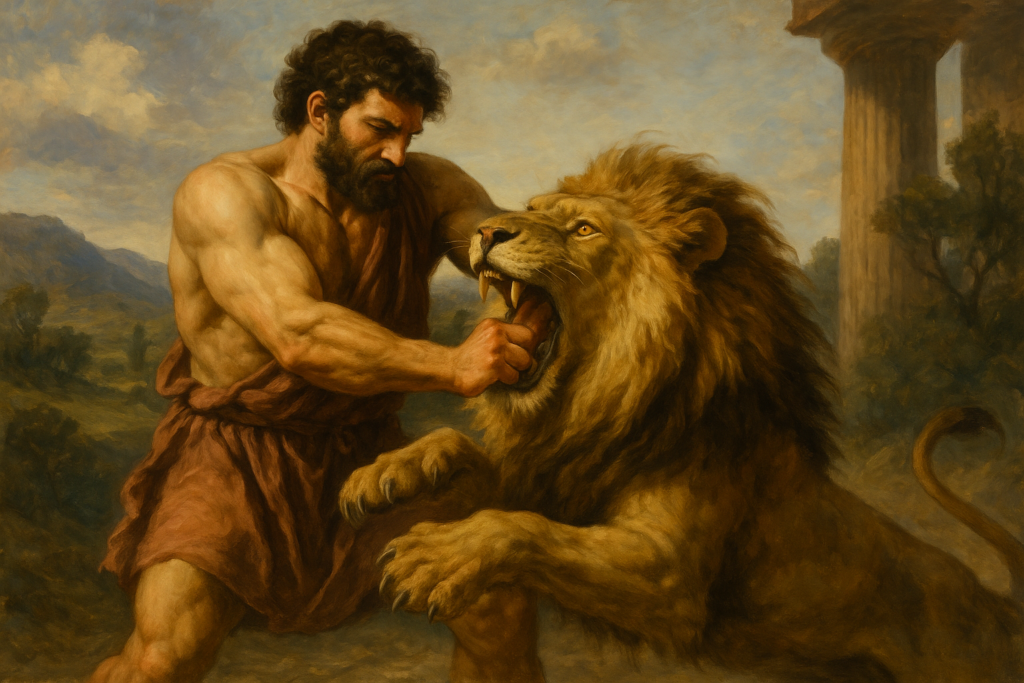
The initiation phase is often marked by significant trials that challenge the hero’s resolve. In “The Labors of Hercules,” Hercules must overcome nearly insurmountable obstacles, including defeating the Nemean Lion and capturing the Golden Hind. Each labor tests not only his physical strength but also his resolve, character, and willingness to lean into his fears.
These trials are allegorical, revealing deeper truths about the human condition. They often mirror internal conflicts that individuals face, such as fear, doubt, and temptation. The journey emphasizes self-discovery, as heroes realize their potential and redefine their identities. In this way, Greek mythology becomes a vehicle for exploring the complexities of human emotions and relationships.
As the hero undergoes trials, they gain allies and mentors who provide invaluable support. For example, in “The Odyssey,” Athena often assists Odysseus, serving as a symbol of wisdom and guidance. This aspect underscores the significance of community and mentorship in achieving personal growth. In ancient Greece, where communal life was paramount, the emphasis on cooperation reinforces the idea that strength is not solely an individual trait but a collective endeavor.
Return: The Elixir of Wisdom
The return phase of the Hero’s Journey is crucial, as it signifies the integration of the lessons learned through the trials. Upon returning home, the hero often comes back transformed, equipped with newfound wisdom. In “The Odyssey,” Odysseus returns to Ithaca, not only as a king but as a wiser man who has endured the hardships of the journey. He is better equipped to reclaim his household and restore order, symbolizing the importance of growth and renewal in society.
This stage reinforces the notion that the journey is cyclical. Each hero’s return ultimately contributes to the community, as their experiences and insights serve to benefit others. The stories encourage audiences to reflect on their journeys, recognizing that personal growth is deeply interconnected with the collective, highlighting a foundational aspect of Greek culture where the well-being of the community is paramount.
The Philosophical Underpinnings
At a deeper level, the Hero’s Journey in Greek storytelling presents philosophical themes, particularly the struggle between fate and free will. Characters often wrestle with their destinies, which are woven into the fabric of Greek cosmology. The concept of “areté,” or excellence, is central to many heroes’ journeys, embodying the ideals of virtue and moral integrity. This pursuit of excellence invites audiences to consider their own paths and the ethical dilemmas they may face.
Moreover, the transformative aspect of the Hero’s Journey aligns closely with the Greek understanding of tragedy and catharsis. Through the trials endured by the hero, audiences engage in a vicarious experience that elicits feelings of pity and fear, ultimately leading to a purging of emotions. This cathartic process not only entertains but also serves to instill moral lessons within the audience, reinforcing the societal values espoused by these ancient tales.
Cultural Resonance
The significance of the Hero’s Journey extends beyond the confines of ancient Greece; it continues to shape modern storytelling in literature, film, and beyond. The archetypes and themes found within Greek myths are echoed in contemporary narratives, from superhero films to fantasy novels. Our fascination with heroes stems from a collective desire to understand ourselves and our place in the world.
Moreover, the story of the hero speaks to the contemporary individual’s search for identity in an ever-complex world. In a society marked by rapid change and uncertainty, the Hero’s Journey offers a framework for personal development, emphasizing the importance of resilience and transformation in the face of adversity.
Conclusion
The Hero’s Journey holds a pivotal place in Greek stories, offering layers of meaning that resonate across time and culture. These narratives celebrate the quest for identity, the moral struggles faced by individuals, and the inextricable link between personal growth and community welfare. As we engage with these timeless tales, we are invited to reflect on our own journeys and the values we hold dear as we navigate the complexities of life. Ultimately, Greek mythology endures not just as a collection of stories but as a rich tapestry of human experience, with lessons that continue to guide and inspire us today.
Recommended reading
These are affiliate links. If you buy through them, we may earn a commission at no extra cost to you.
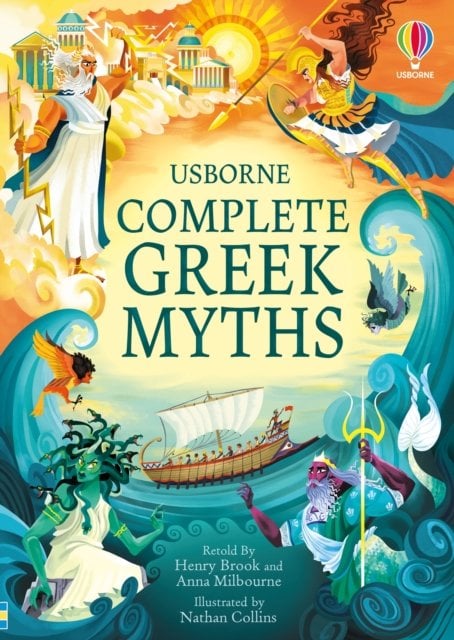
Complete Greek Myths: An Illustrated Book of Greek Myths
Featuring detailed retellings, beautiful character illustrations, and cultural background, this comprehensive volume brings the best-known and obscure Greek myths to life for readers of all ages. Complete with maps, a glossary, and a QR code for pronunciation guides and extra resources, it is an essential addition to any family bookshelf.
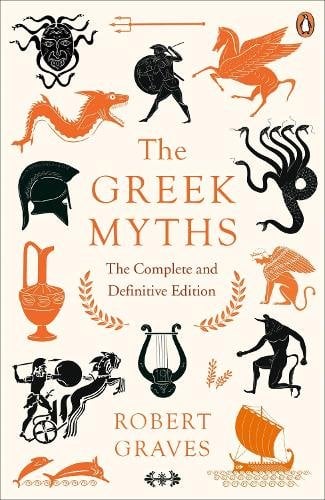
The Greek Myths: The Complete and Definitive Edition
Robert Graves’s definitive edition weaves the classic Greek myths, from the Labours of Hercules to the Trojan War, into one sweeping, authoritative narrative. Perfect for both first-time readers and classicists, this comprehensive volume combines engaging storytelling with detailed scholarly commentary and a complete index of names.
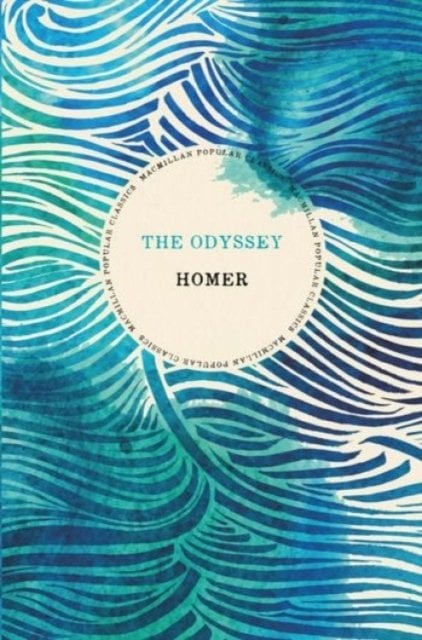
The Odyssey
Homer’s timeless epic The Odyssey follows the hero Odysseus on a perilous decade-long journey home from Troy, facing mythical monsters and divine wrath. Meanwhile, his wife Penelope and son Telemachus defend their kingdom against ruthless suitors in this classic tale of loyalty and endurance.