Panhellenic Myths: Stories Shared Across the Greek World
The rich tapestry of Greek mythology extends beyond mere stories; it is a profound cultural heritage that has interwoven itself into the lives of various city-states and communities throughout ancient Greece. In a world where geography often dictated cultural divisions, Panhellenic myths emerged as a thread connecting diverse Greek peoples. These tales not only conveyed moral and philosophical teachings but also provided a shared identity that transcended local customs and dialects.
The Origins of Myths in Ancient Greece
Myths served as a means of explaining the natural world, human behavior, and societal norms. They emerged from oral traditions, passed down through generations and evolving over time. Many of these myths can be traced back to the oral poetry of Homer and Hesiod, who were foundational figures in shaping Greek thought and storytelling. Their works—The Iliad, The Odyssey, and Theogony—not only narrate epic tales of gods and heroes but also contain philosophical and ethical reflections relevant to all Greeks.
In the ancient Greek world, the pantheon of gods was shared almost universally. Zeus, Hera, Athena, and Apollo appeared in the mythologies of city-states as paramount figures, embodying themes of power, justice, wisdom, and beauty. Each local community would embellish these stories to fit its unique cultural context, while still retaining core elements recognizable across the Greek world.
Common Threads in Panhellenic Myths
One of the most notable aspects of Panhellenic myths is their thematic consistency. The stories often revolve around the concepts of fate, hubris, and the nature of the divine. For example, the tale of Oedipus Rex, though famously enacted in Thebes, reverberated throughout the Greek world. Oedipus’s tragic recognition of his fate—despite efforts to escape it—elicited universal questions about free will and destiny, resonating with audiences far beyond Thebes itself.
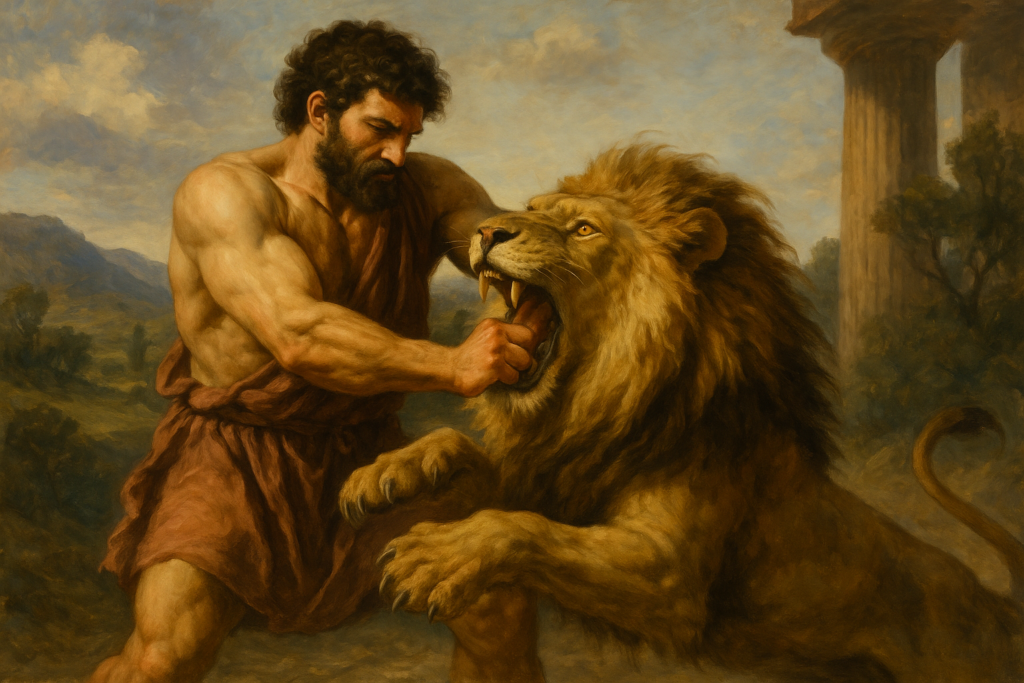
Similarly, tales revolving around Heracles are scattered throughout various Greek regions, each version detailing his legendary twelve labors. His epic trials reflect core Greek virtues such as strength, courage, and resilience—themes that appealed to many city-states united by admiration for heroic endeavors.
The Role of Panhellenic Sanctuaries
Panhellenic sanctuaries like Olympia, Delphi, and Nemea played a crucial role in promoting shared myths. These sites hosted festivals, sporting competitions, and oracle consultations, drawing participants from various regions. The Olympic Games, held in Olympia every four years, celebrated not only athletic prowess but also the myths that surrounded these gods. The games honored Zeus and were steeped in the shared culture of storytelling.
The Oracle of Delphi, connected to the god Apollo, served as a melting pot of myth and worship. Pilgrims traveled from distant city-states for prophecy and guidance, sharing their unique versions of myths while engaging in a common religious practice. This sharing contributed to a collective Greek identity, reinforcing connections among disparate societies.
The Influence of Tragedy and Comedy
The theatrical traditions in ancient Greece also played a significant role in disseminating Panhellenic myths. Playwrights like Aeschylus, Sophocles, and Euripides adapted popular myths into tragic narratives, while comedians like Aristophanes used mythological references for satire and social commentary. The tragic performances at festivals like City Dionysia highlighted common themes of human suffering and divine retribution, inviting audiences to reflect on the human condition.
Through these plays, characters such as Medea, Oedipus, and Agamemnon became archetypes representing struggles with morality, identity, and fate. The themes in these tragedies were pertinent across the Greek world, enabling audiences from different regions to engage with and reflect on shared experiences.
Myths of Origin and Heroism
Panhellenic myths often sought to explain not only the origins of the world but also the origins of Greek peoples. For example, the myth of Deucalion and Pyrrha, who survived a great flood and repopulated the earth, echoed in many forms across different regions. This motif offered a shared narrative of survival and rebirth, emphasizing resilience in the face of catastrophe.
Similarly, hero myths, such as those surrounding the Argonauts and the quest for the Golden Fleece, illustrate the importance of courage and loyalty. These adventures fostered a sense of communal identity, as various city-states could claim connections to the heroes through ancestral lineage or local shrines.
Modern Interpretation of Panhellenic Myths
In contemporary society, the influence of Panhellenic myths remains pervasive. Their themes, characters, and moral lessons continue to inspire literature, art, philosophy, and psychology. As scholars and artists explore these ancient narratives, the essence of shared Greek identity is revived. The dialogues between ancient texts and modern society provoke reflection on universal human experiences that persist through time.
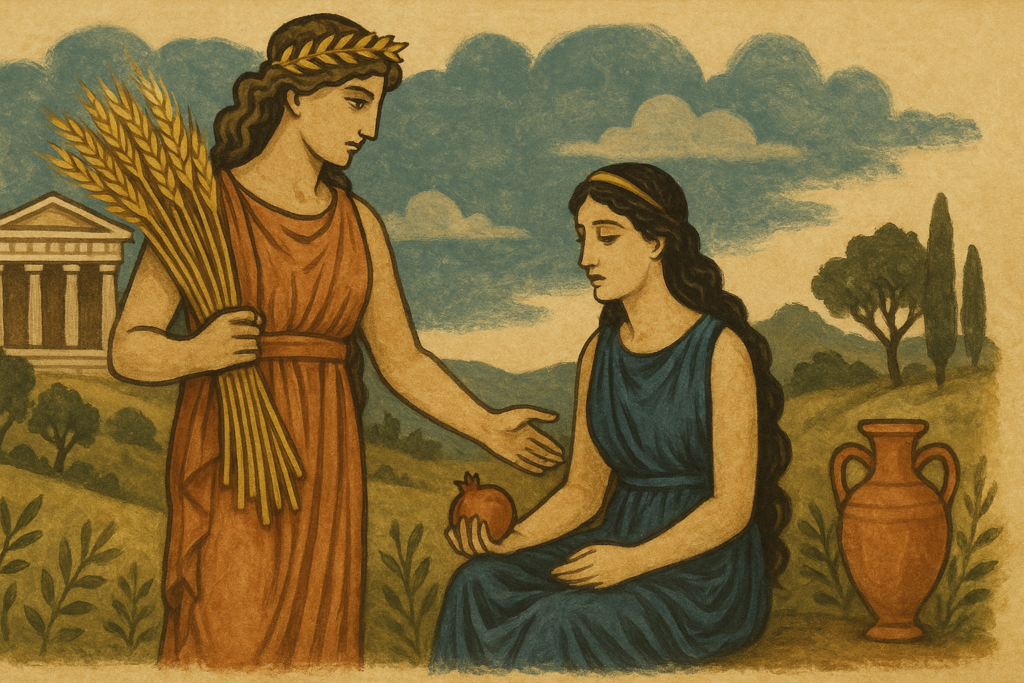
Institutions like the Hellenic Ministry of Culture engage in preserving these myths, encouraging modern Greeks and visitors alike to appreciate their historical significance. The enduring fascination with characters like Odysseus and Persephone speaks to the timeless nature of these tales.
Conclusion
Panhellenic myths are a testament to the interconnectedness of ancient Greek culture. By sharing stories that resonated across city-states, they cultivated a sense of collective identity and shared values among a diverse population. These narratives provided not only explanations for the world but also a means for introspection and community bonding.
Today, the echoes of these myths reverberate through modern storytelling and cultural expression, reminding us of humanity’s ongoing quest to understand itself and its place in the universe. As we delve into these narratives, we gain not only insight into ancient Greece but also a deeper understanding of our collective human heritage. Through the lens of Panhellenic myths, we can appreciate the stories that shape our shared humanity, reflecting the enduring power of narrative across time and space.
Recommended reading
These are affiliate links. If you buy through them, we may earn a commission at no extra cost to you.
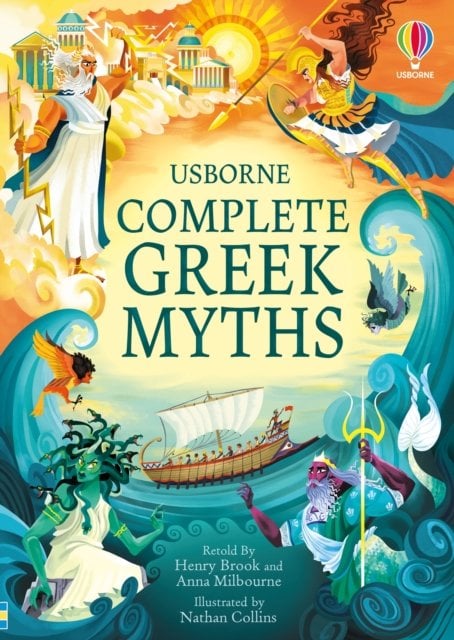
Complete Greek Myths: An Illustrated Book of Greek Myths
Featuring detailed retellings, beautiful character illustrations, and cultural background, this comprehensive volume brings the best-known and obscure Greek myths to life for readers of all ages. Complete with maps, a glossary, and a QR code for pronunciation guides and extra resources, it is an essential addition to any family bookshelf.
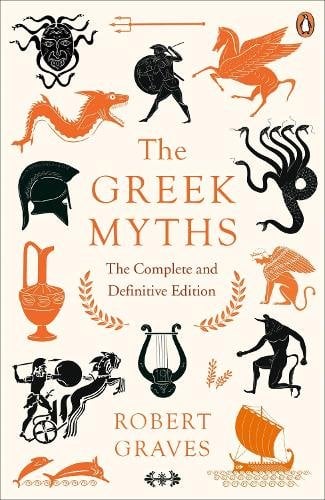
The Greek Myths: The Complete and Definitive Edition
Robert Graves’s definitive edition weaves the classic Greek myths, from the Labours of Hercules to the Trojan War, into one sweeping, authoritative narrative. Perfect for both first-time readers and classicists, this comprehensive volume combines engaging storytelling with detailed scholarly commentary and a complete index of names.
The Odyssey
Homer’s timeless epic The Odyssey follows the hero Odysseus on a perilous decade-long journey home from Troy, facing mythical monsters and divine wrath. Meanwhile, his wife Penelope and son Telemachus defend their kingdom against ruthless suitors in this classic tale of loyalty and endurance.