Norse vs. Greek Mythology: A Comparative Analysis
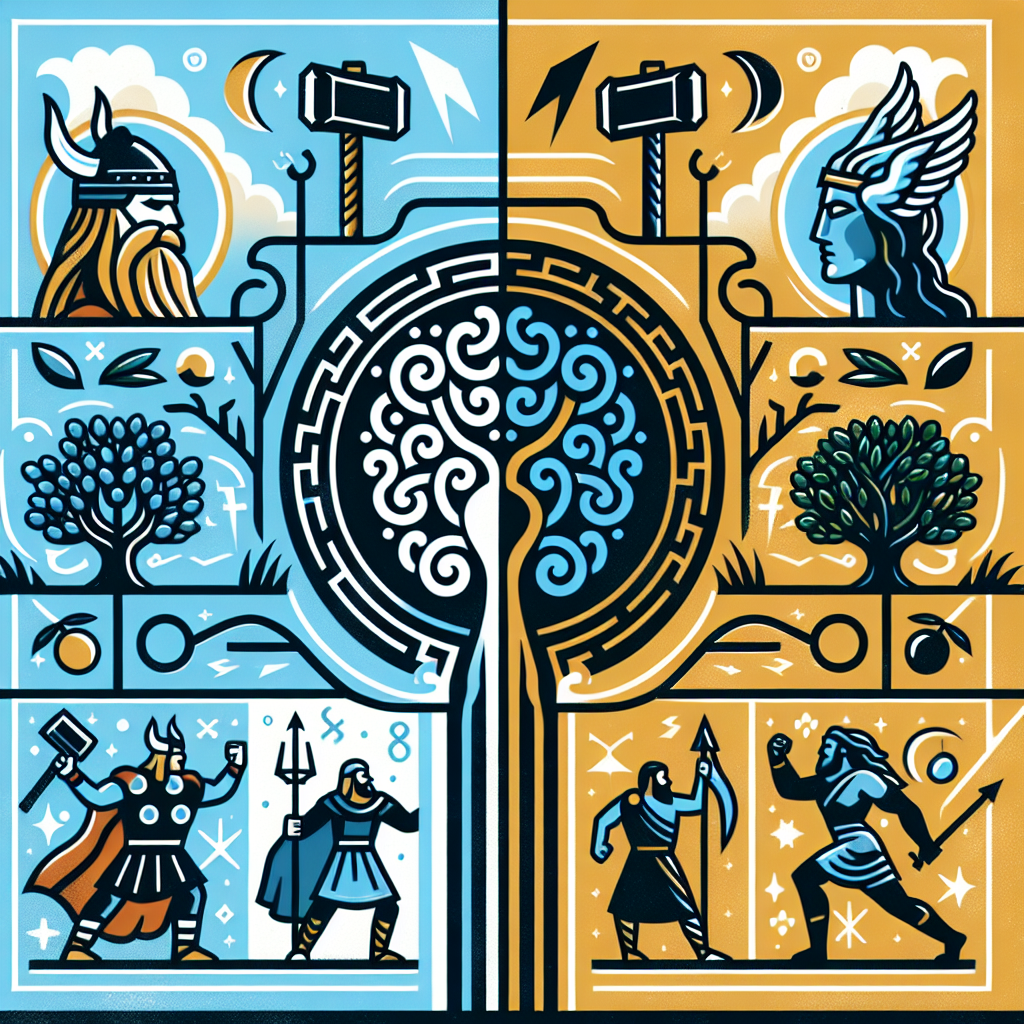
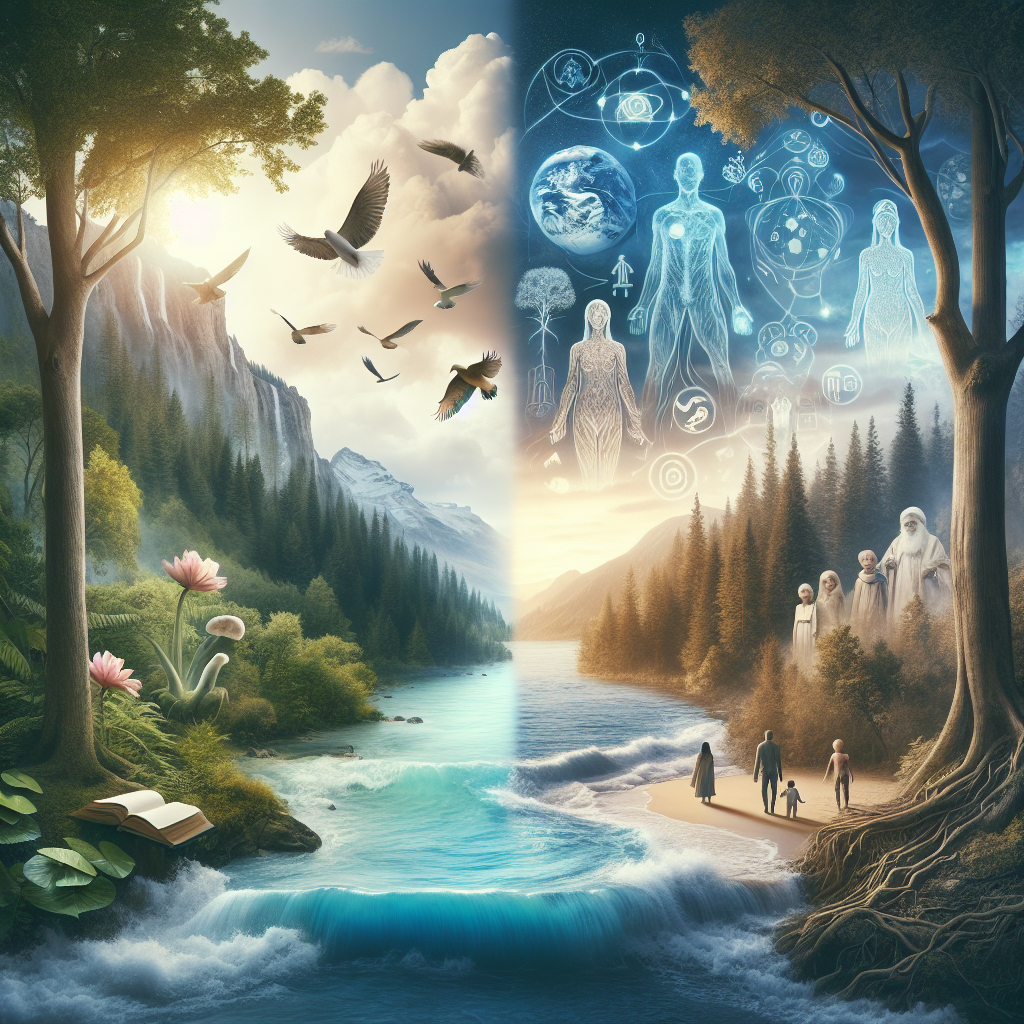
Mythology serves as a mirror reflecting the values, fears, and aspirations of the cultures from which it emerges. Two of the most influential mythological systems in Western literature and thought are Norse and Greek mythology. While both offer rich narratives and complex deities, they diverge significantly in their themes, cosmologies, and the roles their gods and heroes play in the lives of mortals.
Origins and Context
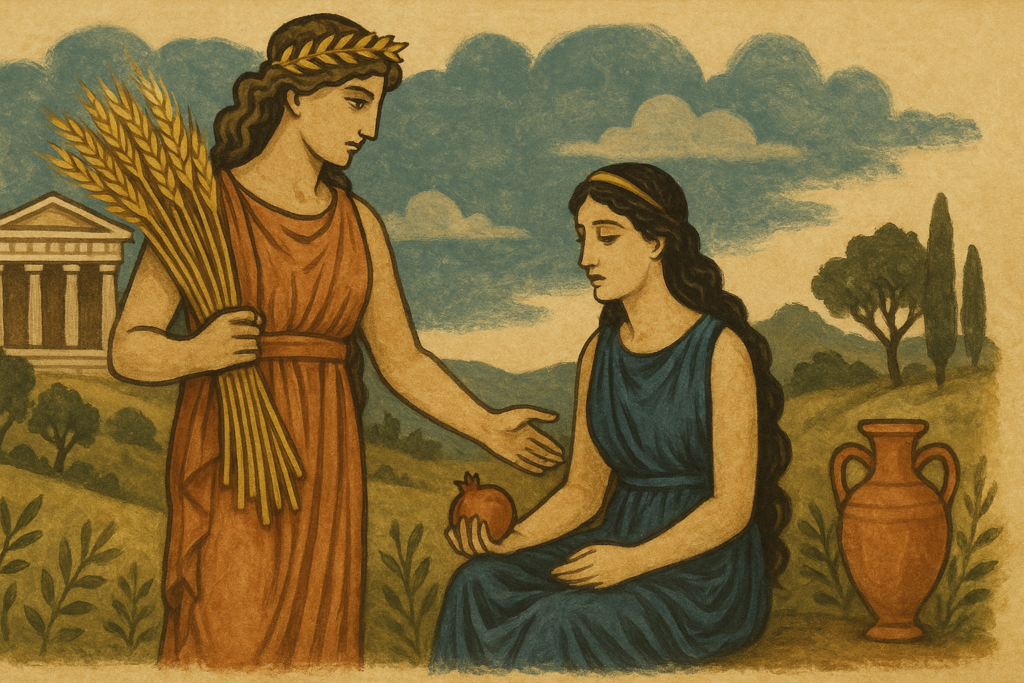
Greek mythology originated in ancient Greece, flourishing particularly from the 8th century BCE to the 4th century BCE, coinciding with the rise of city-states and the birth of democracy. The Greeks believed their gods were anthropomorphic, reflecting human traits—both virtues and vices. This mythology was central to their social and political life, fostering a sense of community and cultural identity.
Norse mythology, on the other hand, emerged from the Scandinavian region, with its roots tracing back to the Viking Age (circa 793 to 1066 CE). The Norse gods are portrayed as both powerful and flawed, embodying traits that reflect the harsh environments and existential challenges of the North. The Norse believed in a more deterministic cosmos, where fate was often inescapable, adding a layer of ominous gravity to their tales.
Cosmology: Structure of the Universe
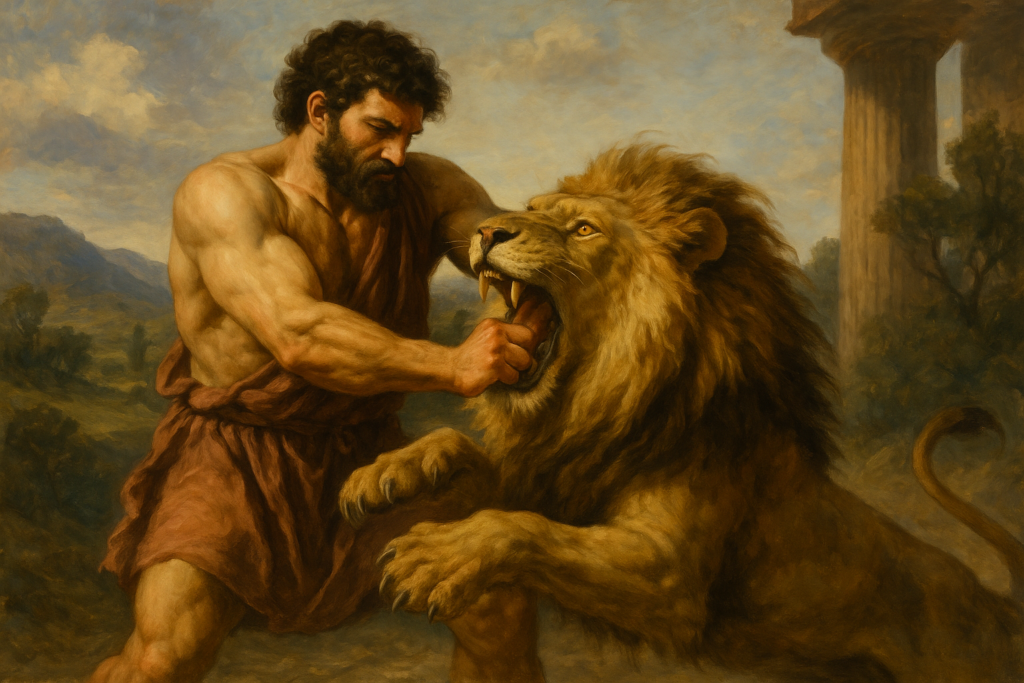
In Greek mythology, the cosmos is often described as a well-ordered hierarchy. At the top sits Zeus, the king of the gods, who represents order and justice. Below him are the lesser gods, goddesses, and demigods, including Athena, Apollo, and Hercules. The Greeks divided the universe into realms: Olympus for the gods, the Underworld for the dead, and Earth for mortals. This orderly structure emphasizes the Greek ideals of balance and harmony.
Conversely, Norse cosmology features a more chaotic arrangement. The universe is composed of nine realms, including Asgard (for the Aesir gods), Midgard (Earth for humans), and Hel (the realm of the dead). Central to this cosmology is Yggdrasil, the World Tree, which connects all realms. Unlike the Greeks, the Norse believed in a cyclical nature of time, culminating in Ragnarok, the end of the world, followed by rebirth. This cyclical worldview reflects the harsh realities of life in the Nordic climate, where survival was often uncertain.
The Nature of the Gods
Greek gods are multifaceted, exhibiting a range of emotions and behaviors that often mirror human experiences. Zeus, while a protector of justice, is also known for his numerous affairs. The gods intervene in human affairs, providing assistance or punishment, depending on their whims. They exemplify the idea of individualism, embodying virtues like heroism, wisdom, and beauty.
In contrast, Norse gods, such as Odin, Thor, and Loki, are often depicted in more ambiguous light. Odin, the all-father, is wise but often sacrifices parts of himself for knowledge; Thor, the god of thunder, is protective yet prone to anger; and Loki, a trickster, embodies chaos. The Norse pantheon reflects the duality of existence—the balance between order and chaos, life and death. Unlike the Greeks, whose gods interact capriciously with humanity, the Norse deities are more accepting of human limitations and the inevitable nature of fate.
Heroic Ideals
The heroes of Greek mythology typically exemplify ideals like courage, honor, and personal excellence. Figures such as Achilles and Odysseus endure monumental challenges and display extraordinary abilities, often achieving glory (kleos) that secures their immortality in human memory. The Greek view encourages individuals to strive for perfection and to carve out a legacy.
Norse heroes, such as Beowulf and Sigurd, are also courageous but operate within a more fatalistic framework. Their quests often lead to death, and their glory is intertwined with an acceptance of fate (wyrd). The emphasis is not on immortality but on the courage to face inevitable doom with honor—a reflection of the Norse worldview that life is fleeting and predestined.
Themes of Mortality and Fate
Mortality plays a considerably different role in both mythologies. Greek myths often touch on the themes of hubris: those who defy the gods face dire consequences. Mortality is regarded as a part of life; one can achieve a form of immortality through legacy. The Greeks valorize human triumph over adversity but also recognize that the gods are ultimately in control.
Norse mythology presents a more complex relationship with mortality. The idea of Ragnarok symbolizes an unavoidable end, yet it is portrayed as a necessary cycle that allows for rebirth. The focus is less on individual legacy and more on collective fate. In Norse tales, the heroes are accorded honor for their bravery in facing their doom, with little expectation of a lasting legacy outside of the stories that survive them.
Cultural Influence and Legacy
Both mythologies have left indelible marks on modern culture, art, and literature. Greek mythology influences countless works, from Shakespeare to modern films, establishing archetypes that resonate across time. Its themes of heroism and the human condition continue to inspire.
Norse mythology saw a resurgence in the 20th and 21st centuries, illustrated by its integration into popular culture through literature, movies, and games (e.g., Marvel comics). The richness of Norse narrative forms a fertile ground for exploring issues of fate, morality, and the human spirit’s resilience in the face of chaos.
Conclusion
In summary, Norse and Greek mythologies, while both filled with captivating tales and complex characters, present contrasting worldviews. Greek mythology celebrates individual achievement amidst the intervention of capricious gods; Norse mythology embraces a more communal approach to fate and mortality, portraying a universe where the struggle against chaos defines the human experience. Each serves as a profound reflection of the cultural context from which it sprang, providing timeless insights into the essence of humanity. As we continue to engage with these myths, they remind us of our shared search for meaning in the often chaotic tapestry of life.
Recommended reading
These are affiliate links. If you buy through them, we may earn a commission at no extra cost to you.
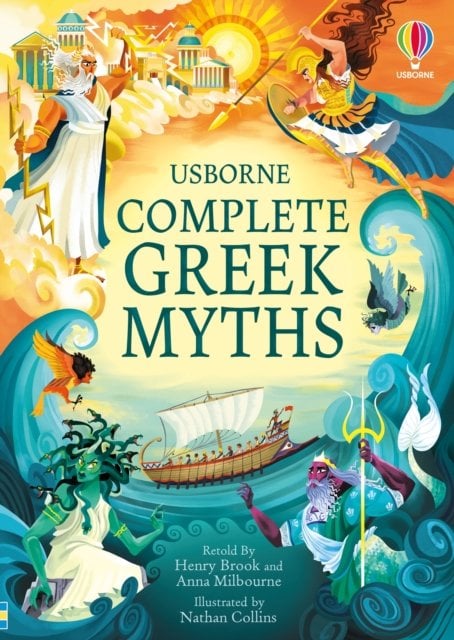
Complete Greek Myths: An Illustrated Book of Greek Myths
Featuring detailed retellings, beautiful character illustrations, and cultural background, this comprehensive volume brings the best-known and obscure Greek myths to life for readers of all ages. Complete with maps, a glossary, and a QR code for pronunciation guides and extra resources, it is an essential addition to any family bookshelf.
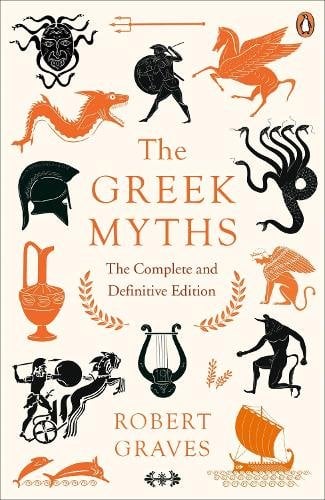
The Greek Myths: The Complete and Definitive Edition
Robert Graves’s definitive edition weaves the classic Greek myths, from the Labours of Hercules to the Trojan War, into one sweeping, authoritative narrative. Perfect for both first-time readers and classicists, this comprehensive volume combines engaging storytelling with detailed scholarly commentary and a complete index of names.
The Odyssey
Homer’s timeless epic The Odyssey follows the hero Odysseus on a perilous decade-long journey home from Troy, facing mythical monsters and divine wrath. Meanwhile, his wife Penelope and son Telemachus defend their kingdom against ruthless suitors in this classic tale of loyalty and endurance.