The Legacy of Greek Mythology in Today’s Pop Culture

The Legacy of Greek Mythology in Today’s Pop Culture
Greek mythology, with its plethora of gods, goddesses, heroes, and narratives, has left an indelible mark on contemporary culture, often in ways that are unnoticed by the average individual. From literature and film to fashion and video games, the influence of these ancient tales is pervasive, shaping our understanding of storytelling, moral lessons, and even personal identity. In exploring the legacy of Greek mythology, we reveal its multifaceted impact on today’s pop culture.
The Fundamentals: Greek Mythology Explained
Greek mythology comprises a rich tapestry of stories and characters, which were integral to the ancient Greeks’ understanding of the world around them. The pantheon of gods—Zeus, Hera, Poseidon, Athena, and others—symbolized various human traits and natural phenomena, illustrating the complexities of life and the human condition. The epics of Homer, notably the “Iliad” and the “Odyssey,” served as foundational texts that reflected cultural values and societal norms.
Reinterpretations in Literature
A major channel through which Greek mythology has permeated modern literature is in the retelling and reinterpretation of age-old stories. Authors like Madeline Miller, with her acclaimed novel “Circe,” have brought ancient figures into contemporary discourse. Miller’s work not only updates the language of the myths but offers fresh perspectives on well-known characters, embodying themes of feminism, identity, and resilience. Such retellings invite new generations to engage with these stories, often bridging gaps between classical literature and modern sensibilities.
Moreover, Rick Riordan’s “Percy Jackson & The Olympians” series introduces Greek mythology to younger audiences in an accessible and engaging manner. This series features a hero who discovers that he is a demigod, leading readers on adventures woven through modern settings. The combination of ancient myth with relatable teenage drama captivates a diverse audience and has spurred numerous adaptations, including films and a Disney+ series.
Film and Television: Heroes in Modern Context
The cinematic exploration of Greek mythology is vast, showcasing both faithful adaptations and creative reinterpretations. Movies such as “Clash of the Titans” and “300” utilize mythological themes and characters, albeit sometimes in an exaggerated fashion. While some adaptations take liberties, they often highlight the timelessness of these narratives, focusing on themes such as bravery, betrayal, and the struggle for power.
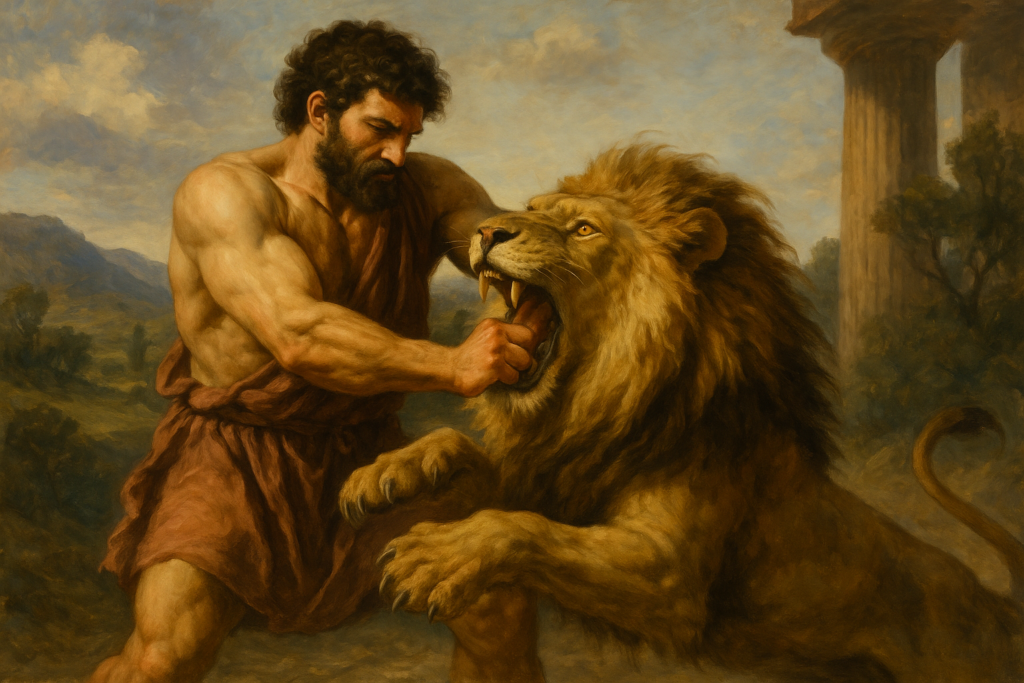
Television, too, has embraced Greek mythology with series like “Hercules: The Legendary Journeys” and “Xena: Warrior Princess,” which have created cult followings. These shows not only entertain but also serve as gateways into understanding ancient mythological themes—heroism, love, and moral dilemmas—demonstrating the enduring relevance of these stories. The recent success of shows like “Blood of Zeus” on Netflix further emphasizes the continued interest in mythological narratives, providing audiences with thrilling reinterpretations of classic tales.
Video Games: Interactive Myths
The gaming industry has also integrated Greek mythology, allowing players to engage with these stories in a unique, interactive way. Games like “God of War” and “Assassin’s Creed: Odyssey” invite players to navigate ancient landscapes populated by gods and monsters. In “God of War,” players not only battle through mythological realms but also delve into themes of fatherhood, grief, and redemption, aligning personal stories with the grand scope of mythology.
The appeal of these games lies in their ability to allow players to embody mythological heroes, confronting challenges based on ancient narratives while making choices that shape the game’s outcome. This interaction fosters a deeper connection to the myths than passive consumption alone.
Fashion and Aesthetics
Beyond storytelling, Greek mythology has significantly influenced fashion and visual arts. Designers frequently reference mythology in their collections, infusing elements inspired by ancient Greek attire, such as draped fabrics and elaborate accessories that echo the elegance of gods and goddesses. Brands often utilize mythological motifs to convey strength, beauty, or even mystery, leveraging the cultural cachet that comes with these ancient symbols.
Moreover, the aesthetic of Greek mythology—the grandeur of temples, the artistry of sculptures, and the vibrant representations of gods and heroes—continues to inspire artists and creators. This influence can be seen in everything from contemporary visual arts to home decor, manifesting a dialogue between the ancient and modern aesthetics.
Themes of Identity and Exploration
Central themes of Greek mythology—identity, fate, and moral exploration—resonate deeply within contemporary culture. Discussions about the human experience, choice, and consequence are as relevant today as they were in ancient Greece. The idea of heroes facing insurmountable odds continues to inspire storytelling across various media, prompting audiences to reflect on their own challenges and aspirations.
Additionally, the notion of the “hero’s journey,” as articulated by Joseph Campbell, finds its roots in these ancient myths. The archetype has shaped narratives throughout literature and film, providing a template for character development that remains pertinent in modern storytelling.
Modern Psychological Interpretations
Psychologists and scholars have also drawn upon Greek mythology to explain modern human behavior and societal constructs. Concepts such as the “Oedipus Complex,” inspired by the story of Oedipus Rex, have permeated psychological theories, demonstrating how these ancient narratives can illuminate modern human experiences. Furthermore, figures like Narcissus inform contemporary discussions about self-obsession and social media culture.
Conclusion: A Timeless Influence
The legacy of Greek mythology in today’s pop culture is undeniable. Its stories, characters, and themes continue to resonate across various forms of media, influencing how we perceive heroism, morality, and the human experience. As we navigate a complex world, these ancient tales offer both reflection and escape, highlighting the timeless nature of storytelling. Greek mythology is not simply a relic of the past but a living tradition that continues to inspire, provoke thought, and shape the cultural landscape in profoundly vital ways. As long as humanity seeks to understand itself and its place in the universe, the echoes of Greek mythology will undoubtedly remain a powerful force in our cultural narrative.
Recommended reading
These are affiliate links. If you buy through them, we may earn a commission at no extra cost to you.
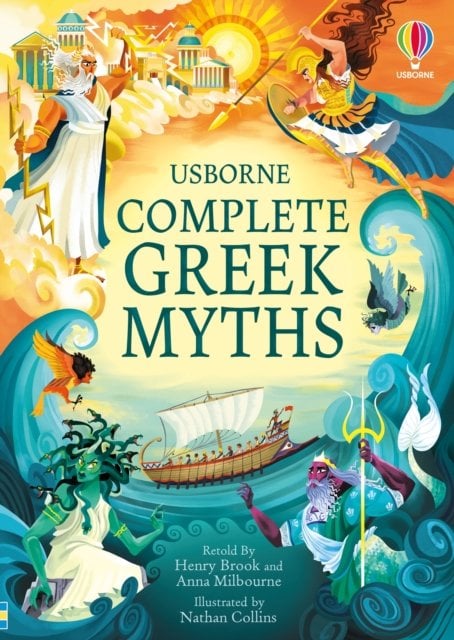
Complete Greek Myths: An Illustrated Book of Greek Myths
Featuring detailed retellings, beautiful character illustrations, and cultural background, this comprehensive volume brings the best-known and obscure Greek myths to life for readers of all ages. Complete with maps, a glossary, and a QR code for pronunciation guides and extra resources, it is an essential addition to any family bookshelf.
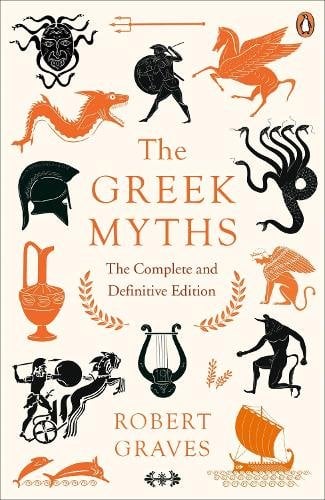
The Greek Myths: The Complete and Definitive Edition
Robert Graves’s definitive edition weaves the classic Greek myths, from the Labours of Hercules to the Trojan War, into one sweeping, authoritative narrative. Perfect for both first-time readers and classicists, this comprehensive volume combines engaging storytelling with detailed scholarly commentary and a complete index of names.
The Odyssey
Homer’s timeless epic The Odyssey follows the hero Odysseus on a perilous decade-long journey home from Troy, facing mythical monsters and divine wrath. Meanwhile, his wife Penelope and son Telemachus defend their kingdom against ruthless suitors in this classic tale of loyalty and endurance.